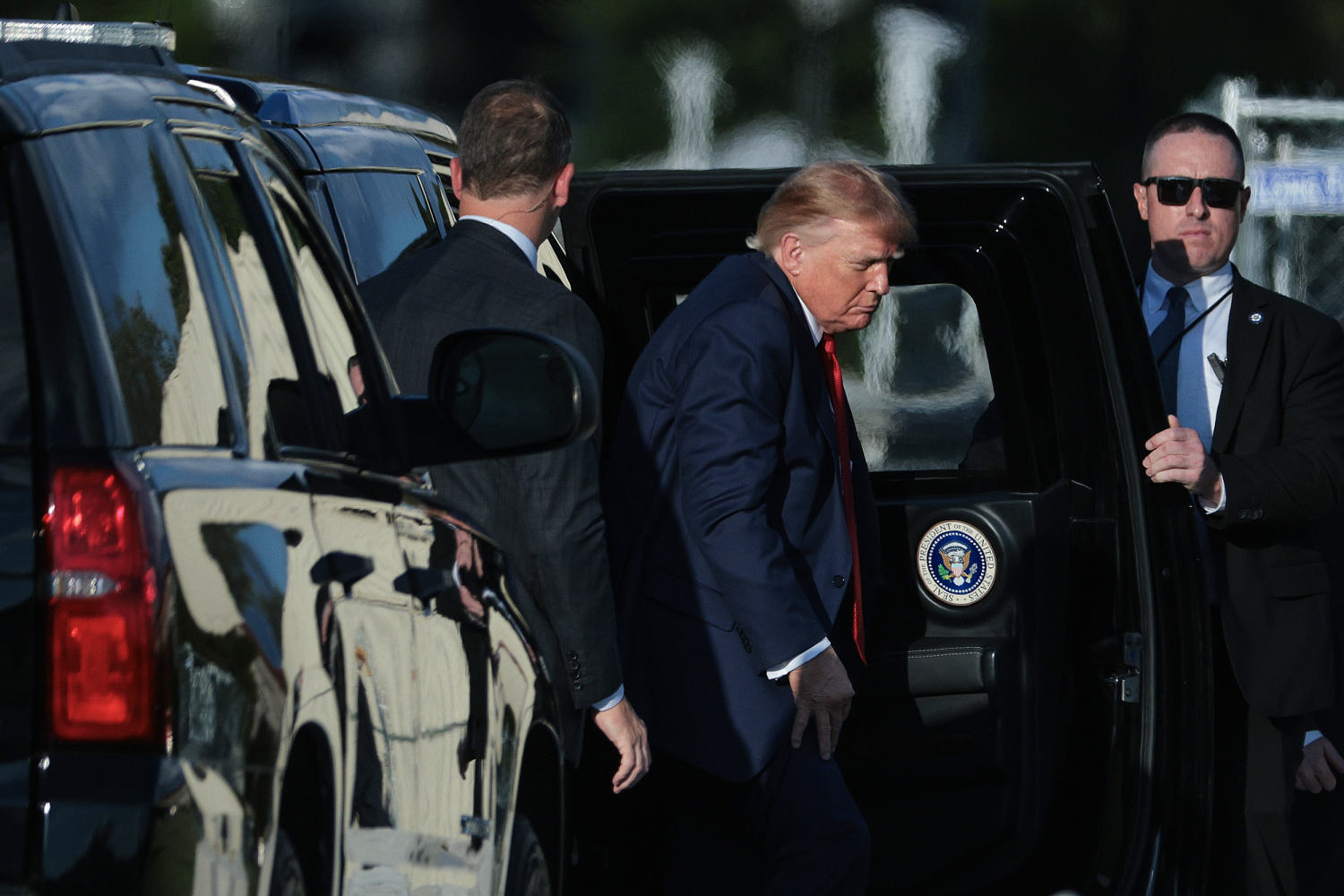
When Donald Trump took the podium at the United Nations General Assembly, the disconnect between grand rhetoric and grinding attrition was impossible to ignore. The war with Iran had dragged on for months, transforming from initial airstrikes into a prolonged economic and military stalemate that rattled global markets. Trump framed his aggressive posture as decisive action, declaring that he refused to let problems fester. Yet beneath the theater of international diplomacy, diplomats and military analysts understood a darker truth. The conflict had entered a dangerous holding pattern, characterized by closed shipping lanes, broken ceasefires, and an intractable nuclear standoff that defied easy solutions.
The drums of war did not start overnight. They echoed across capitals for years through escalating sanctions, proxy conflicts, and cyber sabotage before boiling over into direct military engagement. When the United States and Israel launched coordinated operations against Iranian infrastructure, Washington promised a swift degradation of the regime's military capabilities. Defense officials pointed to the destruction of substantial portions of Iran's industrial base as proof of success.
However, destruction does not equal capitulation. Tehran absorbed the blows and responded with asymmetric tactics, weaponizing geography to choke off vital energy corridors.
The Mechanics of Escalation
Military planners often underestimate how resilient authoritarian states can be under direct assault. Sanctions historically designed to cripple economies instead forced the Iranian government to adapt, rationing resources and tightening internal security. The closure of the Strait of Hormuz acted as a choke point for the entire global economy, sending shockwaves through energy markets.
Oil prices fluctuated wildly, punishing consumers thousands of miles away from the theater of operations. European capitals watched with growing alarm as energy supplies dwindled and inflation spiked. Washington insisted that economic pressure would eventually force Tehran back to the negotiating table on American terms. That calculation ignored historical precedent. Iran had lived under various forms of international isolation for decades, building a domestic resistance economy designed to withstand external shocks.
To expect a sudden regime collapse purely through aerial bombardment and financial embargoes displayed a fundamental misreading of Iranian internal politics. Hardliners consolidated power behind the banner of national defense, silencing moderate voices who advocated for compromise. Every bomb dropped reinforced the narrative that the outside world sought total subjugation, uniting a fractured populace against a common external enemy.
Breaking Down the Military Campaign
Operation Epic Fury was billed as a decisive masterstroke designed to neutralize the threat once and for all. Massive sorties targeted command nodes, missile silos, and naval assets across the region.
Yet air power alone cannot seize territory or compel political surrender without an occupying force, an option entirely off the table for Washington.
Instead, the campaign settled into a rhythm of mutual attrition. Iran launched waves of drones and ballistic missiles targeting regional adversaries and allied assets, testing the limits of multi-layered air defense systems. Batteries of interceptors were expended at an unsustainable financial rate, highlighting a widening gap between the cost of offense and defense. A single low-cost drone required a multi-million-dollar missile to neutralize. Military analysts warned that prolonged engagement risked depleting strategic stockpiles faster than domestic defense contractors could replenish them.
The Economic Toll on Global Trade
Financial markets despise uncertainty above all else. The protracted nature of the conflict created an environment where long-term investment ground to a halt in vulnerable regions. Shipping companies rerouted vessels around the African cape, adding weeks to transit times and inflating freight costs exponentially. Developing nations bore the brunt of the crisis, absorbing soaring fuel and food prices driven by supply chain bottlenecks.
Governments from Tokyo to London pressured Washington to find a diplomatic off-ramp, fearing a cascading global recession. American officials argued that security sacrifices were necessary to prevent a nuclear-armed adversary from dominating the Middle East. Yet the economic collateral damage extended far beyond the immediate combat zone.
Global trade networks, already strained by previous geopolitical shocks, fractured further into regional blocs. Nations scrambled to secure bilateral energy deals outside traditional Western-dominated frameworks, accelerating the fragmentation of international monetary systems. Multilateral institutions like the United Nations found themselves sidelined, reduced to bickering forums where powerful states talked past one another while conflicts raged unchecked.
Diplomatic Posturing Versus Ground Realities
Public diplomacy rarely matches private desperation. While speeches at the General Assembly focused on strength and deterrence, backchannel talks unfolded away from the cameras. Envoys shuttled between European and Middle Eastern capitals attempting to bridge an unbridgeable chasm. Washington demanded total cessation of uranium enrichment and dismantling of proxy networks before any sanctions relief could occur. Tehran countered with rigid preconditions, demanding formal ceasefires and unhindered access to global financial markets before discussing its nuclear inventory.
Neither side could afford to back down without losing face domestically. Trump faced political pressures at home, needing to project unwavering toughness ahead of critical electoral cycles. Iranian leadership faced an existential threat, believing that any sign of weakness would invite further aggression. This mutual intransigence ensured that diplomatic initiatives sputtered and died almost as soon as they launched.
Mediators from neutral nations offered compromise frameworks, proposing phased de-escalation steps that would gradually lift economic restrictions in exchange for verified nuclear rollbacks. Both Washington and Tehran rejected these proposals as insufficient, locking themselves into a zero-sum game where compromise equated to defeat.
The Standoff Over Nuclear Enrichment
At the absolute center of the crisis lies the nuclear question. The international atomic energy watchdog repeatedly flagged Iran's refusal to grant full inspector access to key facilities following earlier strikes. Washington asserted that the nuclear infrastructure was largely dismantled, yet intelligence assessments suggested that core technical knowledge and hidden stockpiles remained intact underground.
Iran vowed that not a single particle of enriched material would leave the country, transforming the nuclear file into a sacred symbol of national sovereignty. The prospect of military strikes permanently eliminating a hardened, decentralized nuclear program remains a formidable tactical challenge. Centrifuges can be rebuilt deeper underground beneath mountain ranges, impervious to conventional ordnance.
The standoff has thus evolved into a war of endurance over time itself. The administration decided on a middle path of no new large-scale combat, no formal talks, and no lasting peace, accepting a frozen conflict as the least worst option.
As autumn weather settled over New York and world leaders packed their bags to depart turtle bay, the underlying reality remained unaltered. Words delivered from podiums could not wish away the smoldering ruins of regional stability, nor could threats of annihilation bridge the fundamental distrust separating two hostile nations locked in a perpetual dance of brinkmanship. For a primary-source record of how these arguments were framed before the international community, Full Trump Address to the United Nations General Assembly captures the complete remarks delivered during the summit.