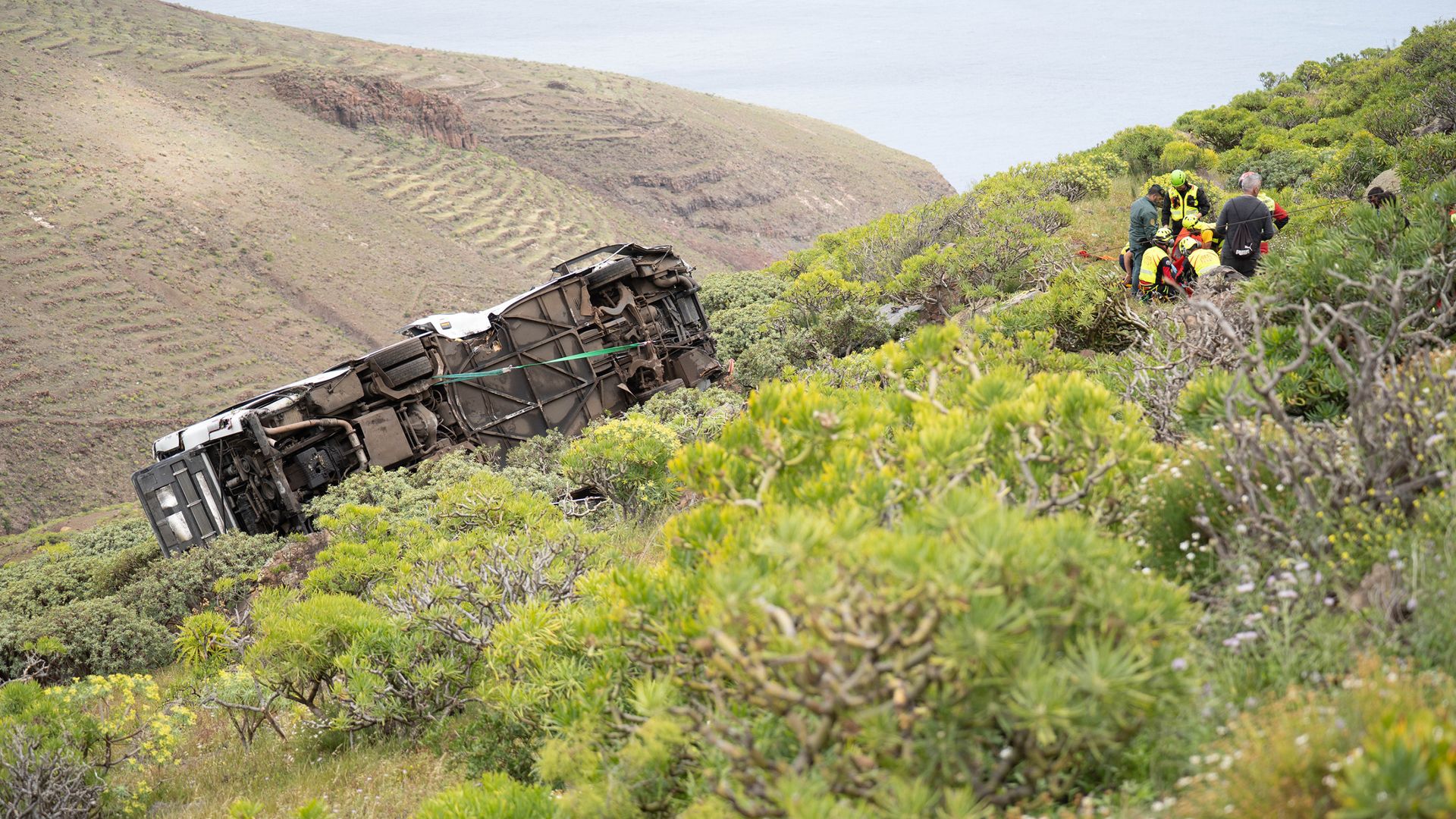
A single fatality and dozens of injuries following a British tour bus crash on a continental highway is more than a tragic headline. It is a recurring failure of a transit system that prioritizes thin margins and grueling schedules over the lives of its passengers. While early reports focus on the immediate chaos of the wreckage, the real story lies in the cockpit of the vehicle and the boardroom of the carrier.
Most travelers board these long-haul coaches under the impression that they are entering a regulated sanctuary. They see a professional driver, a clean interior, and a reputable brand name on the side of the bus. This is a mirage. Behind the scenes, the industry is grappling with a shortage of qualified labor, aging fleets, and a regulatory environment that often treats fatigue management as a suggestion rather than a hard rule.
The physics of a coach accident are unforgiving. When forty tons of steel and glass lose control at eighty kilometers per hour, the results are rarely minor. Unlike aviation, where every "near miss" is dissected by international bodies, the coach industry operates in a fragmented reality of local police reports and insurance settlements that rarely address the systemic rot.
The Fatigue Factory
The most dangerous component of any long-distance bus journey isn't the engine or the tires. It is the person behind the wheel. We are currently seeing an unprecedented drain on experienced drivers. The veteran operators who knew every curve of the Alps or the Ardennes have retired, replaced by a revolving door of less experienced staff pushed to the limits of legal driving hours.
European Union regulations are quite clear on paper. Drivers must take a 45-minute break after 4.5 hours of driving. Daily rest must be at least 11 hours. However, the pressure to maintain "on-time" status in the face of unpredictable border crossings and urban congestion creates a culture of corner-cutting. When a coach carrying UK tourists veers off a clear road in broad daylight, the investigation shouldn't just look for mechanical failure. It needs to examine the driver’s logbooks for the preceding fourteen days.
Fatigue does not manifest as a sudden blackout. It begins as a micro-sleep—a momentary lapse of consciousness lasting only a few seconds. At highway speeds, those seconds represent the difference between staying in the lane and a catastrophic roll-over.
The False Security of Modern Fleets
Manufacturers often brag about electronic stability control and emergency braking systems. These tools are helpful, but they cannot overcome the laws of inertia when a high-center-of-gravity vehicle hits a soft shoulder. Furthermore, many budget-tier operators buy these vehicles second or third-hand. A bus might look modern because of a fresh coat of paint and some new seat covers, but the structural integrity of the roof pillars—the "roll cage" of the bus—may have been compromised by years of vibration and poor maintenance.
Safety glass is another area where reality falls short of the marketing. In a rollover, side windows often shatter instantly, leaving nothing to keep passengers inside the vehicle. Ejection is the primary cause of death in these incidents. If you aren't wearing a seatbelt on a bus, you are essentially a loose object in a washing machine of jagged metal.
The Seatbelt Problem
The statistics are grim. In the event of a major coach crash, passengers wearing seatbelts have a survival rate nearly five times higher than those who don't. Yet, compliance on long-distance tours remains embarrassingly low. Tourists treat the bus like a living room. They stand up to get bags, they lean across aisles to talk to friends, and they sleep unbuckled.
The industry knows this. But tour operators are hesitant to enforce strict "belt-up" policies because it ruins the "carefree" atmosphere they are selling. It is a deadly trade-off. A tour guide who doesn't insist on belts before the engine starts is a liability, not a host.
The Hidden Economics of the Crash
Insurance companies view these tragedies as "actuarial events." They calculate the cost of a human life against the cost of implementing better safety tech across a fleet. For many mid-sized operators, it is cheaper to pay the occasional settlement than to invest in the latest driver-monitoring AI or to hire a second driver for every leg of the journey.
When we see a bus carrying British tourists crash abroad, we are seeing the end result of a "race to the bottom" in pricing. Consumers want the lowest possible fare to Paris, Amsterdam, or Berlin. To hit those price points, operators have to squeeze their biggest expenses: fuel, maintenance, and labor.
- Fuel: Drivers are encouraged to maintain speeds that maximize efficiency, often leading to frustration and risky overtaking maneuvers.
- Maintenance: Non-essential repairs are deferred.
- Labor: Wages are kept low, ensuring that only those with few other options take the job.
This economic pressure creates a "thin-margin" safety culture. It works 99% of the time. But that remaining 1% results in the scenes we saw this week: helicopters on highways, distraught families at airports, and a mounting body count that the industry treats as the cost of doing business.
Why the UK is Uniquely Vulnerable
British tourists are particularly at risk because of the sheer volume of cross-border coach travel originating from the UK. The journey usually begins with a long slog to the coast, a ferry or tunnel crossing, and then a grueling drive across the continent. This introduces a "cumulative fatigue" factor. The driver is dealing with a change in driving side, different road signs, and often, worsening weather conditions as they move inland.
The UK’s own safety standards are relatively high, but once that bus crosses the channel, it enters a patchwork of enforcement. Some countries are rigorous; others are notoriously lax, viewing tour buses as a vital source of tourism revenue that shouldn't be bothered with "excessive" roadside inspections.
The Investigative Checklist
If you are looking at the aftermath of a coach disaster, stop looking at the twisted metal and start looking at the following three factors:
- The Route History: Was this the driver's first time on this specific stretch of road? Local knowledge is the best defense against environmental hazards.
- The Sub-Contracting Chain: Did the company you booked with actually own the bus? Large travel brands often sub-contract to smaller, less-regulated "white label" operators to handle overflow.
- The Impact Speed: Modern tachographs record everything. If the bus was doing 100km/h in a 80km/h zone, the "accident" was actually a predictable outcome of negligence.
We need to stop calling these events "accidents." An accident is an unpredictable act of god. A bus hitting a barrier because a tired driver blinked is a failure of management and a failure of oversight.
A Systemic Change
The solution isn't more brochures or "awareness" campaigns. It is the mandatory installation of driver-facing cameras that use eye-tracking software to detect drowsiness in real-time. These systems exist. They work. They are also expensive and unpopular with drivers who feel "watched."
But the privacy of a driver is not more important than the lives of fifty people sitting behind them. Until we move toward a model where every coach is monitored as closely as a commercial airliner, we will continue to see these tragedies.
The next time you book a tour, don't look at the legroom or the Wi-Fi. Ask about the driver rotation policy. Ask if the fleet uses active fatigue monitoring. If the agent can't answer, or brushes the question off, you aren't a passenger; you are a gamble.
Every time a coach goes off the road, the industry offers "thoughts and prayers" while quietly checking their liability limits. The passengers who didn't make it home deserve better than a boilerplate press release. They deserve an industry that values their arrival more than the efficiency of the transit.
Demand the data, or take the train.