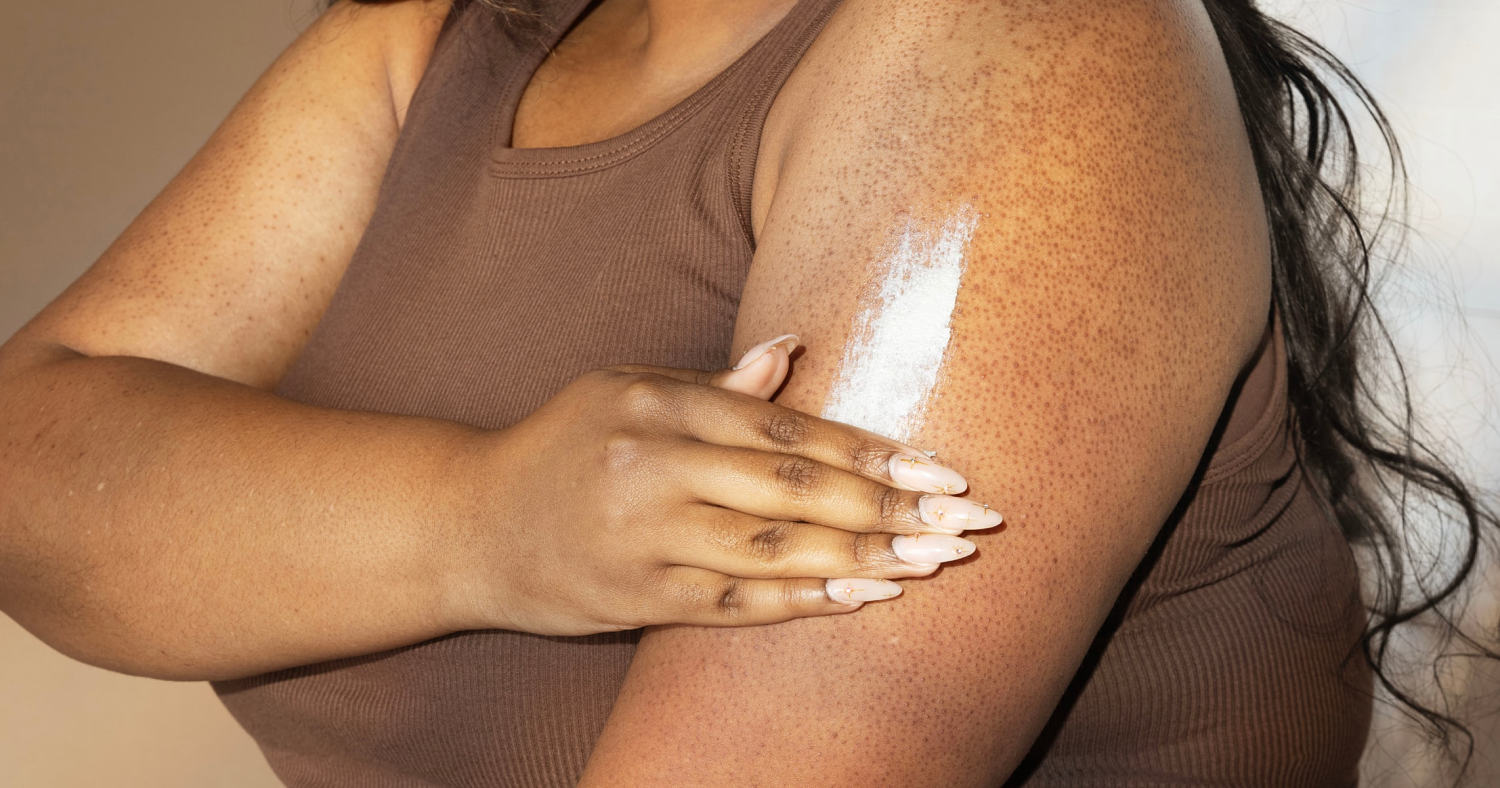
Millions of people trying to cure keratosis pilaris are chasing a ghost. They buy expensive scrubs, high-end acid peels, and viral moisturizers hoping for a smooth remedy, only to watch the rough bumps return weeks later. The primary reality of keratosis pilaris is that it cannot be cured, only managed. To truly improve the rough texture and redness, you must abandon harsh physical scrubbing and instead use a disciplined combination of chemical exfoliants like lactic acid, urea, and salicylic acid paired with intense barrier repair.
Popular media outlets frequently publish shopping guides masquerading as medical advice. They promise clear skin in ten days if you buy their sponsored link recommendations. It is a highly profitable cycle built on consumer frustration.
The Chemistry of the Plug
To understand why most treatments fail, you have to look at the cellular level. Keratosis pilaris occurs when your body produces too much keratin, a tough protein that protects the skin from infection and external aggressors. For reasons tied heavily to genetics, this excess keratin accumulates inside the hair follicles. It forms a hard, microscopic plug.
Think of it as a tiny cork blocking a bottle. When the hair tries to grow through, it gets trapped beneath the surface, causing inflammation, redness, and that signature sandpaper texture.
Most people mistake this for acne or poor hygiene. They react by grabbing the harshest physical scrub they can find. Apricot pits, pumice grains, and stiff loofahs are dragged across the skin in a desperate bid to sand the bumps away. This is a critical error. Aggressive scrubbing irritates the surrounding skin tissue, triggering an inflammatory response that causes the follicle to swell even further. The bumps look redder, feel rougher, and the skin barrier ends up deeply compromised.
The Acid Trap and the Moisture Balance
The beauty industry exploits this desperation by shifting consumers from physical scrubs to chemical exfoliants. While chemical exfoliation is the correct path, the execution is frequently botched. Brands push high-percentage glycolic acid or aggressive retinol treatments that promise rapid results.
The skin on your arms and thighs is different from the skin on your face. It has fewer sebaceous glands, meaning it dries out much faster. When you flood a dry, keratinized area with highly concentrated alpha-hydroxy acids without adequate moisture, you strip away the lipid barrier. The skin panics. It accelerates cell turnover and produces even more keratin to protect itself, worsening the condition you are trying to treat.
True management requires a dual approach that dissolves the glue holding the dead cells together while simultaneously flooding the area with moisture.
Alpha-Hydroxy Acids vs Beta-Hydroxy Acids
Not all acids serve the same purpose. Choosing the wrong one guarantees failure.
- Lactic Acid: This is the gold standard for managing these stubborn bumps. It functions as both an exfoliant and a humectant. It gently breaks down the cellular bonds of the keratin plug while pulling moisture directly into the stratum corneum.
- Salicylic Acid: A oil-soluble beta-hydroxy acid. Because it can penetrate deep into the lipid-rich environment of the hair follicle, it works from the inside out to clear the debris that topical lotions cannot reach.
- Glycolic Acid: While effective at exfoliating the surface, its small molecular size means it penetrates quickly, often causing irritation and redness on sensitive skin types.
The Role of Urea and Alpha-Kera Molecules
If you want to see actual, visible flattening of the bumps, you need to look for keratolytics. These are agents that soften, separate, and cause the desquamation of the cornified epithelium.
Urea is an exceptional, overlooked ingredient in this category. At lower concentrations, it moisturizes. At concentrations between 10% and 20%, it breaks down the hyperkeratinized tissue itself. It actively dissolves the stubborn keratin plug without stripping the skin of its essential lipids.
A Blueprint for Texture Management
Ditch the multi-step routines pushed by social media influencers. They want you to buy five products when you only need two. The most effective routine is simple, cheap, and relies on consistency rather than potency.
| Step | Action | Frequency | Purpose |
|---|---|---|---|
| Cleansing | Use a non-foaming, ceramide-infused wash or a mild salicylic acid cleanser. | Daily | Cleanses without stripping lipids. |
| Exfoliation | Apply a lotion containing 12% lactic acid or 10% urea immediately after showering. | Every evening | Dissolves keratin plugs while skin is damp. |
| Occlusion | Layer a thin coat of pure petrolatum or shea butter over the treatment lotion. | 3 times a week | Locks in hydration and protects the barrier. |
The timing of application matters more than the brand name. Applying your treatment lotion within three minutes of stepping out of the shower yields significantly better results. The damp skin absorbs the active ingredients far more efficiently, allowing the humectants to trap surface water before it evaporates into the air.
The Lifestyle Factors You Are Ignoring
The skincare industry wants you to believe that every solution comes in a plastic bottle. They will not tell you that environmental factors dictate how severe your condition looks on any given day.
Keratosis pilaris is notoriously seasonal. During the winter, humidity drops, indoor heating strips moisture from the air, and skin barrier function plummets. The bumps become hard, dry, and distinctly more visible. Conversely, summer weather often brings a noticeable improvement because higher humidity levels keep the skin pliable and naturally hydrated.
Dietary changes are frequently cited in online forums as a miracle cure. People claim that cutting out gluten, dairy, or sugar completely cured their skin. There is currently no definitive clinical data linking specific food groups to the overproduction of keratin in hair follicles. While reducing systemic inflammation through a balanced diet is generally beneficial for overall skin health, restricting your diet in hopes of smooth arms is usually an exercise in futility. Focus your energy on topical moisture retention and humidity control instead. Run a cool-mist humidifier in your bedroom at night during dry seasons to provide continuous environmental support to your skin barrier.
The Myth of Permanent Laser Removal
When topical lotions fail to deliver perfect results, many turn to dermatology clinics for laser treatments. Dermatologists often market Intense Pulsed Light or Pulsed Dye Lasers as the ultimate answer to the redness and texture.
Lasers can target the vascular component of the condition, reducing the chronic redness that surrounds the plugged follicles. They can also destroy the hair bulb, preventing trapped hairs from exacerbating the inflammation. They do not rewrite your DNA. They do not stop your body from producing excess keratin.
A patient can spend thousands of dollars on a five-session laser package, achieve beautifully smooth skin, and find the bumps returning a year later if they stop their topical maintenance routine. Laser therapy is a temporary reset button, not a permanent exemption from daily skincare.
Accepting the chronic nature of this condition saves both your wallet and your sanity. There is no finish line where your skin becomes permanently flawless. True success is finding a simple, non-irritating routine that keeps the texture manageable, accepting that occasional flare-ups are part of the process, and walking past the skincare aisle promises that sound too good to be true.