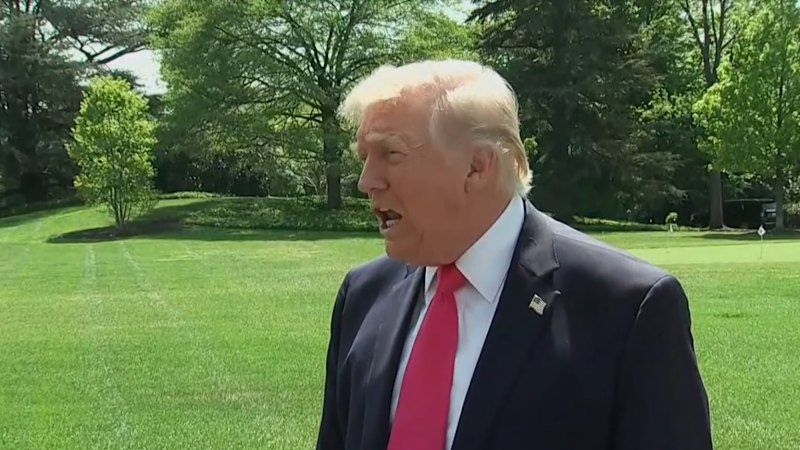
Donald Trump announced on Thursday that Israel and Lebanon have agreed to a ten-day ceasefire, effective as of 5 p.m. Eastern. This temporary suspension of hostilities comes on the heels of the first direct diplomatic contact between the two nations in over forty years, a feat of optics that masks a volatile reality on the ground. While the White House frames this as a monumental step toward regional stability, the agreement is less a peace treaty and more a high-stakes pause in a wider, more dangerous conflict involving Iran and its proxies.
The terms of the deal require the Lebanese government to commit to disarming Hezbollah, an objective that has eluded the international community for decades. In exchange, Israel has agreed to halt its offensive operations, though it remains positioned south of the Litani River. The Israeli military has already warned Lebanese civilians not to return to southern border towns, signaling that the Israel Defense Forces (IDF) have no intention of ceding the tactical high ground during this ten-day window. Meanwhile, you can explore other events here: Executive War Powers and the Legislative Bottleneck An Anatomy of Congressional Inertia.
The Washington Handshake and the Beirut Reality
The diplomatic theater in Washington this week was meant to project a return to American-led order in the Middle East. President Trump invited the leaders of both nations to the White House for what he described as the most meaningful talks since 1983. However, the veneer of cooperation cracked almost immediately. Lebanese President Joseph Aoun reportedly refused to speak directly to Israeli Prime Minister Benjamin Netanyahu during a crucial call mediated by Secretary of State Marco Rubio.
This refusal highlights the fundamental weakness of the deal. Lebanon is a state in name only when it comes to security. The Lebanese Armed Forces (LAF) are theoretically the only legal military power under this new agreement, but Hezbollah remains the most potent fighting force in the country. Expecting the LAF to disarm a battle-hardened militia that is currently fighting a war of survival against Israel is optimistic at best and delusional at worst. To explore the full picture, we recommend the recent analysis by Reuters.
A Narrow Window in a Larger War
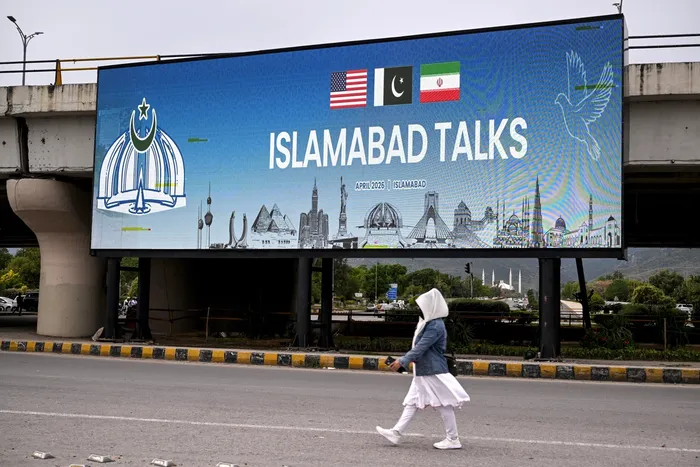
This ceasefire does not exist in a vacuum. It is a secondary theater of the "Twelve-Day War" between the United States, Israel, and Iran. While a broader two-week truce with Tehran is currently in its second half, the fighting in Lebanon had continued unabated until this specific announcement. The 10-day timeline is suspiciously tight, designed to create a pressure cooker environment for negotiators meeting in Islamabad and Washington.
Netanyahu is operating under immense domestic pressure. The Israeli public is weary of multi-front engagements, yet the Prime Minister has made it clear that the truce in Lebanon is conditional. If Hezbollah attempts to regroup or move assets during the pause, the IDF is authorized to strike. This "enforcement plan" mirrors the one Israel has applied to Iran, where any attempt to reconstitute nuclear or missile infrastructure is met with immediate kinetic action.
The Strait of Hormuz Factor
The real leverage behind these diplomatic maneuvers isn't found in the hills of southern Lebanon, but in the shipping lanes of the Persian Gulf. Iran has effectively shuttered the Strait of Hormuz, strangling global oil supplies and sending energy prices into a tailspin. In response, the U.S. has imposed a naval blockade on Iranian ports. The global economy is currently the hostage in this negotiation.
Trump is betting that he can trade a cessation of Israeli strikes in Lebanon for an Iranian commitment to reopen the Strait. It is a classic transactional approach to a region that rarely adheres to Western business logic. Iran has demanded an end to the war in Lebanon as a hard precondition for any further talks regarding the maritime blockade. By securing this ten-day window, Trump has cleared a path for the upcoming round of talks between U.S. officials and Iranian Foreign Minister Abbas Araghchi, but the cost of failure remains catastrophic.
The Illusion of Disarmament
The most significant hurdle remains the "disarming" of Hezbollah. The ceasefire text released by the State Department asserts that only the Lebanese state should bear arms. This is a tall order for a government that has historically been paralyzed by Hezbollah’s political and military weight. If the Lebanese government fails to make a visible move toward neutralizing the militia within the next 240 hours, the ceasefire will likely collapse before the ink is dry on the next round of memos.
We are witnessing a gamble where the stakes are measured in barrels of oil and lives lost in border villages. The next ten days will determine if this is the beginning of a new regional architecture or merely a brief intermission before a much larger explosion.
Move your chess pieces, but keep the engines running.