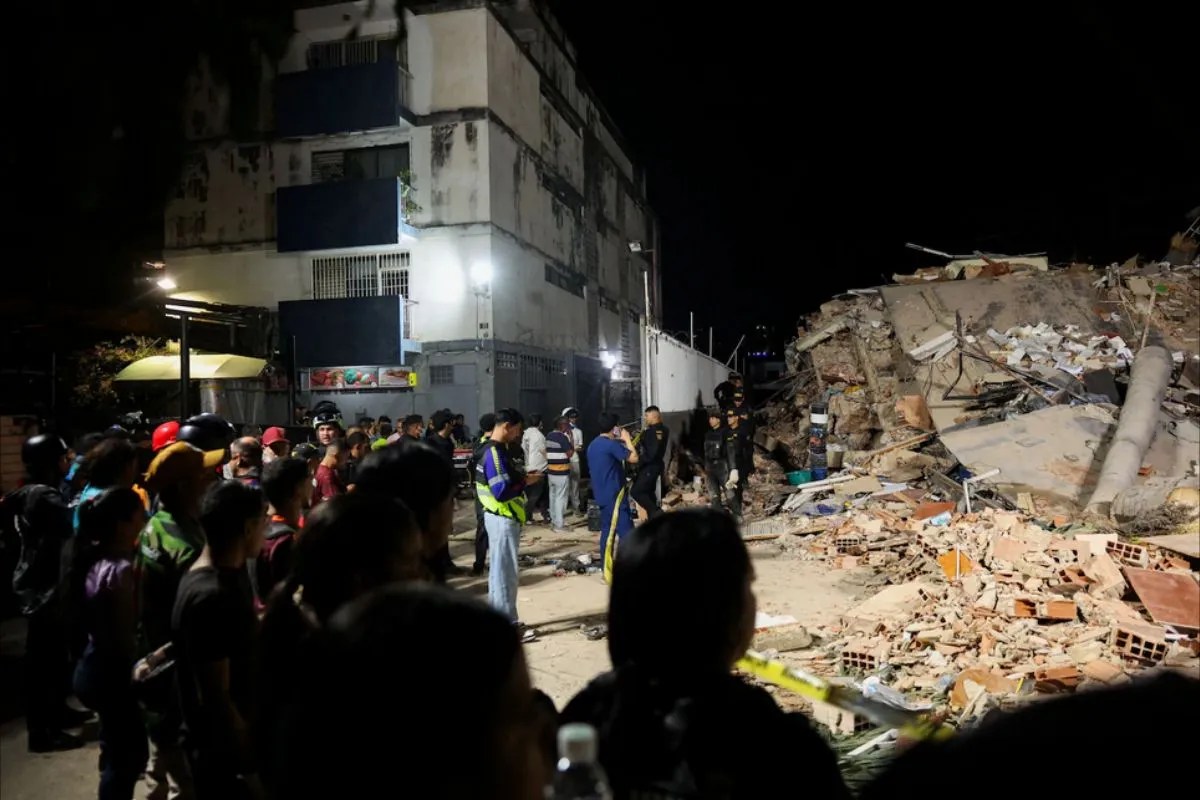
A devastating sequence of two massive earthquakes has struck Venezuela, leaving at least 2,295 people dead and an estimated 50,000 citizens missing. The double shocks shattered underfunded infrastructure and overwhelmed local emergency services within minutes. While early reports focus solely on the raw numbers, the true scale of this disaster stems from a lethal combination of geological misfortune and years of systemic economic neglect. This is not just a natural disaster. It is an infrastructure collapse on a historic scale.
The Anatomy of a Dual Seismic Shock
Most tectonic disasters involve a single massive rupture followed by smaller aftershocks. Venezuela experienced something far rarer and more destructive: two distinct, high-magnitude earthquakes occurring in rapid succession along intersecting fault lines.
The first quake ruptured along the major Boconó fault zone, a highly active tectonic boundary that accommodates the movement between the Caribbean and South American plates. Before emergency teams could even organize a response, the sudden shift in stress triggered a second, nearly equal rupture on an adjacent, poorly mapped fault branch nearby.
This phenomenon, known as stress transfer, essentially meant that buildings weakened by the first shake were entirely pulverized by the second. Structures designed to withstand a single standard earthquake simply could not cope with a prolonged, multi-directional assault on their foundations.
Why the Missing Count is Escalating
The figure of 50,000 missing individuals sounds statistical, but the reality on the ground is chaotic. The impacted zones include densely populated urban areas characterized by informal housing. Entire neighborhoods built on steep hillsides suffered catastrophic landslides during the second tremor.
- Communication Blackouts: The physical destruction of cell towers and power grids has cut off whole municipalities from the national grid. Many listed as missing are simply unable to contact their families.
- Landslide Encirclement: Mountainous access roads have collapsed, completely isolating rural towns from rescue convoy routes.
- Informal Settlement Collapse: Thousands of self-built concrete brick homes were completely obliterated, leaving rescue teams to dig through heavy rubble without architectural blueprints to guide them.
Decades of Neglect Compounded the Body Count
Earthquakes are inevitable, but mass casualties are often preventable. The sheer scale of the fatalities in Venezuela exposes a deep-seated vulnerability that has been compounding for over two decades. Strict building codes exist on paper, but enforcement has been virtually non-existent due to economic instability and corruption.
Unregulated concrete construction dominates the hillsides surrounding the major urban centers. These structures lack the necessary steel rebar reinforcement required to absorb seismic waves. When the ground shifted, these buildings did not flex; they sheared at the base, causing pancakes of multiple floors that trapped occupants instantly.
Furthermore, the country's medical system was already operating on emergency reserves before the ground even shook. Hospitals in the immediate blast zone lacked basic surgical supplies, clean water, and backup generators. Many victims who survived the initial collapse succumbed to their injuries in overcrowded triage centers due to a lack of immediate trauma care.
The Complicated Geopolitics of International Aid
Managing a rescue operation of this magnitude requires immense logistics, heavy machinery, and specialized search-and-rescue teams. Venezuela's complex geopolitical relationships are slowing down the arrival of crucial foreign assistance.
+------------------------+------------------------------------+-----------------------------------+
| Aid Source             | Logistics Offered                  | Current Operational Hurdle        |
+------------------------+------------------------------------+-----------------------------------+
| Neighboring Nations    | Ground search teams, field clinics | Border infrastructure damage      |
| Global Superpowers     | Heavy lifting gear, satellite data | Diplomatic clearance delays       |
| Non-Governmental Orgs  | Food, water purification kits     | Distribution security concerns    |
+------------------------+------------------------------------+-----------------------------------+
While initial aid flights from allied nations have landed, bureaucratic bottlenecks at airport customs are delaying specialized canine rescue units from entering the country. Every hour spent negotiating entry terms directly impacts the survival rate of those trapped beneath the concrete.
The Looming Secondary Crisis
Survival is only the first hurdle. The displacement of hundreds of thousands of citizens creates an immediate public health threat. Without running water or functional sewage systems, the risk of waterborne disease outbreaks rises exponentially.
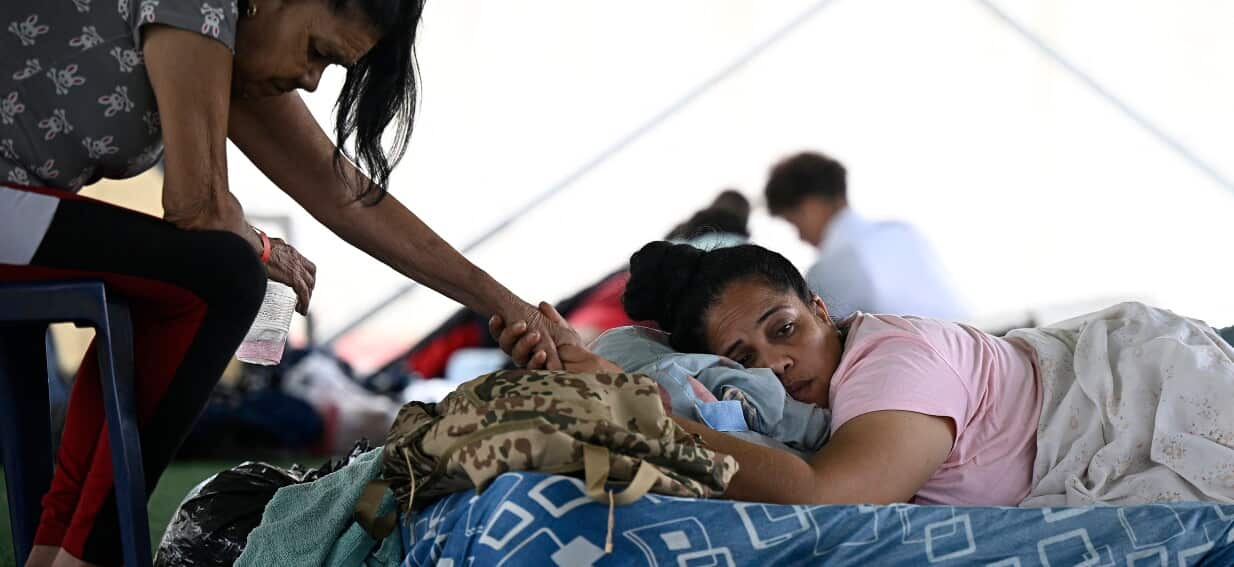
Emergency camps are springing up organically in parks and public squares, but they lack basic sanitation. If international agencies cannot establish secure supply corridors within the next forty-eight hours, the secondary death toll from preventable illnesses could rival the initial seismic casualties.
Beyond the Immediate Rubble
The recovery process for Venezuela will not take months; it will take decades. Rebuilding shattered cities requires immense capital that the national treasury currently lacks. Relying on short-term humanitarian aid will not fix the underlying structural vulnerability that turned a geological event into a national tragedy.
The immediate priority remains finding survivors trapped in the debris, but the long-term lesson is clear. Until infrastructure development is decoupled from political instability and treated as a fundamental element of public safety, the soil of the region remains a ticking clock for its citizens. Surviving the next inevitable tectonic shift depends entirely on rewriting how the nation builds from the ground up.