The modern World Cup match is no longer just a sporting event. It is a multi-billion-dollar psychological crucible that pushes elite athletes and millions of spectators to the absolute brink of emotional collapse. While standard sports broadcasting focuses on the superficial optics of fan reactions—the tears, the bitten fingernails, the sudden outbursts of joy—the underlying reality is far more complex. The intense pressure governing these tournament games stems from a volatile mix of national expectation, algorithmic media amplification, and the unforgiving nature of single-elimination international football.
The Anatomy of Ninety Minutes of Terror
International football tournaments operate on a thin margin between national heroism and career-defining vilification. When a match enters its final fifteen minutes with a single goal separating survival from elimination, the tactical structures drilled into players for months frequently disintegrate. What replaces them is a primitive, survival-driven style of play that mirrors the psychological panic occurring simultaneously in the stands and living rooms across the globe.
This extreme tension is not an accidental byproduct of the game. It is structural. The tournament format leaves no room for gradual recovery or long-term point accumulation. A single misjudged backpass, a momentary lapse in defensive concentration, or a controversial officiating decision can nullify four years of meticulous preparation. For the players on the pitch, this realization creates a unique form of cognitive paralysis. For the fans, it manifests as a collective, visceral anxiety that transforms stadiums from venues of entertainment into pressure cookers.
The Algorithmic Escalation of Fan Anxiety
The experience of watching a high-stakes match has fundamentally changed over the past decade. Previously, emotional responses were localized, shared primarily within a stadium or a specific neighborhood pub. Today, global digital networks capture, package, and redistribute fan reactions in real-time, creating a feedback loop that actively intensifies the emotional stakes.
- Real-Time Sentiment Amplification: Social platforms track shifts in crowd emotion, pushing the most extreme expressions of grief or celebration to the top of millions of feeds instantly.
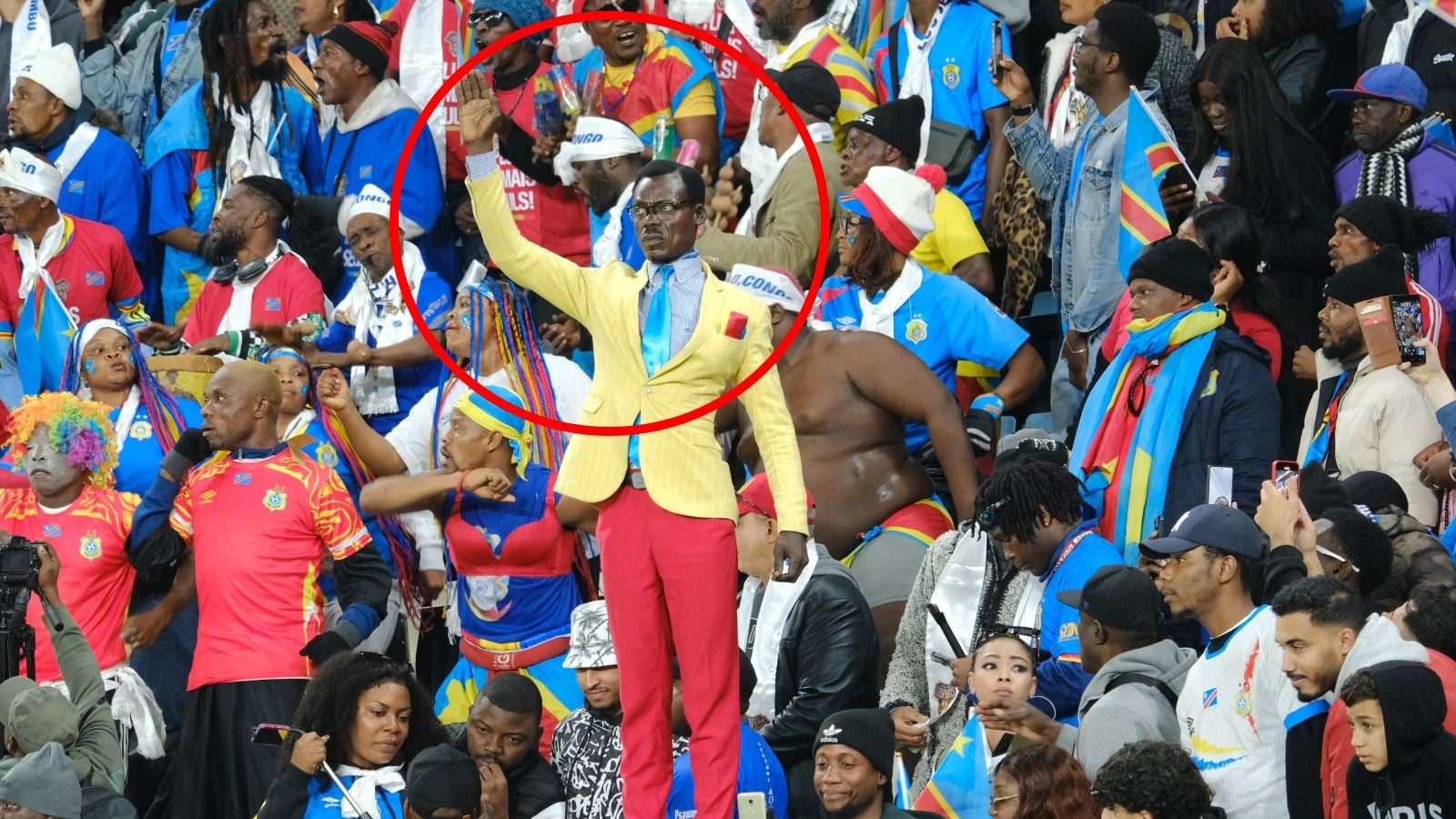
- The Loss of Shared Reality: Fans in the stadium are now hyper-aware of how their reactions are being broadcast globally, turning organic anxiety into a performative spectacle.
- Micro-Analyses of Failure: Every missed chance or tactical error is dissected by millions within seconds, meaning players and supporters feel the weight of immediate, global judgment while the game is still active.
This continuous feedback loop means that fans are no longer merely passive observers of tension. They are active participants in an echo chamber that amplifies the perceived stakes of every single possession.
The Financial Cost of National Expectations
Behind the emotional theater lies a massive economic engine that cannot afford early elimination. For major footballing nations, a premature exit from a major tournament represents a catastrophic financial blow to domestic associations, corporate sponsors, and local economies geared toward extended tournament runs.
Consider the economic fallout for a traditional powerhouse exiting during the group stage. Television ratings plummet. Merchandise sales freeze overnight. Expected advertising revenues evaporate. This financial reality trickles down to the coaching staff and players, who understand that their performance directly impacts the livelihoods of hundreds of people working behind the scenes in their national sports programs. The knowledge of this economic burden adds a heavy layer of stress to every movement on the field, forcing teams into conservative, fear-based tactics that often prolong and heighten the agonizing nature of the match.
Tactical Paralysis and the Death of Fluid Play
When the psychological burden becomes too heavy, tactical sophistication is usually the first casualty. Managers spend years developing complex pressing systems and fluid attacking transitions, yet these systems often fail under the weight of an elimination match.
Teams naturally retreat into low-block defensive shapes, preferring to minimize risks rather than exploit opponent weaknesses. The passing becomes safer, the movement more rigid, and the reliance on individual moments of brilliance absolute. This tactical regression produces a specific brand of ugly, gripping football where the fear of losing entirely eclipses the desire to win. It is a grueling spectacle that rewards physical endurance and mental resilience over technical artistry, leaving audiences trapped in a state of suspended animation for hours.
The Psychological Aftermath
The final whistle offers immediate relief, but the psychological effects of these high-pressure matches linger long after the crowds disperse. For the victors, the relief is temporary, merely a passport to the next round of escalating anxiety. For the defeated, the consequences can be deeply damaging.
Elite athletes possess psychological support systems designed to help them process competitive failure, but the average supporter has no such buffer. The sudden drop in cortisol and adrenaline after a heartbreaking loss frequently leads to a period of genuine collective depression across a nation's sporting community. The emotional investment required to endure these ninety-minute crises is immense, and the return on that investment is never guaranteed. As international football continues to prioritize commercial expansion and constant media engagement, the emotional burden placed on everyone involved will only grow heavier, turning what used to be a game into an unsustainable exercise in collective endurance.