The timing isn't just suspicious; it's a message sent in the loudest way possible. On Tuesday, Kuwaiti officials dropped a bombshell, accusing Iran’s Revolutionary Guard of a botched infiltration attempt on Bubiyan Island. This isn't just some remote sandbar. It's the site of the multi-billion dollar Mubarak Al-Kabeer Port, a crown jewel in China’s Belt and Road Initiative.
The incident actually happened on May 1, but Kuwait sat on the news for over a week. Why talk now? Because Donald Trump is literally on his way to Beijing to sit down with Xi Jinping. By naming Iran as the culprit today, Kuwait has shoved the Middle East war directly to the top of the summit agenda. They’ve forced China to look at its "strategic partner" in Tehran and ask why they’re targeting Chinese-funded infrastructure.
A botched raid with high stakes
According to Kuwait’s Ministry of Interior, six armed members of the Iranian Revolutionary Guard (IRGC) tried to sneak onto the island under the cover of darkness. It didn't go well for them. Kuwaiti security forces intercepted the team, detaining four of them while two managed to flee back toward the Iranian coast.
The roster of those captured is telling. We aren't talking about low-level proxies or local militias. Kuwait says they have two naval captains, a naval lieutenant, and an army lieutenant in custody. These are professional officers. One Kuwaiti security official was wounded in the scuffle.
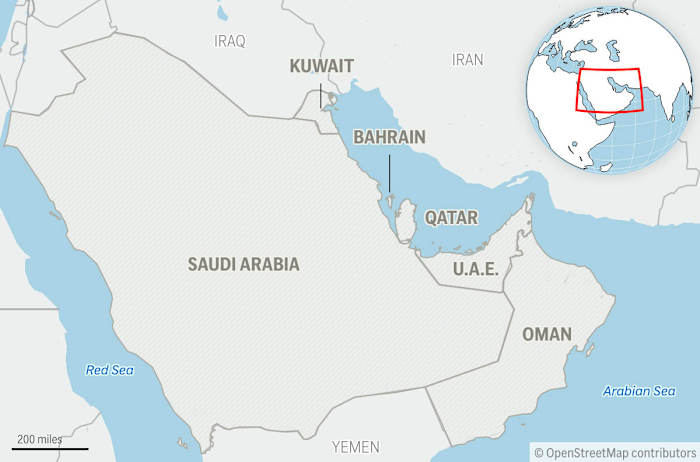
This wasn't just a random border skirmish. Bubiyan Island sits in the far northwest corner of the Persian Gulf, a stone’s throw from both Iraq and Iran. It’s a strategic nightmare for anyone trying to maintain order in the region.
The China connection Iran can't ignore
You have to look at what's actually on Bubiyan to understand the gravity of this. The Mubarak Al-Kabeer Port is meant to be Kuwait’s future. It’s also a massive piece of the puzzle for China’s trade ambitions.
China has spent years buying Iranian oil and helping Tehran bypass sanctions. They’ve played both sides of the Gulf for decades. But now, Iran is allegedly biting the hand that feeds it.
- Infrastructure at risk: The port has already seen damage from drone and cruise missile strikes back in March.
- The Belt and Road problem: If China can't protect its investments from its own allies, the entire logic of its Middle East presence starts to crumble.
- Energy security: Beijing is desperate for the Strait of Hormuz to stay open. Every time Iran pulls a stunt like this, oil prices spike and China's economy takes a hit.
Trump and Xi's uncomfortable dinner
Trump is heading to Beijing with a very specific set of grievances. He’s already rejected Iran’s latest truce proposal and he’s looking for leverage. Kuwait just handed it to him on a silver platter.
Expect Trump to point at the Bubiyan incident as proof that Iran is a "rogue actor" that even China can't control. For Xi Jinping, this is a massive headache. He wants to project an image of a stable, dominant superpower. Having your "partner" attack your own port project makes you look weak, not strong.
The U.S. and Israel have been hammering Iranian targets since the war escalated in February. Now, Kuwait—usually the most diplomatic and neutral of the Gulf states—is losing its patience. They’re tired of being a punching bag for Iranian drones and paramilitary teams.
The bigger picture of the 2026 conflict
Don't forget that Kuwait has been a quiet casualty in this war for months. Just since March, they've dealt with:
- Massive drone and missile salvos that damaged Ali Al Salem Air Base.
- Friendly fire incidents where their own jets accidentally downed U.S. F-15s during the chaos.
- Direct strikes on their commercial ports in Shuwaikh.
The ceasefire that everyone keeps talking about is basically a polite fiction at this point. While diplomats use fancy words in Geneva, there are IRGC officers sitting in Kuwaiti jail cells and cargo ships on fire off the coast of Qatar.
What happens next
This accusation changes the math for the Beijing summit. If you’re watching the news this week, don't just focus on trade tariffs or AI regulations. Watch how China reacts to the Kuwaiti report.
If Beijing stays silent, they risk alienating the Gulf states that provide their energy. If they condemn Iran, they risk breaking a strategic alliance they’ve spent thirty years building.
Keep an eye on the following:
- The "Hostile Acts" details: Kuwait hasn't fully explained what the IRGC team was planning. If it turns out they were carrying explosives to the port site, the diplomatic fallout will be ten times worse.
- The prisoner exchange: Watch for back-channel talks to get those four officers back to Tehran. Kuwait doesn't usually like holding high-profile prisoners for long.
- Maritime security shifts: Expect more U.S. and perhaps even Israeli naval assets to move toward the northern Gulf to "protect" these trade routes.
The era of Kuwait playing the neutral mediator is over. They’ve picked a side, and they’ve picked a moment that ensures the whole world is watching.