History often turns on missed details. Bureaucratic friction, red tape, and institutional ego can bury warnings that seem crystal clear in hindsight. Look back at the scorching summer of 2001. Weeks before hijacked planes struck the World Trade Center and the Pentagon, front-line federal agents spotted a massive red flag. They tried to sound the alarm. Headquarters looked away.
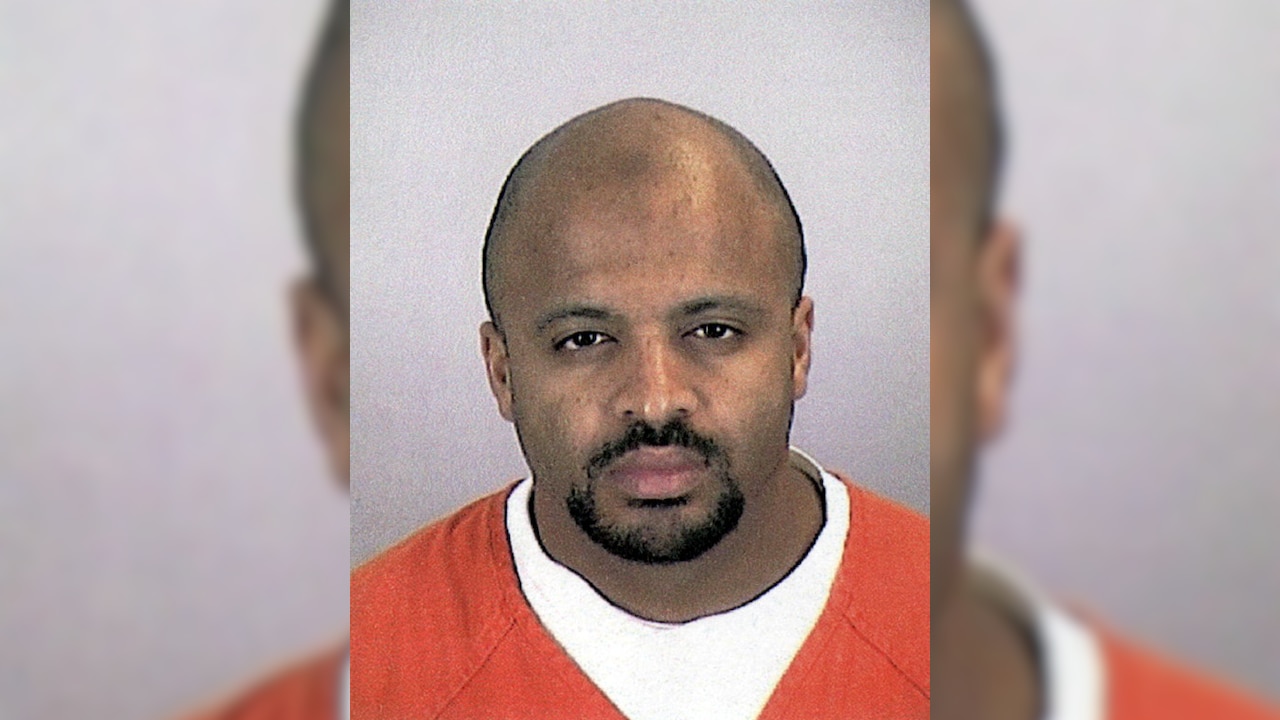
Zacarias Moussaoui walked into a Minnesota flight school wanting to learn how to steer a large commercial jet, but he had zero interest in learning how to take off or land. Flight instructors knew something was deeply wrong. They called the authorities. Field agents responded quickly, detained the suspicious Moroccan-French national on immigration violations, and immediately realized they were staring at a potential catastrophic threat. They wanted to search his laptop and personal belongings. Headquarters blocked them.
The Warning Signs Everyone Chose to Ignore
You have to understand the operating environment of the FBI back in 2001. Information sharing was practically non-existent. Divisions guarded their notes like dragons sitting on gold. When field agents in Minneapolis cabled headquarters about Moussaoui taking suspicious flight simulator lessons, they weren't guessing. They smelled an active plot.
Moussaoui paid for training in cash. He acted evasive. He wanted to fly Boeing aircraft without a basic license or legitimate aviation background. Any reasonable investigator would connect those dots to an imminent aerial hijacking. Yet, institutional gatekeepers at the main office treated the warning as a minor immigration headache. They didn't see an urgent national security crisis. They saw paperwork.
The tragic irony is heavy. Months of warning signs across different intelligence agencies floated through the ether, but bureaucratic walls kept them isolated. Field agents felt the crunch of impending doom while career officials miles away worried about civil liberties protocols and probable cause thresholds.
Bureaucratic Blind Spots That Cost Thousands of Lives
Why did the system choke? It comes down to imagination failure. Senior intelligence officials repeatedly stated they could not imagine commercial airliners being used as missiles, despite intelligence memos hinting at similar plots for years.
When Minneapolis agents pushed for an emergency warrant to look inside Moussaoui's computer, higher-ups pushed back. They claimed the legal threshold wasn't met. They argued he was just an overzealous student with bad visa status. That intellectual laziness paralyzed the one unit actively trying to crack the case.
We learned later that Moussaoui's laptop contained direct links to high-ranking al-Qaeda members, including figures tied to the planning of the attacks. Accessing that device could have blown the entire conspiracy wide open before the planes left the tarmac. Instead, the laptop sat locked in evidence while the clock ran out.
The Cost of Institutional Arrogance
Mistakes of this magnitude leave permanent scars. The failure to act on the Moussaoui detention exposed deep fractures in American counterintelligence. Agents on the ground knew the score, but structural bottlenecks rendered them powerless.
After the dust settled, investigations tore through the agency. Finger-pointing replaced unity. Career paths derailed, congressional committees grilled leadership, and the public learned how close they came to avoiding tragedy if only a few middle managers had trusted their frontline investigators.
Learning from these historic failures means stripping away the red tape that protects institutional comfort over public safety. When boots-on-the-ground operatives flag an imminent danger, the command structure needs to listen, adapt, and move fast. Hesitation kills. In counterterrorism, ignoring a single flashing red light is a luxury no nation can afford.

