For decades, standard medical dogma insisted on a comfortable lie. Cancer is a private tragedy. It mutates inside a single body, feeds on that specific host, and dies with them. We built our entire multi-billion-dollar therapeutic apparatus around this axiom. Surgery carves it out, radiation fries it, and chemotherapy poisons it before it poisons the host. But biology refuses to respect human assumptions.
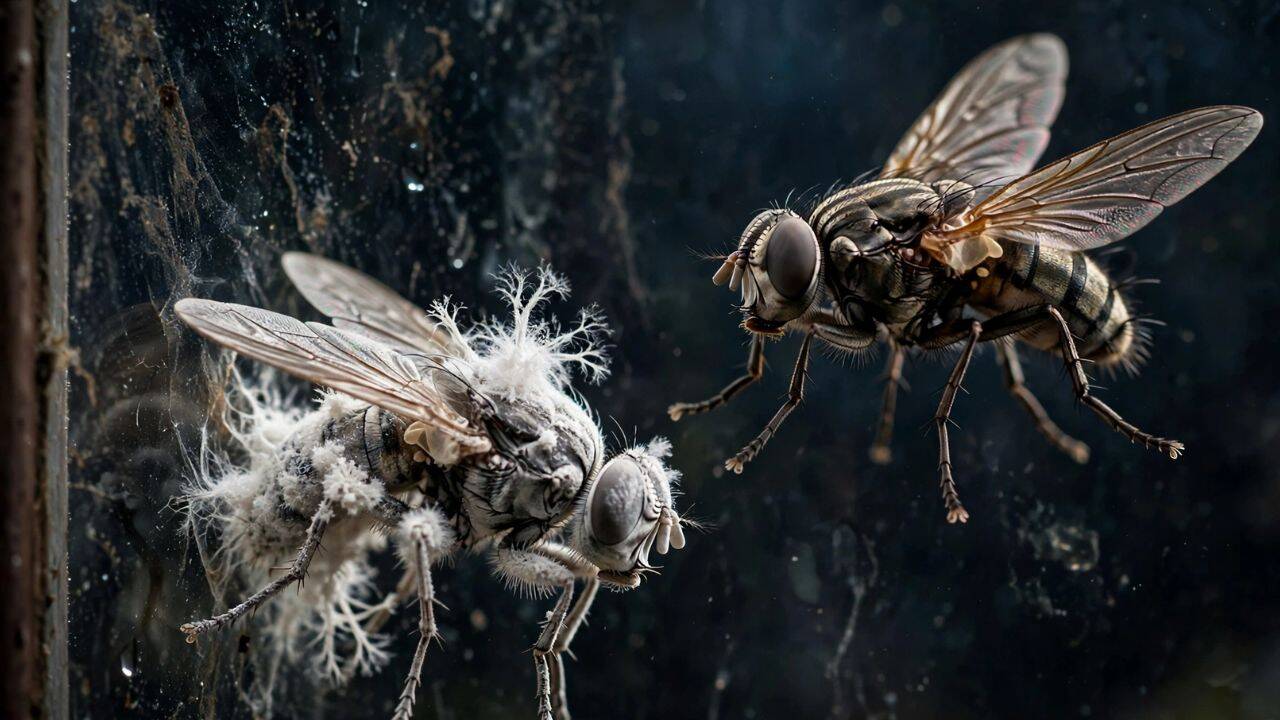
Scientists have officially documented a transmissible cancer spreading through populations of marine animals. This is not a virus that triggers tumors later down the line. This is a living, independent cellular clone that leaps from body to body, shedding its original host entirely to colonize a new organism. It operates like a parasite, yet it possesses no organs, no nervous system, and no independent will beyond pure, relentless replication. For a different look, read: this related article.
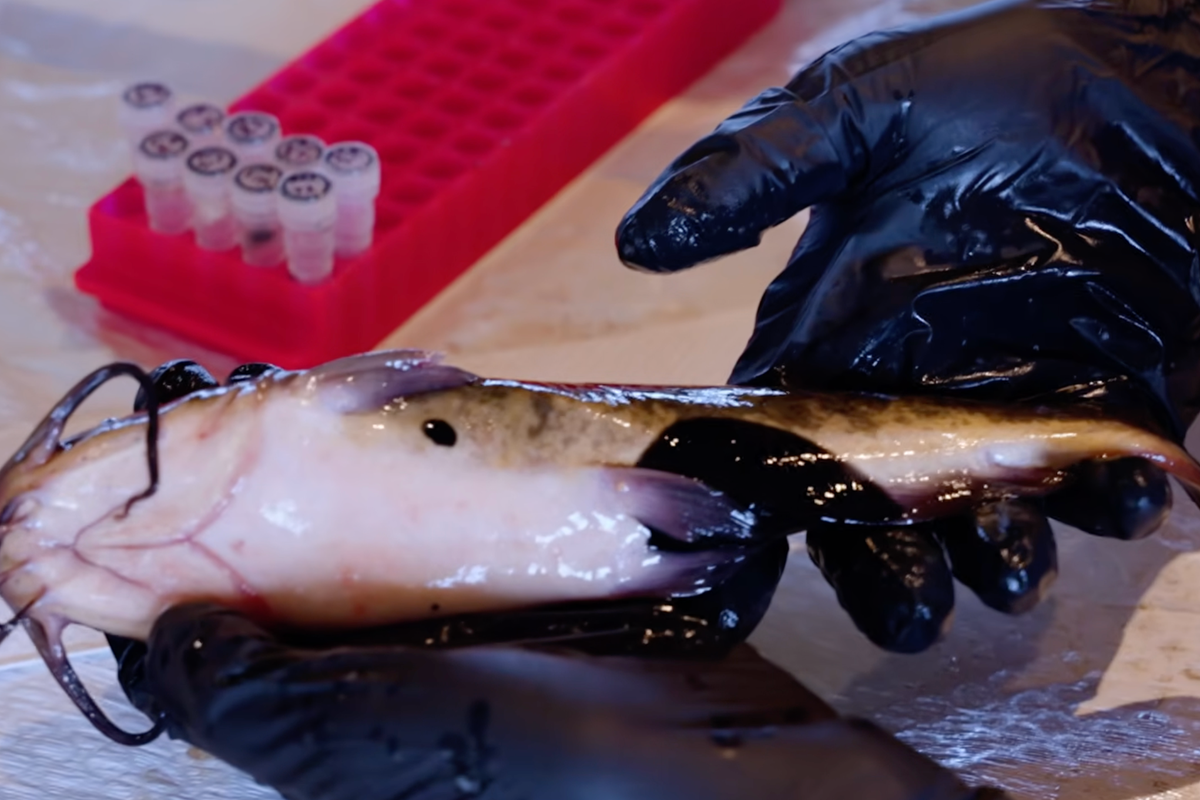
Marine researchers tracking this phenomenon have found that these rogue cell lines do not stay local. They drift across ocean floors, carried by currents, infecting unrelated individuals with terrifying efficiency. While this sounds like the premise of a low-budget horror film, the reality sits squarely in peer-reviewed journals. Clonal transmissible cancers exist. They challenge everything we thought we knew about immunology, tissue rejection, and the fundamental mechanics of metastasis.
More importantly, studying how these rogue cells bypass immune systems in wild species might give human medicine the blueprint it desperately needs to outsmart our own most lethal pathologies. Related coverage on this trend has been published by Medical News Today.
The Anatomy of a Rogue Cell Line
To understand why a transmissible cancer breaks the rules of biology, you have to look at how normal immune systems function. Every vertebrate possesses a complex set of cellular markers known as the major histocompatibility complex. Think of it as a biological passport control. When a foreign cell enters your body, your immune cells inspect its passport. If the stamps do not match, security tackles the intruder and destroys it.
When a human develops a tumor, those cancer cells still carry the host's passport. Even though they are mutating wildly, they are recognized as "self" tissue gone rogue, which is why an immune system often struggles to flag them early. But if you take that same human tumor and try to shove it into another human, the recipient's immune system will instantly spot the foreign passport and obliterate the tissue.
Or at least, it should.
In marine environments, certain species have found ways around this security checkpoint. The most famous case studies involve bivalves—specifically soft-shell clams, mussels, and cockles—along with Tasmanian devils suffering from facial tumor diseases. In these populations, a cancer cell manages to detach from the primary host, survive in the open water column, and enter a completely new animal through filtration feeding or physical contact.
Once inside the new host, the cell does not get rejected. It acts as an allograft, a living transplant from a genetically distinct individual, yet it somehow cloaks itself from the host's immune surveillance. It sets up shop, begins dividing, and eventually overwhelms the new host's organs.
This process transforms a somatic disease into an infectious one. The cancer has evolved from a localized malfunction into a free-living unicellular organism. It is an evolutionary shortcut. Instead of waiting for mutations to spontaneously occur in an animal's own DNA, the disease simply outsources the infection phase. It is horizontal transmission of malignant tissue.
Why the Ocean Holds the Answer to Human Metastasis
Mainstream oncology is obsessed with the endgame. We spend endless resources trying to figure out how to kill a tumor once it has already set up base camp inside a lung, a brain, or a liver. But the true killer in human cancer is never the primary tumor. It is metastasis.
Metastasis occurs when cancer cells break away from the original site, travel through the bloodstream or lymphatic system, and survive in a completely foreign microenvironment within the same body. A breast cancer cell that migrates to the bone must drastically alter its behavior, dodge immune cells, and learn to thrive in a totally different metabolic neighborhood.
This is where marine transmissible cancers provide an unprecedented window into the machinery of survival.
Think about what a transmissible cancer cell has to endure. It must survive outside a body entirely—exposed to salinity shifts, temperature fluctuations, and variable pH levels—before successfully invading an organism with a completely foreign genetic code. It is the ultimate extreme survivalist. By sequencing the genomes of these marine cancer cell lines, evolutionary biologists and oncologists are mapping the exact genetic traits that grant cells this preternatural resilience.
If researchers can pinpoint the molecular switches that allow these cells to evade immune rejection across different individuals, they can figure out how human tumors pull off the exact same trick during metastasis. Understanding how a clam's cancer bypasses immune checkpoints gives immunotherapies a brand new target list. It is comparative oncology at its most raw and functional.
The Tasmanian Devil Warning
We do not even have to look underwater to see how devastating this mechanism can be. On the island of Tasmania, an entire mammal species has been pushed to the brink of extinction by a transmissible facial tumor disease.
Discovered in the mid-1990s, the Tasmanian devil facial tumor disease spreads primarily through biting. Because these marsupials frequently bite each other during feeding and mating rituals, living cancer cells from one animal's jaw are physically transferred directly into the open wound of another.
What makes this specific strain so terrifying from a structural standpoint is its genetic stability. It is not mutating into oblivion; it is refining its approach. Scientists tracking the lineage of these tumors have watched distinct strains branch out, compete with one another, and adapt to different geographic populations of devils.
For years, conservationists feared the species was mathematically certain to vanish entirely. Yet, recent field data shows something unexpected. Some devil populations are fighting back through rapid, natural selection. Animals with immune systems capable of recognizing the foreign tumor antigens are surviving, reproducing, and shifting the genetic makeup of the wild population.
This dynamic interplay between host and transmissible pathogen mirrors the eternal evolutionary arms race we see in viral and bacterial pandemics. But watching it happen with a literal piece of living tissue forces a radical shift in how we classify life and disease. It sits in a gray zone between parasite, pathogen, and rogue self.
Separating Hype from Clinical Reality
It is easy to get carried away with speculative headlines. Writers love to claim that finding cancer in clams means a universal cure for humans is right around the corner. That is lazy journalism, and it misrepresents the grueling, incremental nature of medical research.
A marine clam is not a human. Their immune architectures are vastly different, operating largely on innate rather than adaptive immunity. We cannot simply take a protein sequence from a soft-shell clam tumor, inject it into a lung cancer patient, and expect a miraculous recovery. Biology does not work like a software patch.
Furthermore, the genetic instability that makes these cancers transmissible also makes them slippery subjects for laboratory study. Growing marine tumor cell lines in artificial in vitro environments often proves exceptionally difficult because they rely on specific physiological parameters found only in their native hosts.
Yet, acknowledging these limitations does not diminish the value of the discovery. The value lies in the mechanisms of immune evasion.
Modern oncology relies heavily on checkpoint inhibitors—drugs that take the brakes off the human immune system so it can spot and destroy human tumors. These therapies work wonders for a subset of patients, but many tumors remain stubbornly invisible to them. By studying how transmissible cancers completely blindside healthy, robust immune systems in wild species, immunologists are finding entirely new classes of molecular camouflage. If we can learn how these marine cancers turn off host recognition entirely, we can design synthetic molecules to strip that camouflage away from human metastases.
The Broader Ecological Fallout
We also have to confront the uncomfortable environmental reality driving these anomalies. These transmissible cancers are not occurring in a vacuum. Changing ocean temperatures, ocean acidification, chemical pollution, and overfishing are placing unprecedented physiological stress on marine ecosystems.
Stressed organisms have compromised immune responses. A stressed population of clams or fish is far more susceptible to sustaining and spreading clonal cell lines that might otherwise have been suppressed by a robust, healthy ecosystem.
When we pollute coastal waters with endocrine disruptors, heavy metals, and agricultural runoff, we are not just killing marine life directly. We are potentially creating selection pressures that favor fast-replicating, resilient, parasitic cell lines. We are engineering the very environments where rogue biology can thrive.
The investigation into marine transmissible cancers is ultimately a mirror reflecting our own vulnerability. We like to think of human civilization as separate from the natural world, operating under our own rules with our own advanced medical safety nets. But cancer is a fundamental, baseline property of multicellular life. It is the dark side of cellular division, the price we pay for being built out of trillions of cooperating parts.
When those parts decide to stop cooperating and start conquering, the rules of survival change instantly.
Whether that survival happens in a laboratory in Boston, a tidal flat in Maine, or the scrublands of Tasmania, the lesson remains identical. Biology does not negotiate. It adapts. And if we want to stay ahead of the diseases that threaten to dismantle us, we have to look past our own reflection and pay attention to what the rest of the natural world is already fighting to survive.