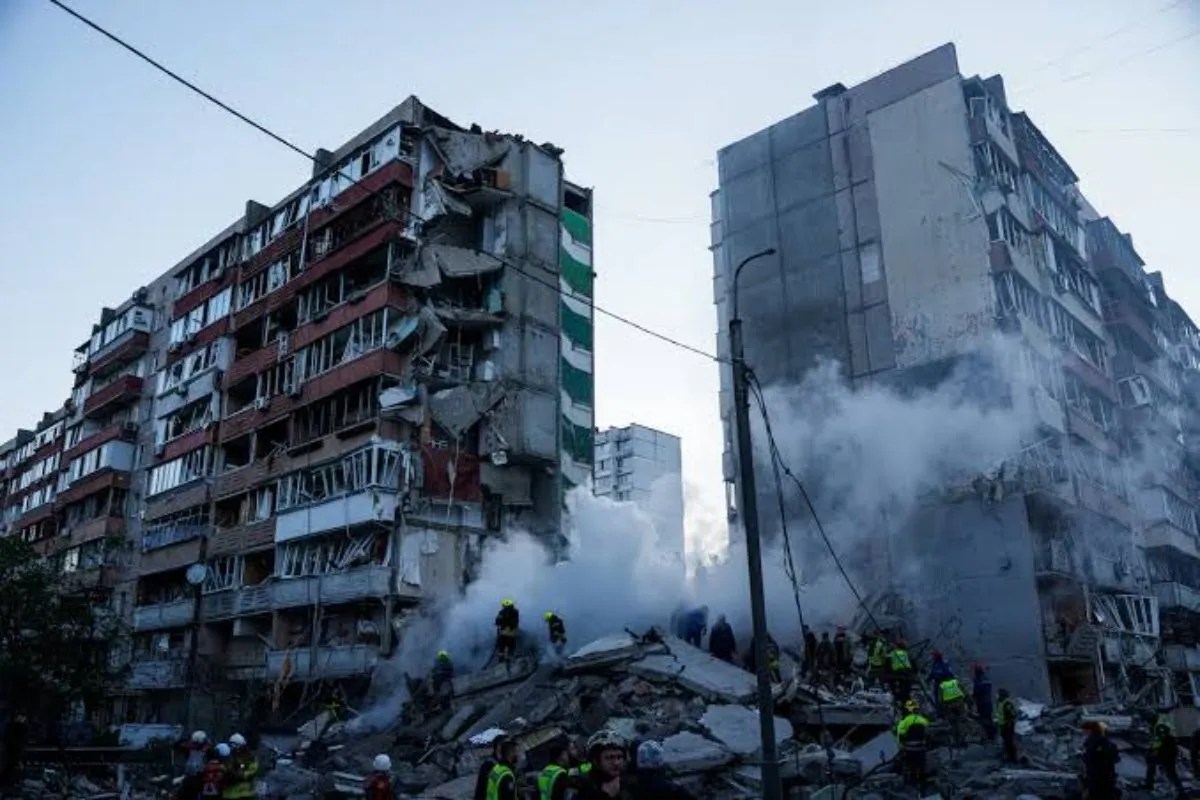
The Financial Shift in Kyiv
Ukraine is changing how it asks for help. Instead of begging Western allies for aging tanks and dusty stockpiles from cold war warehouses, Kyiv is demanding direct cash injections to purchase brand-new weapons straight from American assembly lines. This tactical pivot reflects a grim reality on the ground. The initial phase of charity is over, replaced by a commercialized defense procurement strategy designed to bypass political gridlock in Western capitals.
The shift is driven by necessity. Western nations have largely emptied their active warehouses of expendable military hardware. What remains cannot be given away without compromising domestic security thresholds. By requesting direct funding to sign commercial contracts with defense contractors, Ukraine aims to secure a predictable, long-term pipeline of ammunition and advanced hardware.
This model alters the geopolitics of military aid. It transforms Ukraine from a recipient of charity into a high-value customer of the Western defense industrial base. The money flowing from European treasuries is increasingly routed through Kyiv to end up in the bank accounts of major defense firms in the United States. It is a complex financial circuit that keeps the war effort alive while creating a self-sustaining loop of defense spending.
The Death of Surplus Military Aid
For the first two years of the conflict, the supply chain relied on presidential drawdown authority and direct transfers of existing equipment. Logistics hubs in Poland and Romania were flooded with Humvees, M113 armored personnel carriers, and older variants of the Bradley Fighting Vehicle. That supply line has run dry. The Pentagon cannot simply give away what it does not have, and the political appetite for depleting domestic stockpiles has vanished.
The numbers reveal the crisis. European nations have scoured their facilities for artillery shells, finding only empty shelves and long waiting lists. The initial donations were a stopgap measure. They kept the front lines from collapsing but did nothing to address the structural demands of a prolonged war of attrition.
Kyiv realized that relying on political consensus for every single shipment of armored vehicles was a losing strategy. A single legislative delay in Washington can halt shipments for months, causing immediate crises on the battlefield. Direct cash grants allow Ukraine to act as an independent buyer. They can negotiate directly with manufacturers, lock in production slots, and insulate themselves from the shifting winds of domestic politics in donor countries.
Inside the Defense Procurement Pipeline
Buying weapons directly from a manufacturer is not like purchasing commercial goods. The process is governed by a dense web of regulations, export controls, and corporate backlogs. When Ukraine receives cash from an ally like Denmark or the Netherlands to buy American hardware, the money must navigate a strict bureaucratic pipeline before a single factory wheel turns.
Consider the procurement of Patriot missile defense systems. A single battery costs roughly one billion dollars, and the interceptor missiles cost millions each. Under the direct purchase model, Ukraine places an order through the Foreign Military Sales system or directly via commercial contracts approved by the State Department.
The manufacturing timeline is long. Factories cannot scale up production overnight. It takes years to secure the raw materials, specialized components, and skilled labor required to build advanced radar systems and guided munitions. The cash Ukraine receives today will often not result in usable battlefield equipment until years down the line. This creates a dangerous gap between the immediate tactical needs of soldiers in the Donbas and the industrial realities of the Western defense sector.
The Corporate Windfall in the West
The primary beneficiaries of this financial strategy are the major aerospace and defense corporations based in the United States and western Europe. As billions of dollars are channeled into direct purchase contracts, corporate order books have swelled to historic levels. The war has become a powerful economic driver for specific industrial corridors.
Production lines for 155mm artillery shells are expanding across Pennsylvania, Texas, and Virginia. Aerospace facilities in Arizona and Alabama are running extra shifts to meet the demand for anti-tank missiles and air defense components. The financial flow is clear. Taxpayer money from European citizens is transferred to Ukraine, which immediately signs contracts that funnel those dollars back into the American manufacturing sector.
This economic reality complicates the political debate surrounding aid. Critics argue that the conflict is being artificially prolonged to benefit corporate interests. Proponents counter that without these long-term contracts, the industrial capacity to resist aggression would simply cease to exist. The truth lies in the middle. The war has created an economy where military survival and corporate profitability are inextricably linked.
The Political Risk of Direct Financing
Directly funding weapon purchases introduces a host of political vulnerabilities. When an ally donates a physical tank, the transaction is tangible and easily understood by the public. When an ally provides billions in liquid capital earmarked for future defense purchases, tracking those funds becomes infinitely more difficult.
Accountability is a constant battle. Transparency advocates have raised concerns about the potential for corruption and price gouging within the procurement process. The rush to secure contracts can lead to inflated costs, rushed vetting procedures, and diminished oversight. Kyiv has established specialized procurement agencies to clean up its historical reputation for defense corruption, but the sheer volume of money moving through the system creates persistent risks.
Furthermore, this model tests the patience of Western taxpayers. They are asked to fund a conflict with no clear end date through direct cash transfers rather than surplus material. If the public perceives that their economic sacrifices are simply padding the margins of defense contractors rather than delivering decisive victories on the battlefield, the political consensus supporting Ukraine could fragment entirely.
The Real Weapon Shortage is Production Capacity
The bottleneck is no longer money. The bottleneck is manufacturing capacity. You can throw billions of dollars at a defense contractor, but you cannot magically produce the specialized machine tools, chemical propellants, and microchips required to build modern weaponry.
The global supply chain for defense manufacturing is incredibly brittle. A shortage of a single specific chemical compound can halt the production of artillery shells across multiple continents. Rare earth elements required for missile guidance systems are often controlled by adversarial nations, creating hidden strategic vulnerabilities.
Ukraine's new strategy of asking for cash to buy American weapons is an admission that the old way of fighting this war is dead. The conflict has evolved from a clash of standing armies into a brutal competition of industrial endurance. The side that can maintain its manufacturing pipelines over the long haul will ultimately dictate the terms of the peace. Kyiv's focus on securing direct commercial contracts is a desperate bid to ensure that when the dust settles, they still have a seat at the industrial table. The success of this strategy depends entirely on whether Western factories can produce weapons faster than the war can consume them.