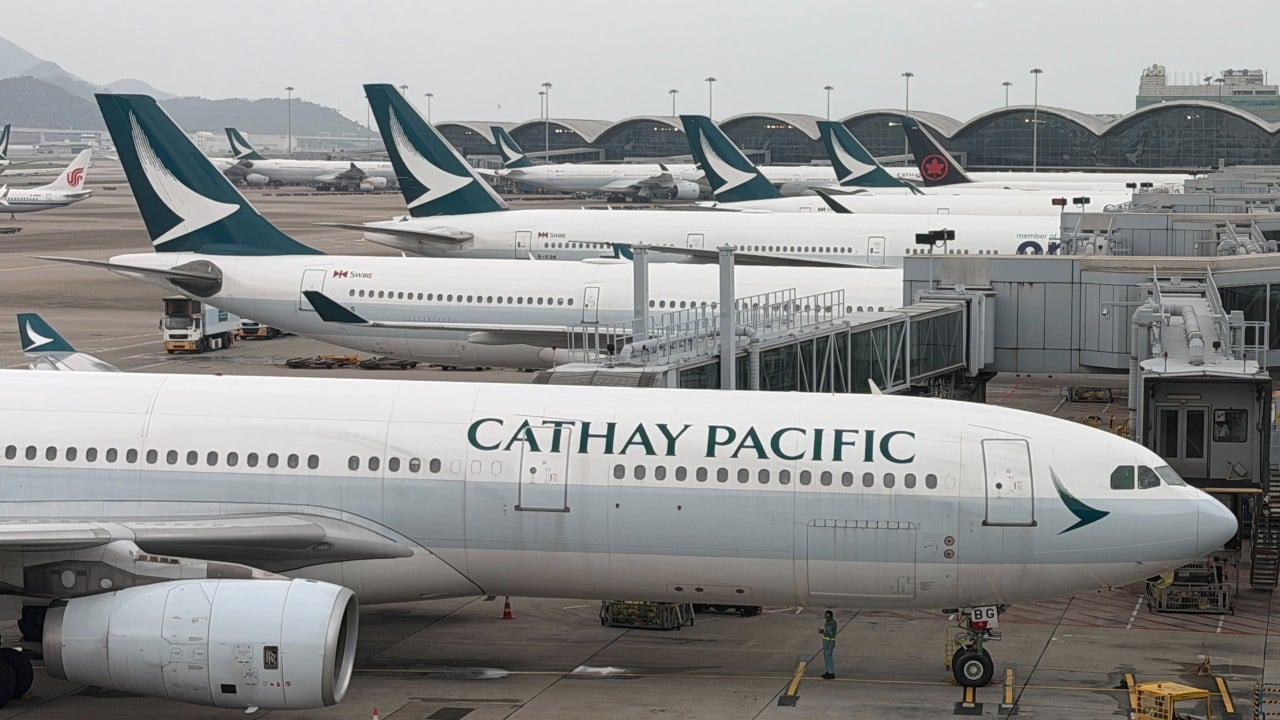
Cathay Pacific just dropped massive news into the aviation market. The airline committed to buying fourteen more Airbus jets. At the same time, total investment numbers smashed past HK$150 billion. If you think this is just standard corporate paperwork, you're missing the bigger picture. Airlines don't throw billions around for fun. They do it when they smell a complete shift in global travel demand.
Let's look at why this matters right now. Hong Kong's aviation hub took heavy hits over the past few years. Recovery hasn't been a straight line. Competitors across Asia have been fighting tooth and nail to steal transit passengers. By doubling down on massive fleet upgrades, Cathay isn't just surviving. They're making a calculated bet on long-term dominance. In related developments, take a look at: The Two-Dollar Home That Exposed China's Quiet Real Estate Surrender.
The Real Strategy Behind the Airbus Deal
Airbus won big here. Securing another fourteen aircraft order from a premier carrier like Cathay validates their widebody production strategy. These aren't regional hops. These are heavy-duty, fuel-efficient planes built for punishing long-haul routes.
Fuel costs eat airlines alive. Old planes bleed money. When an airline locks in multi-billion dollar fleet modernization, they're preparing for a world where environmental regulations tighten and profit margins shrink. Cathay understands this math. They need planes that fly further while burning less fuel per seat. Investopedia has also covered this important topic in great detail.
People always ask why airlines order planes years before they actually need them. Simple. Manufacturing slots are tighter than ever. Supply chain bottlenecks plague both Boeing and Airbus. If you want planes delivered by the end of the decade, you write the check today. Cathay is securing its spot in line before order books swell further.
Where the HK$150 Billion Investment Actually Goes
That HK$150 billion figure sounds abstract. It's easy to tune out massive numbers. Break it down, though. It touches every corner of the operation.
- Fleet expansion: New narrowbody and widebody aircraft arriving steadily.
- Cabin retrofits: Upgrading old business and economy seats to stay competitive with Middle Eastern carriers.
- Ground infrastructure: Modernizing lounge spaces and cargo handling facilities at Hong Kong International Airport.
- Staff training: Bringing pilots and engineers up to speed on next-generation aircraft tech.
Cathay isn't just buying metal wings. They are rebuilding their entire ecosystem. Passengers noticed the dips in service quality during the turbulence of recent years. Management knows it. Throwing money at physical assets is the loudest way to signal that the product is getting fixed.
What This Means for Global Aviation
The ripple effects extend far beyond Hong Kong. Cathay connects North America, Europe, and Southwest Pacific to mainland China and the rest of Asia. When they expand capacity, ticket prices face downward pressure. More seats mean airlines have to work harder to fill them.
Look at regional competitors like Singapore Airlines or Korean Air. They've been aggressive. Cathay's massive capital injection forces everyone else to keep pace. Stagnation is death in this industry.
You also have to watch the cargo side of the business. Cathay operates one of the biggest freight networks on earth. Many of these fleet strategies factor in belly-hold cargo capacity. When global supply chains shift, having modern, flexible aircraft ready to haul electronics, pharmaceuticals, and perishable goods keeps the revenue flowing even when tourist travel dips.
The Risks No One Wants to Talk About
Every major investment comes with baggage. Geopolitical tensions don't vanish overnight. Airspace closures, fluctuating oil prices, and shifting trade policies can turn a brilliant fleet strategy into an expensive headache.
Debt management is another tightrope. Pumping billions into capital expenditures means keeping a close eye on cash flow. If global economic growth slows down next quarter, high fixed costs bite hard. Cathay's leadership is betting that premium travel demand will remain resilient enough to absorb the hit.
How to Read Airline Moves as a Smart Traveler or Investor
If you want to track where the economy is moving, stop reading general economic forecasts. Watch what airlines spend their money on. When carriers buy long-haul widebodies, they expect executives and affluent vacationers to keep flying long distances for the next twenty years.
Don't get distracted by short-term turbulence or quarterly blips. Watch the multi-decade bets. Cathay just played its hand. The stakes are massive, and the rest of the industry is taking notes.