A thick cloud of black smoke billowed from the window of a high-rise residential apartment. Inside, flames were quickly chewing through the living room furniture. Outside, neighbors gathered, shouting and panicking, waiting for the fire trucks to navigate the crowded city streets. Then, a man in a bright delivery uniform pulled his scooter to the curb. He didn't hesitate. He ran straight into the burning building.
He didn't just go in once. He went in three times.
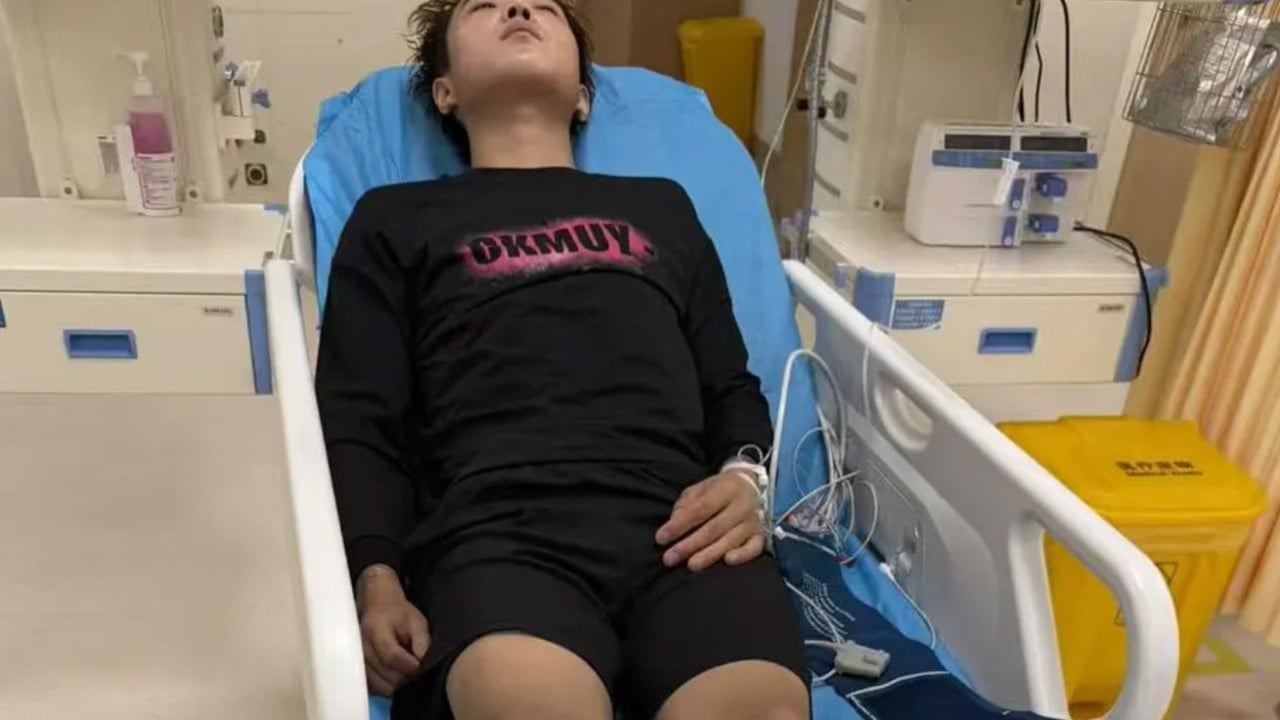
By the third time he emerged from the suffocating heat, the worst of the fire was suppressed, but the rider paid a heavy price. He collapsed on the pavement, gasping for air, his face covered in soot. This striking scene played out recently in China, capturing the attention of millions online. It forces us to look at a reality that goes far beyond a single act of bravery. It shows how China delivery riders have become the unofficial, accidental first responders of modern Chinese cities.
We see these drivers every single day. They zip through traffic on electric scooters, carrying warm meals and groceries to high-rises. They live by the second, punished by unforgiving algorithms for even a minor delay. Yet, when disaster strikes, these exact workers regularly drop their delivery boxes and risk their lives.
Understanding this phenomenon means looking at the raw mechanics of the Chinese gig economy and the sheer grit of the people who keep it running.
The Bravery Under the Smoke
Eyewitness accounts and local footage tell a terrifying story. The fire broke out unexpectedly, trapping residents and threatening to engulf an entire floor of the apartment complex. Before professional firefighters could arrive, the delivery rider spotted the smoke during his usual route.
Instead of turning away to protect his delivery metrics, he grabbed a fire extinguisher.
He ran up the stairs and plunged into the thick smoke. The heat was intense. The air was toxic. He emptied the first extinguisher, ran back down to grab another, and went back inside. He repeated this grueling cycle three times until the flames were manageable enough to prevent a total catastrophe. When he finally stumbled out into the fresh air for the last time, his body simply gave out.
Local residents rushed to help him, pouring water over his face and holding him up until medical personnel arrived. He was treated for severe smoke inhalation and exhaustion.
This isn't an isolated incident. Over the last few years, Chinese social media has been flooded with videos of delivery workers saving drowning children, stopping runaway vehicles, and tackling fires. They're everywhere, which means they see everything first.
Running into Danger While the Clock Ticks
To truly appreciate what it means for a China delivery rider to stop and fight a fire, you have to understand the brutal pressure they operate under. They don't have free time. Their entire working day is dictated by a rigid digital platform that calculates delivery routes down to the precise minute.
If a rider is late, they don't just get a bad review. They lose money.
The platform cuts their pay for that delivery, and repeated lateness lowers their internal rating, which means they get fewer lucrative orders in the future. For a worker trying to send money back to their family in a rural province, losing even a few yuan is a massive blow.
When this rider chose to enter that burning flat, he knew he was destroying his schedule for the day. He knew his current orders would be late, his customers might complain, and his earnings would take a hit. He chose human life over the algorithm. That decision is a profound statement about human decency overriding corporate pressure.
Why Delivery Workers Form the Real Safety Net of the Streets
Gig workers have become the eyes and ears of Chinese urban centers. Major platforms like Meituan and Ele.me employ millions of riders across the country. Because urban China relies heavily on instant delivery for everything from hot lunches to cold medicine, these riders permeate every square inch of a city.
They are in the alleyways, the elevator banks, the secure residential compounds, and the commercial hubs.
They notice the smell of gas before a resident does. They spot the first flicker of a kitchen fire through a window. They hear the cries for help in a secluded park. Because they are already moving at high speed throughout the community, their response time often beats traditional emergency services by those crucial first three to five minutes.
This creates an accidental network of community guardians. They aren't trained as firefighters, paramedics, or police officers. They don't wear protective gear. They just have a strong sense of civic duty and the physical stamina built from logging twelve-hour shifts on a scooter.
The Physical Toll and the Aftermath of Heroism
Collapsing from smoke inhalation is incredibly dangerous. The human respiratory system isn't designed to breathe in the toxic plastics and synthetic materials that burn inside a modern apartment. When a worker collapses like this rider did, they face potential long-term damage to their lungs and airways.
Hospital stays cost money, and missed workdays mean zero income.
Fortunately, public outrage and intense media coverage usually force the big delivery platforms to step up in these specific high-profile cases. In past incidents, companies have paid for the medical bills of heroic riders, awarded them cash bonuses, and even promoted them to managerial track positions. Local governments often award them titles like "Good Samaritan of the City."
But relying on a viral video to secure basic medical coverage and fair treatment isn't a real solution.
For every rider whose heroism goes viral, there are others who quietly help out, damage their scooters, miss their deliveries, and quietly absorb the financial loss because no one filmed it. The conversation needs to shift from praising individual heroism to fixing the systemic vulnerabilities these workers face.
Moving Past Praise to Real Structural Protection
We need to talk about what happens when the cameras turn off. The public loves a hero story because it makes us feel good about humanity, but it also allows us to ignore the tough questions about worker welfare.
If we want to support these workers, the platforms must implement automatic pauses on delivery penalties when a rider reports an emergency situation. A rider shouldn't have to worry about a robotic system docking their pay while they are busy dragging a neighbor out of a smoke-filled room.
Furthermore, basic emergency response and first-aid training should be integrated into the onboarding process for these massive fleets. Since these riders are already serving as the frontline defense of our cities, giving them the knowledge to stay safe while helping others could save lives, including their own.
Next time you see a delivery rider rushing past you on the sidewalk, remember that they aren't just delivering food. They are an essential part of the fabric of the neighborhood, carrying a heavy burden while remaining ready to risk it all for complete strangers.
If you want to make a difference today, start by showing patience when your delivery is a few minutes late. You never know what fire that rider might have stopped on the way to your door.