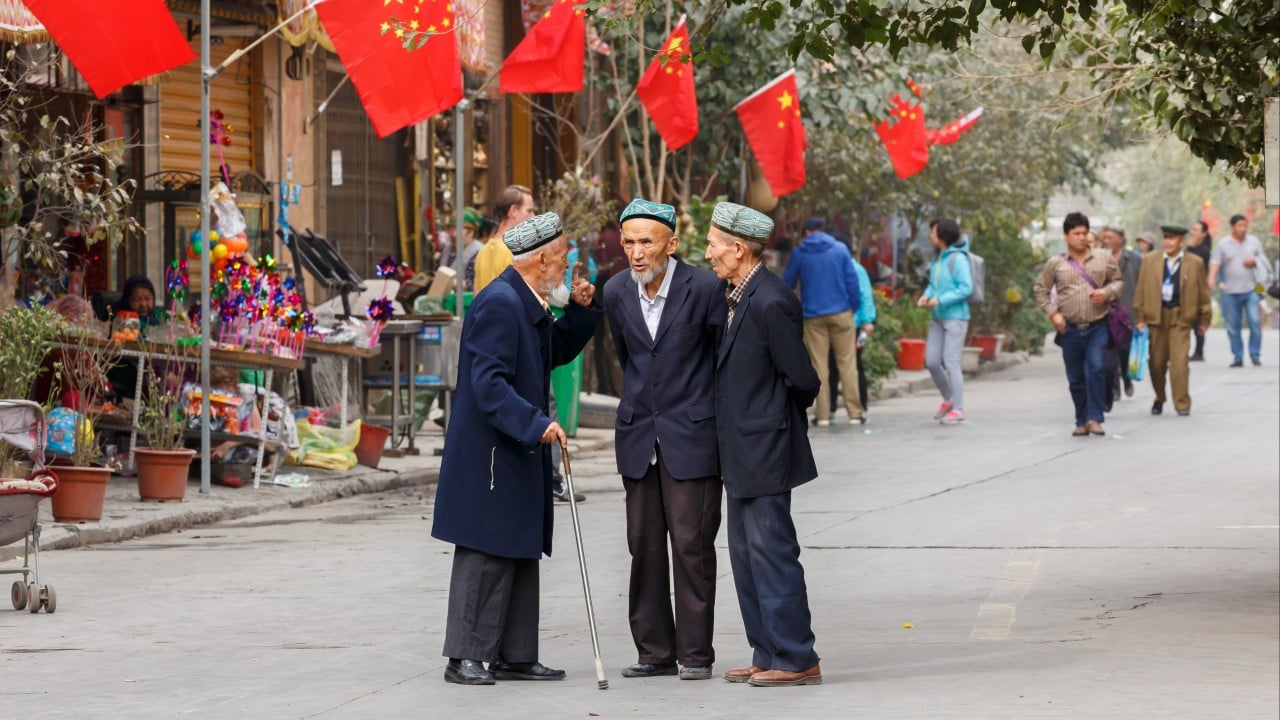
Beijing just extended its legal grip far beyond its own borders. On July 1, 2026, China's new Law on Promoting Ethnic Unity and Progress officially takes effect. It passed back in March, and it isn't just about managing domestic affairs. It explicitly targets people living outside of China. If you think your location protects you from Beijing's legal reach, you need to think again.
This legislation forces a mandatory, singular national identity. It criminalizes anything the ruling party decides harms social solidarity. Most importantly, it features an aggressive extraterritorial clause. Article 63 states that overseas individuals or organizations undermining national unity will face legal consequences. It's a direct warning to activists, researchers, and foreign citizens worldwide. Don't forget to check out our previous article on this related article.
The Extraterritorial Trap in Article 63
The state now has explicit legal backing to pursue critics anywhere on earth. Vice Justice Minister Hu Weilie defended the provision at a press conference, claiming it aligns with normal international practice. It doesn't. Most nations don't criminalize peaceful speech or political criticism occurring on foreign soil.
This law formalizes a system of long-arm enforcement. Think about the practical implications. If you post something online supporting Tibetan cultural rights or highlighting Uyghur issues from an office in Sydney or Taipei, Beijing now considers you a criminal. To read more about the context of this, NBC News offers an in-depth summary.
The immediate threats are real. Experts warn that individuals flagged under this law face sudden entry bans, financial sanctions, and intense business pressure. If you have manufacturing ties or family members remaining in China, you're instantly vulnerable. The state can freeze local assets or squeeze business partners to silence you abroad.
Why Taiwan and Australia Are Sounding the Alarm
Taiwan stands directly in the crosshairs of this legislation. The text specifically mentions building a stronger sense of Chinese identity among Taiwanese people. Mainland Affairs Council officials point out that the law creates a brand new weapon to label ordinary Taiwanese citizens as separatists. A simple social media comment about Taiwan's independence can now trigger criminal liability under Chinese law.
The anxiety is spreading globally. The Australian Department of Foreign Affairs and Trade recently took the unusual step of raising concerns about the law directly at the UN Human Rights Council. Australian officials openly worry about the safety of their citizens, particularly diaspora communities. Rights groups like the Australia Tibet Council are actively calling for stronger government interventions.
The reach of this law relies on intimidation and cooperation. Beijing has historically used Interpol red notices to hunt political targets. While democratic countries rarely extradite individuals for political speech, the mere existence of an active warrant makes international travel dangerous. A layover in a country with close ties to Beijing could result in detention and extradition.
Complete Ideological Control From Classrooms to Corporations
Inside China, the law transforms everyday life into a forced assimilation experiment. It mandates that schools, internet service providers, companies, and families actively teach the Communist Party's ethnic policies.
Parents bear a heavy legal burden. The law dictates that families must provide a state-approved education. It explicitly bans parents from teaching children anything deemed harmful to ethnic unity. If a minority family tries to preserve their native language or distinct religious traditions at home, they violate the law.
- Internet Service Providers must instantly block and delete any content that might cause ethnic division.
- Mass Organizations and Businesses have to implement mandatory cultural unity programs within the workplace.
- Local Governments must build integrated community environments that pressure different ethnic groups to live, study, and work together.
The state actively encourages intermarriage between the Han majority and ethnic minorities, barring anyone from opposing these unions on cultural grounds. This isn't about harmony. It's a systematic erasure of distinct cultural identities under the guise of progress.
How to Protect Yourself and Navigate the Risk
You can't control what laws Beijing passes, but you can alter how you manage your data, travel, and public footprint. If your work or activism involves Chinese regional politics, you must treat your security with absolute seriousness.
Audit your digital footprint immediately. Scrub identifying details from public forums if you regularly discuss sensitive regional topics. Avoid traveling to nations that maintain active extradition treaties with China if you've been vocal online.
Review all corporate and academic ties. If you run an organization or a business employing people inside China, realize that your overseas statements can trigger sudden regulatory crackdowns on your local staff. Seemingly harmless commentary now carries severe, real-world operational danger. Keep political speech separated entirely from corporate channels to protect vulnerable teams on the ground.