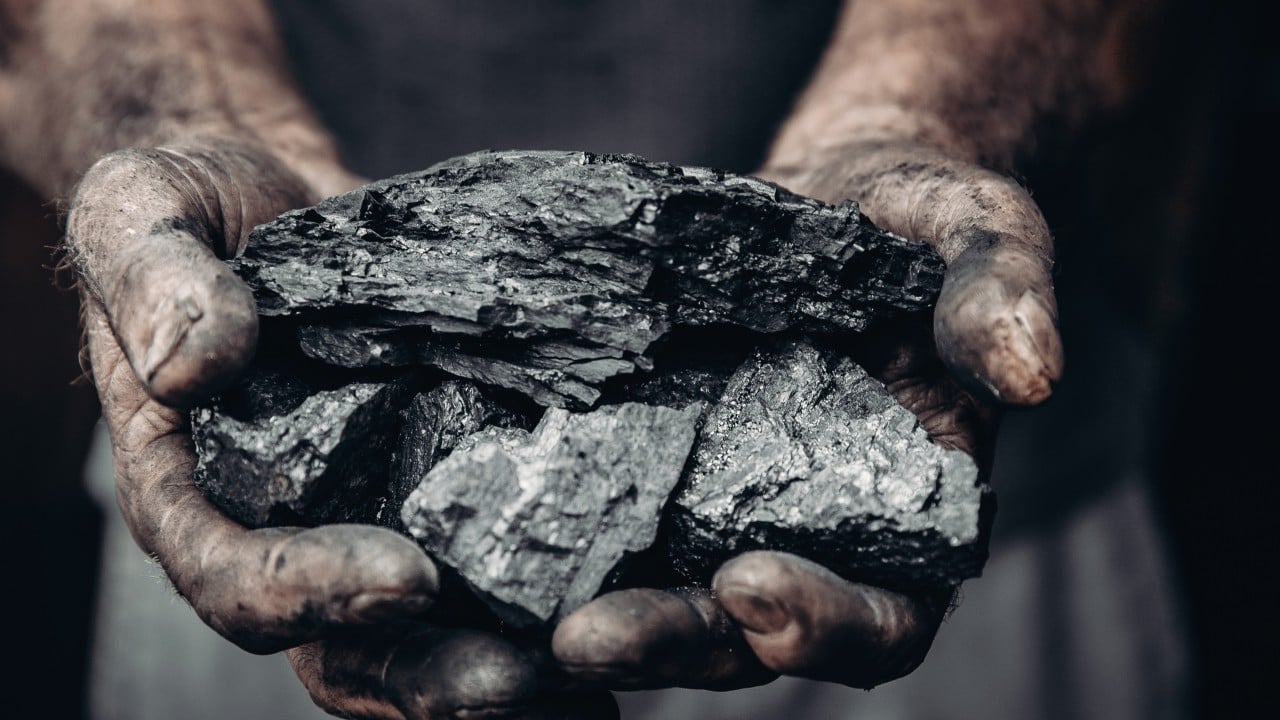
China burns more coal than the rest of the world combined. That leaves behind a terrifying mountain of solid waste every year, mostly in the form of coal gangue and fly ash. For decades, the solution was simple: dump it in a pile and look the other way.
Those days are over. In northwest China, massive industrial facilities are quietly changing the strategy. Instead of letting toxic gray dust blow across the plains, these plants take industrial coal waste and transform it directly into construction-grade sand.
It sounds like alchemy, but it's pure engineering. It might just be the missing piece in the country's push toward a zero waste grid.
The Toxic Mountain Nobody Wanted to Touch
When you burn coal for electricity, you don't just get power. You get fly ash. When you mine coal, you pull up coal gangue, a hard, carbon-poor rock that is completely useless for fuel. China produces hundreds of millions of metric tons of this stuff annually.
Historically, these byproduct mountains caused massive headaches. Wind turned them into toxic dust storms. Rain leached heavy metals into local groundwater tables. The traditional fix was to build earthen dikes around the ash piles, but a heavy rainstorm could wash those barriers away in minutes, poisoning downstream agriculture.
At the same time, China faces another quiet crisis: it's running out of river sand.
Urbanization requires concrete, and concrete requires sand. Not just any sand—desert sand is too smooth and round to bind properly. You need sharp, angular aggregate found in riverbeds. Dredging rivers for this sand destroys aquatic ecosystems and ruins water quality.
The brilliance of the waste-to-sand plant is that it solves both problems simultaneously. It eats the toxic industrial waste piling up at power stations and spits out the exact structural aggregate needed by the construction boom.
Inside the High-Tech Separation Process
Turning industrial sludge and rock into clean building material isn't as simple as running it through a crusher. The process requires a heavy dose of chemistry and mechanical engineering to ensure the final product won't leach hazardous chemicals into a suburban apartment building.
The raw coal gangue and ash go through a multi-stage thermal and density separation system. Pulsating jigs and density separators isolate the residual carbon from the heavy minerals. The remaining mineral fraction is fired at high temperatures, driving off volatile organic compounds and fusing the microscopic particles into larger, stable grains.
The resulting synthetic sand has an angular structure identical to the highest quality river aggregate. Even better, testing shows that the heavy metals present in the raw fly ash become chemically locked inside the crystalline structure of the sand. They can't leach out into the environment, even under acidic conditions.
Researchers at institutions like the State Key Laboratory of Coal Combustion have tracked these materials closely. The treated solid waste is even being used to reconstruct soil profiles in abandoned polymetallic mining sites and to neutralize heavily saline-alkali land along northern Chinese river basins. The heavy metal content in the restored soil actually drops over time because the synthetic matrix binds the toxins so effectively.
Why Scale is the Only Metric That Matters
Western critics often look at China’s massive environmental projects as isolated public relations stunts. They point to boutique recycling programs or single showcase eco-parks. That misses the entire point of how the industrial policy works here.
This isn't a pilot program meant to look good in a corporate brochure. It is a highly subsidized, legally mandated structural shift. Under recent environmental regulations, coal operators face steep penalties for adding to raw surface waste piles. At the same time, the national government provides financial incentives for infrastructure projects that use recycled industrial aggregates.
By integrating these waste-to-sand facilities directly with existing coal-fired power hubs, operators cut transportation costs to near zero. The waste goes from the furnace to the processor via conveyor belts. The economics only work because of this brutal, massive scale.
The Complications We Cant Ignore
Let's be realistic. This process isn't perfectly green, and pretending it solves the broader climate dilemma is foolish.
Firing fly ash and gangue to stabilize it requires significant energy. While some plants use the residual carbon trapped in the waste to fuel the process, it still produces localized carbon emissions. You are essentially using a fossil-fuel-adjacent process to clean up a fossil-fuel mess.
There is also the question of long-term structural integrity. While laboratory tests show that synthetic sand binds beautifully in concrete, construction firms are notoriously conservative. Convincing structural engineers to trust a high-rise foundation built on former coal ash takes time, strict national standardization, and years of field data.
How to Apply These Industrial Insights Today
If you run an industrial operation, manage municipal waste, or invest in green infrastructure, you don't need to wait for a state-subsidized mega-plant to use these principles. The shift toward a circular economy provides immediate takeaways.
- Audit Your Waste Chemistry: Stop viewing your byproducts as trash. Analyze their mineral content. Many industrial slags and ashes are rich in silicates and aluminums that can replace raw quarried materials.
- Colocate Processing: The biggest cost in recycling is moving heavy material. If you can process your waste within a mile of where it's generated, the economics change completely.
- Target High-Value Submerged Markets: Don't just try to make cheap filler block. Look at specific engineering problems in your region, such as soil erosion, saline soil remediation, or specialized structural aggregates.
The true value of these waste-to-sand facilities isn't just that they clean up a single coal field. They prove that with enough scale and engineering willpower, you can turn a national ecological liability into a critical resource.
This video breaks down how modern industrial systems transform urban and industrial waste into usable grid power and secondary building materials, highlighting the exact engineering shifts driving these massive infrastructure changes.
The Art of Governance: How China turns trash into clean energy