The air inside the luxury suite in Doha does not move. It is conditioned to a precise, chill perfection, a stark contrast to the blinding Qatari heat pressing against the glass outside. On the table sit two bottles of water, untouched. Across from each other, men in sharp Western suits and men in meticulous diplomatic attire stare at a draft treaty. They are speaking about billions of dollars frozen in foreign bank accounts. They are speaking about the precise width of a shipping lane in the Persian Gulf.
But what they are actually trading is time. And elsewhere, people are running out of it.
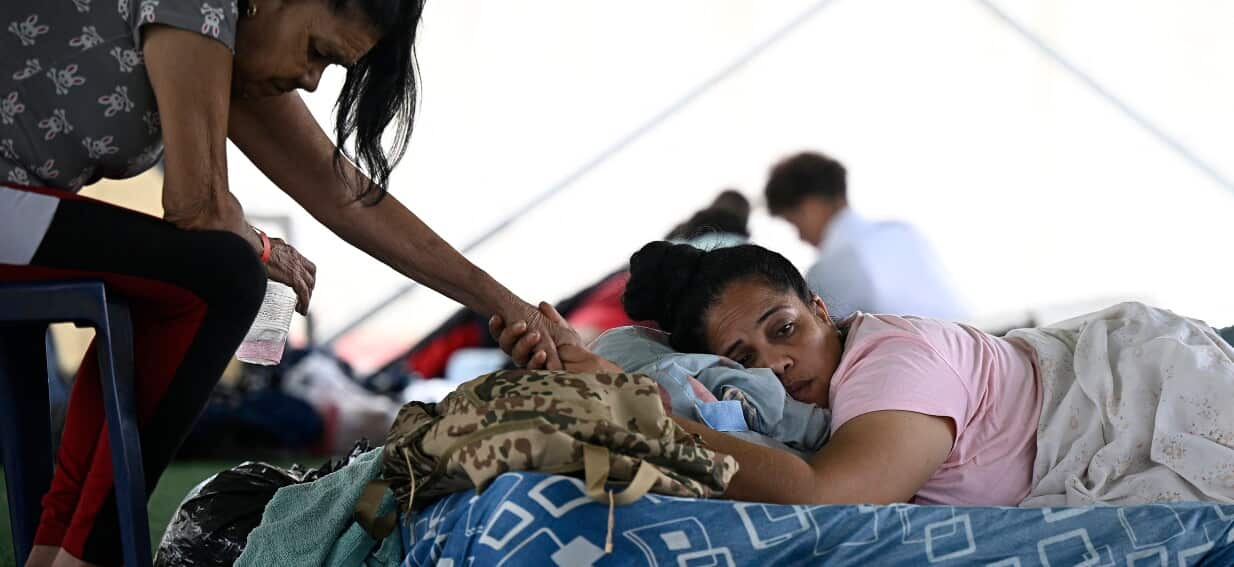
To understand what just happened in the latest round of US-Iran proxy talks, you have to look away from the diplomatic press releases. You have to travel roughly twelve hundred miles northeast, to a cramped apartment in Tehran, where an elderly woman named Farideh waits for her heart medication. The pharmacy shelves are empty of the Western-manufactured beta-blockers she has taken for a decade. Her son spent his entire weekly salary on the black market for a single blister pack.
The connection between that quiet room in Tehran and the chilled diplomatic suite in Doha is direct, mathematical, and brutal.
When diplomats argue over "frozen funds," they are arguing over the valve that controls the flow of everyday life for eighty-five million people.
The Arithmetic of the Strait
Geopolitics often feels abstract until you look at a map and realize the entire global economy relies on a single, fragile neck of water.
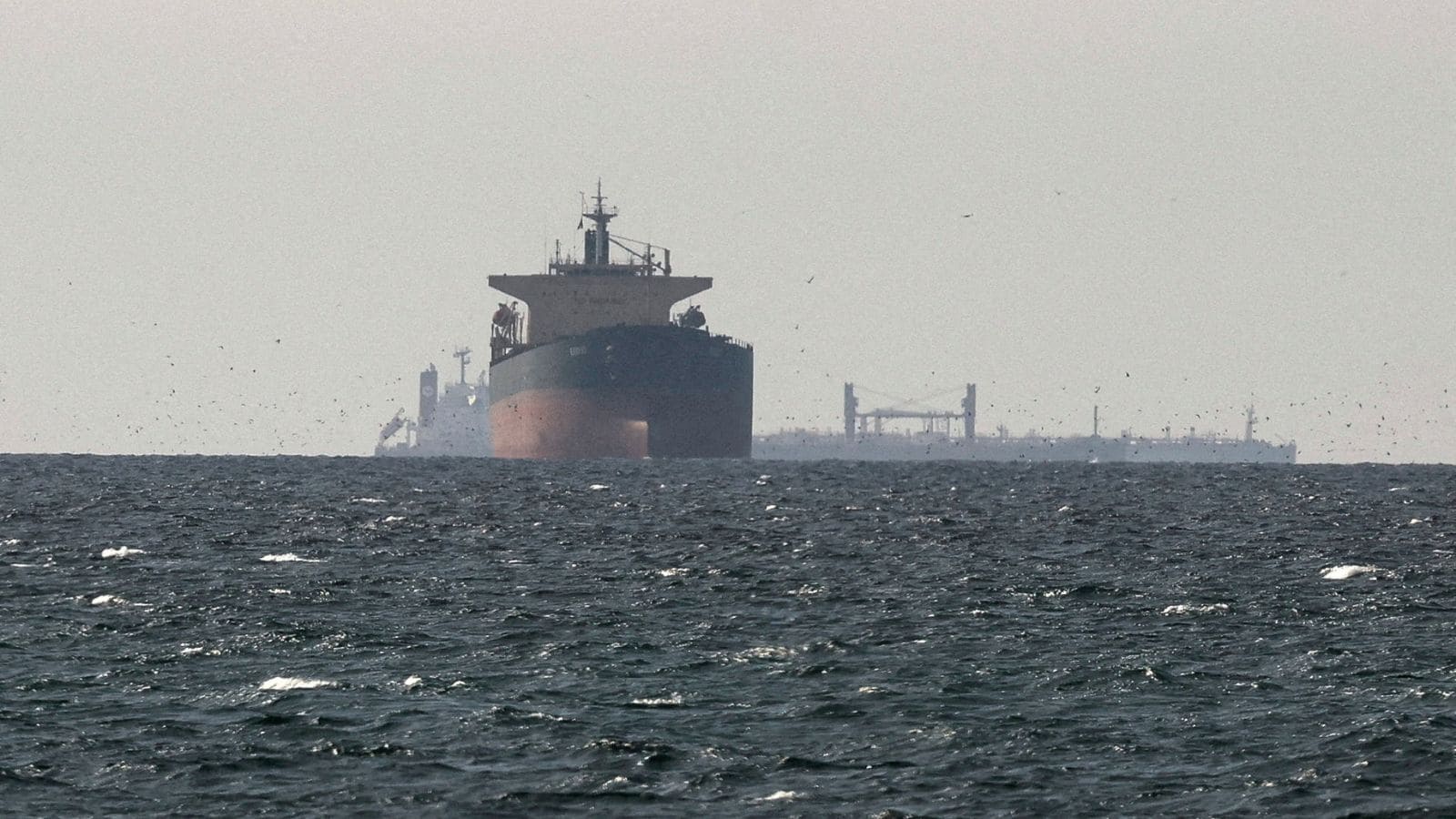
The Strait of Hormuz is a crescent of sea squeezed between Iran and Oman. At its narrowest point, the shipping lanes are only two miles wide. Think of it as a two-lane highway responsible for carrying one-fifth of the world’s petroleum every single day. If that highway closes, the shockwave hits a gas station in Ohio within forty-eight hours. It hits a manufacturing plant in Tokyo by the next morning.
During the Doha rounds, this strip of water sat on the table like an unexploded bomb.
For the American delegation, ensuring the unhindered flow of supertankers through the Strait is a non-negotiable red line. For the Iranian delegation, the Strait is their ultimate leverage—a economic choke point they can threaten to squeeze whenever Western sanctions become unbearable.
Imagine a negotiation where one party holds a match and the other is standing in a room covered in gasoline. That is the baseline tension of these talks. The Americans demand maritime security. The Iranians demand their money back.
The Ledger of Frozen Wealth
The phrase "frozen assets" sounds clinical. It evokes images of digital numbers sitting harmlessly in a bank vault, waiting for a key to turn. The reality is far more chaotic.
Six billion dollars here. Seven billion dollars there. This is Iranian oil revenue trapped in South Korean, European, and Qatari banks due to unilateral US sanctions. To the US government, these funds are a carrot—a massive financial reward to be dangled in exchange for nuclear concessions and a halt to regional drone strikes. To Iran's leadership, the freezing of these funds is an act of economic warfare that has crippled their currency and sent inflation skyrocketing past forty percent.
Consider the mechanics of a currency collapse. When a nation cannot access its foreign reserves, its money loses value by the hour.
A baker in Isfahan wakes up at dawn. The flour he bought yesterday costs twelve percent more today. He must raise the price of his bread, but his customers are earning the same wages they did three years ago. He watches his lifetime of savings evaporate into thin air, not because of anything he did, but because diplomats in Washington and Tehran are playing a high-stakes game of chicken.
The Doha talks were supposed to find a mechanism to unlock some of these funds for humanitarian goods. Food. Medicine. Agricultural equipment. But every time a deal gets close, the mechanics break down. Who monitors the accounts? How do you ensure the cash goes to pharmacies instead of regional militias? Trust is a bankrupt currency in this room.
The Interruption
Then, the music stopped.
Just as the two sides were grinding toward a tentative framework on the maritime lanes, a black-bordered announcement flashed on the delegates' phones. A high-ranking state funeral demanded the immediate return of the Iranian delegation to Tehran.
In diplomacy, a sudden pause is rarely just a pause. It is a breath. It is a moment for both sides to return to their capitals, show the progress to their hardline factions, and gauge whether they will be politically crucified for compromising.
The talks concluded with a polite, sterile joint statement. Discussions will resume after the funeral.
But while the diplomats fly home on private transports, the clock does not stop for Farideh. It does not stop for the tanker captains navigating the tense, heavily militarized waters of the Gulf, wondering if an Iranian revolutionary guard speedboat will shadow them tomorrow.
The True Cost of Delay
We tend to view international relations as a grand chess match played by brilliant strategists. That is a comforting myth. The truth is much messier, driven by fear, domestic political survival, and profound mistrust.
The US administration cannot afford to look soft on Iran ahead of an election cycle. The Iranian regime cannot afford to look like it is bowing to American imperialism while dealing with internal dissent. So, they sit in Doha, exchanging carefully worded papers, while the real world bleeds out in the margins.
The true cost of these stalled talks isn't measured in the diplomatic points scored or the oil prices that tick up a fraction of a percent on the New York Mercantile Exchange.
It is measured in the quiet desperation of families who cannot afford meat. It is measured in the anxiety of a global supply chain that is always one miscalculation away from a catastrophic conflict in a two-mile-wide channel of water.
The delegates will return to Doha. The air conditioning will be just as cold. The water bottles will remain untouched. They will argue over the same paragraphs, the same funds, the same coordinates in the sea. They will treat it as a puzzle to be solved.
Meanwhile, outside the glass, the world keeps spinning, waiting to see if the people in the room will find a way to cooperate before the match meets the gasoline.