The rain in western Uganda does not just fall. It walls you in. In the Bundibugyo district, where the Rwenzori Mountains wrinkle the border with the Democratic Republic of Congo, the downpours turn the red earth into a thick, gripping clay. When the mud takes hold of a vehicle, you stop. You wait.
In the medical isolation tents that sprout in these remote clearings during an outbreak, waiting is the one thing no one can afford. Yet, it is exactly what the scientific world is forcing health workers to do. If you liked this article, you might want to read: this related article.
We often talk about virus outbreaks as if they are battles fought with lightning speed. We visualize scientists in sleek Western laboratories snapping containers into centrifuges, deploying miracle vials to the frontlines overnight. The reality is much slower, much lonelier, and dictated by a calendar that refuses to be rushed.
Right now, a specialized vaccine designed to target the Bundibugyo strain of the Ebola virus is sitting behind glass. It works in theory. It has passed early checkpoints. But between that vial and the arm of a vulnerable person in a rainforest village lies a gulf of several months. Human trials have not yet begun. In the arithmetic of epidemiology, those months are not just blocks of time on a spreadsheet. They are a window of profound vulnerability. For another perspective on this story, refer to the latest update from WebMD.
To understand why a vaccine takes months just to reach the starting line of human testing, we have to look past the headlines and into the frustrating, meticulous machinery of biological safety.
The Specificity of a Killer
Ebola is not a single entity. It is a family of shape-shifters. When people hear the word, they usually think of the Zaire strain—the devastating variant responsible for the massive West African epidemic between 2014 and 2016, and the one that rears its head frequently in the Congo. Because the Zaire strain caused the most terror, it received the lion’s share of global research funding. We built a shield for it. The Ervebo vaccine exists, it works, and it saves lives.
But the Bundibugyo strain is a different beast entirely.
Discovered in 2007 after a mysterious spike in hemorrhagic fevers in the region that gave it its name, the Bundibugyo virus shares structural similarities with its Zaire cousin, but its genetic coat is distinct. Think of it like a lock and key. The Zaire vaccine is a masterfully crafted key, but it cannot turn the tumblers inside the Bundibugyo lock. If an outbreak of this specific strain gains momentum tomorrow, the existing stockpiles of Zaire vaccine are essentially useless.
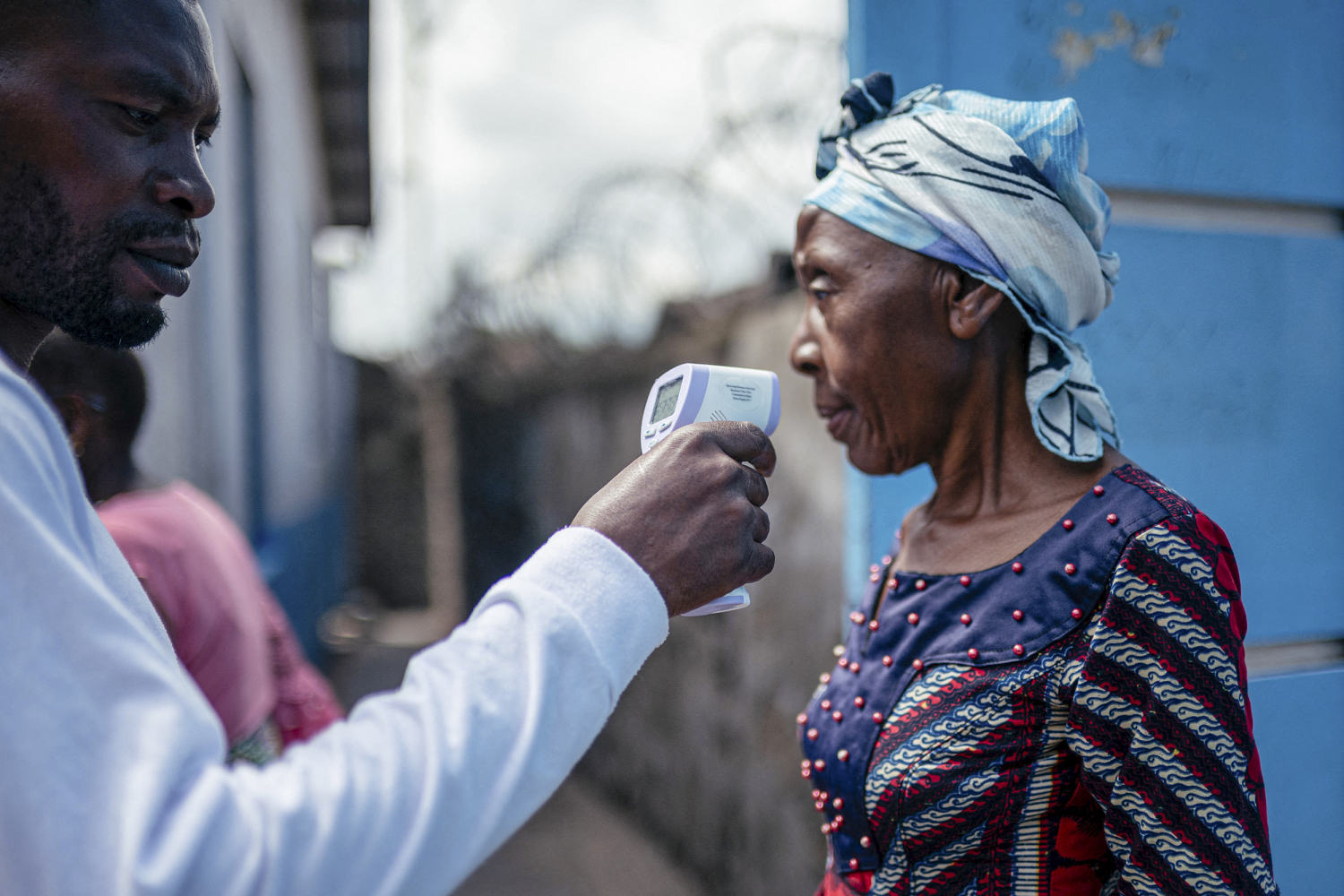
Hypothetically, let us imagine a clinician named Florence. She works in a rural clinic near the hills of western Uganda. A patient comes in with a high fever, severe headache, and abdominal pain. It looks like malaria. It always looks like malaria at first. But then the bleeding starts. Florence knows that if this is the Bundibugyo strain, roughly 30 to 40 percent of the people who contract it will die. She also knows that unlike her colleagues who battled Zaire outbreaks a few years ago, she cannot offer her staff or the patient’s family an immediate protective shot.
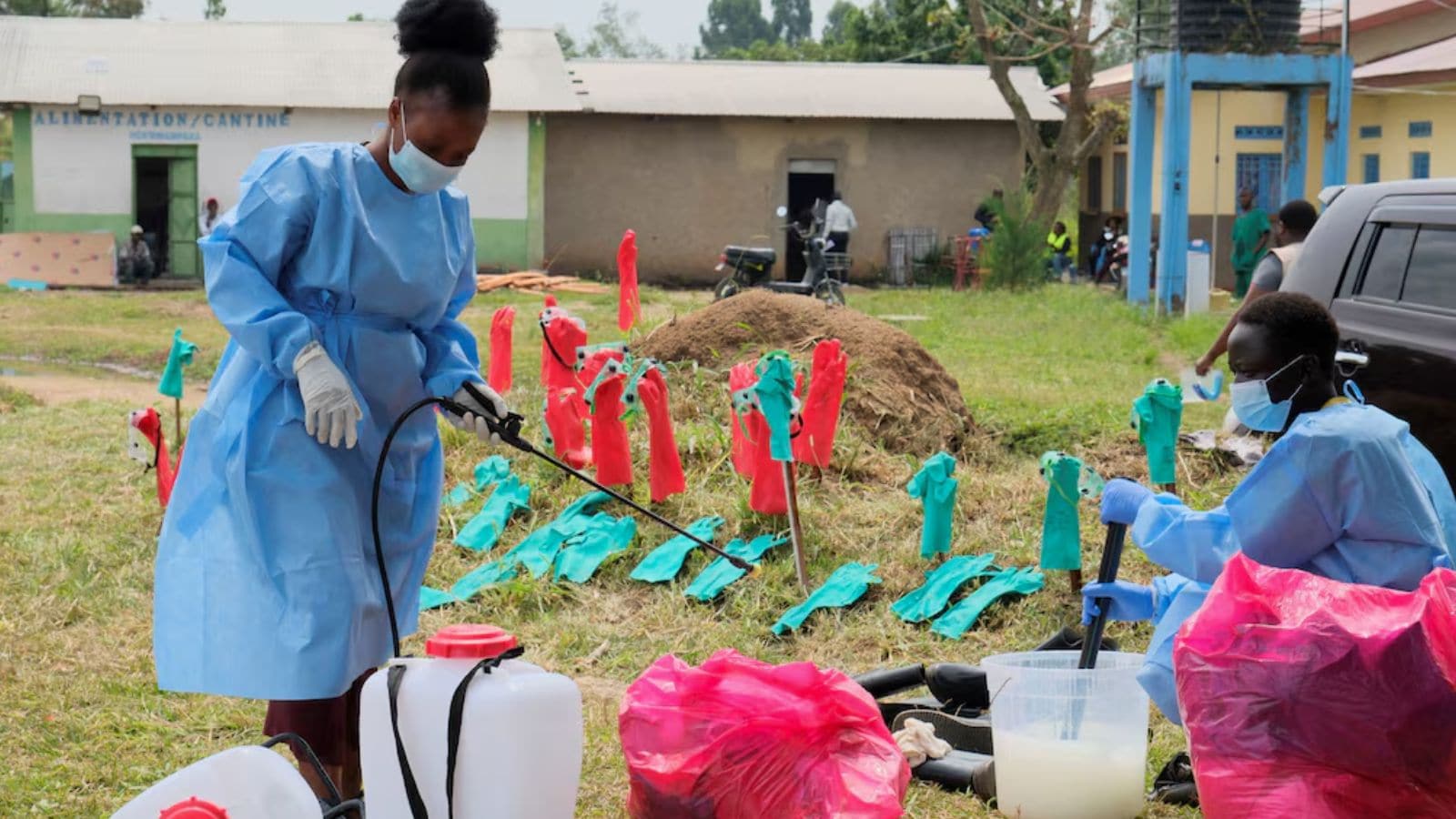
She has to rely on isolation, thick plastic suits that turn into saunas within twenty minutes, and hope.
The science behind creating a specific vaccine for Florence’s patients is already advanced. The candidate vaccine exists. It has been engineered, manufactured in small batches, and validated in animal models. The bottleneck is not the brilliance of the geneticists. The bottleneck is the human trial phase.
The Invisible Gatekeepers of the Human Body
Why can we not just ship the experimental doses to Florence’s clinic and offer them to volunteers? It is an understandable temptation. When a lethal virus is lurking in the undergrowth, bureaucratic caution can feel like a bureaucratic crime.
The hesitation is grounded in a hard truth: an unsafe vaccine given to a desperate population can destroy public trust for a generation.
Before a vaccine can be injected into a single person in an outbreak zone, it must undergo Phase 1 clinical trials. This is where the clock slows down to a crawl. These trials do not test if the vaccine works against the virus. They test if the vaccine is safe for a healthy human being.
Consider the logistics involved in this phase. Scientists must recruit a small cohort of healthy volunteers, usually in a country where the virus is not currently spreading, to ensure no outside variables confuse the data. These volunteers are given varying doses. Then, the observation begins.
Doctors do not just look for immediate allergic reactions. They monitor these individuals for weeks, then months. They draw blood at precise intervals to see how the immune system responds. Does the body produce antibodies? Do those antibodies last? Are there delayed side effects that only manifest after forty-five or sixty days?
You cannot speed up human biology. You cannot force a white blood cell to mature faster. You cannot compress a two-month observation window into two weeks without rendering the data blind. If you cut that corner, you risk missing a rare but serious adverse effect. If that effect occurs during a real-world deployment in a tense, frightened community, the rumor mill will outpace the virus. People will stop coming to clinics. They will hide their sick. The outbreak will explode.
So, the scientists wait. The regulatory boards review the data from week four, week eight, week twelve. Papers are signed. Ethics committees convene. The months tick away.
The Paradox of the Empty Forest
There is another, deeper irony embedded in the development of vaccines for rare filoviruses like Bundibugyo. It is the paradox of the quiet period.
To prove a vaccine truly protects people, you eventually have to test it where the virus is actively circulating. This is Phase 3. You vaccinate a group of high-risk individuals—such as frontline healthcare workers or the family members of a sick person—and compare their infection rates to those who haven’t received it yet.
But the Bundibugyo strain is sporadic. It appears, wreaks havoc, and then retreats back into its mysterious animal reservoir, likely hidden deep within the local bat populations. It has not caused a major documented outbreak in years.
This leaves vaccine developers in a strange limbo. If they launch a human trial during a period of tranquility, they can prove the vaccine is safe, but they cannot definitively prove it prevents the disease in the wild, because no one in the trial is being exposed to it.
This means the months leading up to the human trials are spent playing a high-stakes game of geographic chess. Manufacturers must prepare trial sites in countries that are historically vulnerable, setting up cold-chain refrigeration networks capable of keeping vaccines at ultra-low temperatures in places where the electricity grid is a luxury. They must train local nurses and data collectors. They must build relationships with village elders so that if the virus does wake up, the trial machinery can spring into action within days.
All of this infrastructure takes months to assemble. It requires millions of dollars for a disease that might not strike again for a decade, or might strike tomorrow morning. It is an investment in a fire department for a town that isn't currently burning.
The Weight of the Wait
Standing in a laboratory in Geneva or Atlanta, a delay of six to nine months before human trials begin sounds like standard operating procedure. It is framed as an unavoidable timeline for rigorous peer review and regulatory compliance.
But if you are standing in the red mud of Bundibugyo, that same period feels like an eternity.
The people living along the border slopes understand the stakes intimately. They remember the empty chairs from previous outbreaks. They know that when Ebola comes, it tears through families because it exploits human love. It is transmitted through the care given to a dying child, or the washing of a parent's body before burial. The virus turns compassion into a vector.
A vaccine is the only tool that can sever that link, allowing people to care for the sick without signing their own death warrants.
The candidate vaccine for the Bundibugyo strain will eventually reach human skin. The protocols will be approved, the volunteers will complete their observation periods, and the vials will be cleared for shipping. The science is moving forward, stubborn and precise, refusing to take shortcuts that could compromise its integrity.
Until then, the red roads of western Uganda remain quiet. The mountain mist hangs low over the trees. The researchers continue to monitor their test tubes, counting down the weeks, while the communities in the shadow of the Rwenzoris live with the knowledge that the shield they need is real, it is ready, and it is still months out of reach.