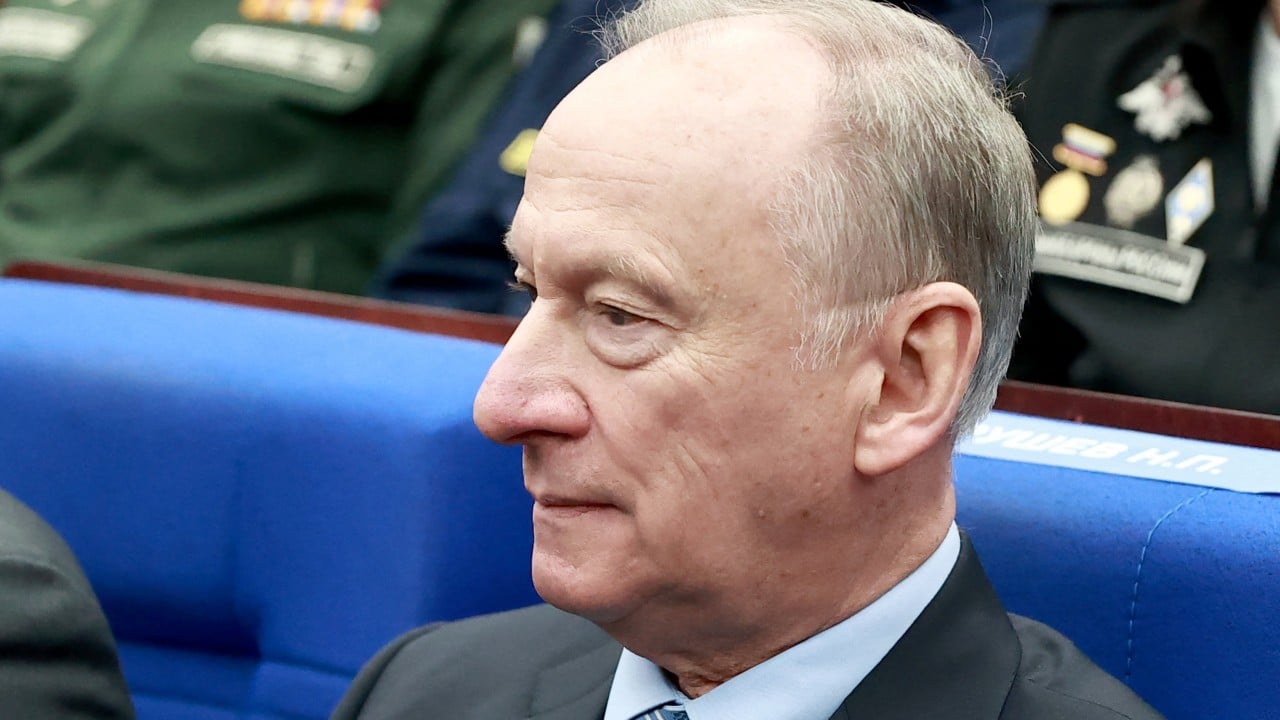
Diplomacy rarely operates in the open. When a senior Kremlin aide boards a flight for Beijing amid swirling rumors of a potential summit between Vladimir Putin, Xi Jinping, and Donald Trump, observers focus on the wrong details. They track flight paths and count press briefings. They miss the structural reality of modern great power competition.
Moscow and Beijing are not merely reacting to Western political volatility. They are actively engineering an alternative security and economic architecture designed to insulate their state interests from external shocks. For a different look, see: this related article.
The underlying mechanics of this diplomatic maneuver reveal a calculated response to shifting global leverage. When high-level envoys travel quietly between capitals, the agenda extends far beyond photo opportunities or exploratory talks. Economic statecraft, sanctions evasion networks, and bilateral trade optimization form the bedrock of these discussions. Western sanctions forced Russia to look east with unprecedented urgency. Beijing absorbed the influx of discounted energy resources while quietly expanding its renminbi settlement infrastructure.
Yet, the prospect of a trilateral or bilateral realignment involving a returning American administration changes the calculus entirely. Leaders in Beijing and Moscow understand that American foreign policy operates on transactional imperatives. A potential negotiation table involving Trump introduces both risk and opportunity. For Xi Jinping, managing the triangular relationship between Washington, Moscow, and Beijing requires a delicate balancing act. China wants a weakened Western resolve against its regional ambitions, but it cannot afford a destabilized Russian federation that drags Beijing into secondary economic penalties. Similar reporting on this matter has been published by The Guardian.
Historical precedent highlights the fragility of these alignments. The Sino-Soviet split proved that ideological solidarity dissolves quickly under the weight of divergent national priorities. Today, Russia occupies the role of the junior partner in the relationship, a reality acknowledged privately in diplomatic circles even as public declarations emphasize limitless friendship. Moscow needs Beijing's industrial capacity and consumer market more than Beijing needs Russian raw materials, a structural imbalance that limits Russian autonomy.
When a Kremlin aide arrives in Beijing, the discussions center on managing this asymmetrical interdependence. They must coordinate messaging ahead of potential American overtures. If Washington attempts to peel Moscow away from Beijing through promises of sanctions relief or partitioned spheres of influence, Russian leadership must weigh the short-term economic gains against the long-term existential hazard of alienating its primary eastern anchor.
Sanctions architecture remains the silent third party in every room. Financial institutions in neutral jurisdictions now operate under intense scrutiny from Western regulators. Secondary sanctions compliance forced intermediate economies to reevaluate their exposure to Russian trade routes. Consequently, Beijing and Moscow are doubling down on alternative payment rails, digital currency frameworks, and non-dollar bilateral settlement systems. These measures are not temporary workarounds; they represent the permanent fragmentation of the global financial order.
The political theater surrounding a potential summit masks the hard-nosed pragmatism driving these diplomatic exchanges. Leaders do not gather for summits out of goodwill or personal rapport. They meet when mutual vulnerability demands formal coordination.
The immediate future will test the resilience of this Eurasian axis. As political landscapes shift across Western capitals, the pressure on non-Western coalitions will intensify. Moscow and Beijing understand that unity is their primary shield against containment. Their diplomatic maneuvers are designed to preempt Western divide-and-conquer strategies before they materialize on the world stage. The aide's visit to Beijing was not a reaction to a rumor. It was an installment in a protracted, methodical realignment of global power that will define the coming decade.



