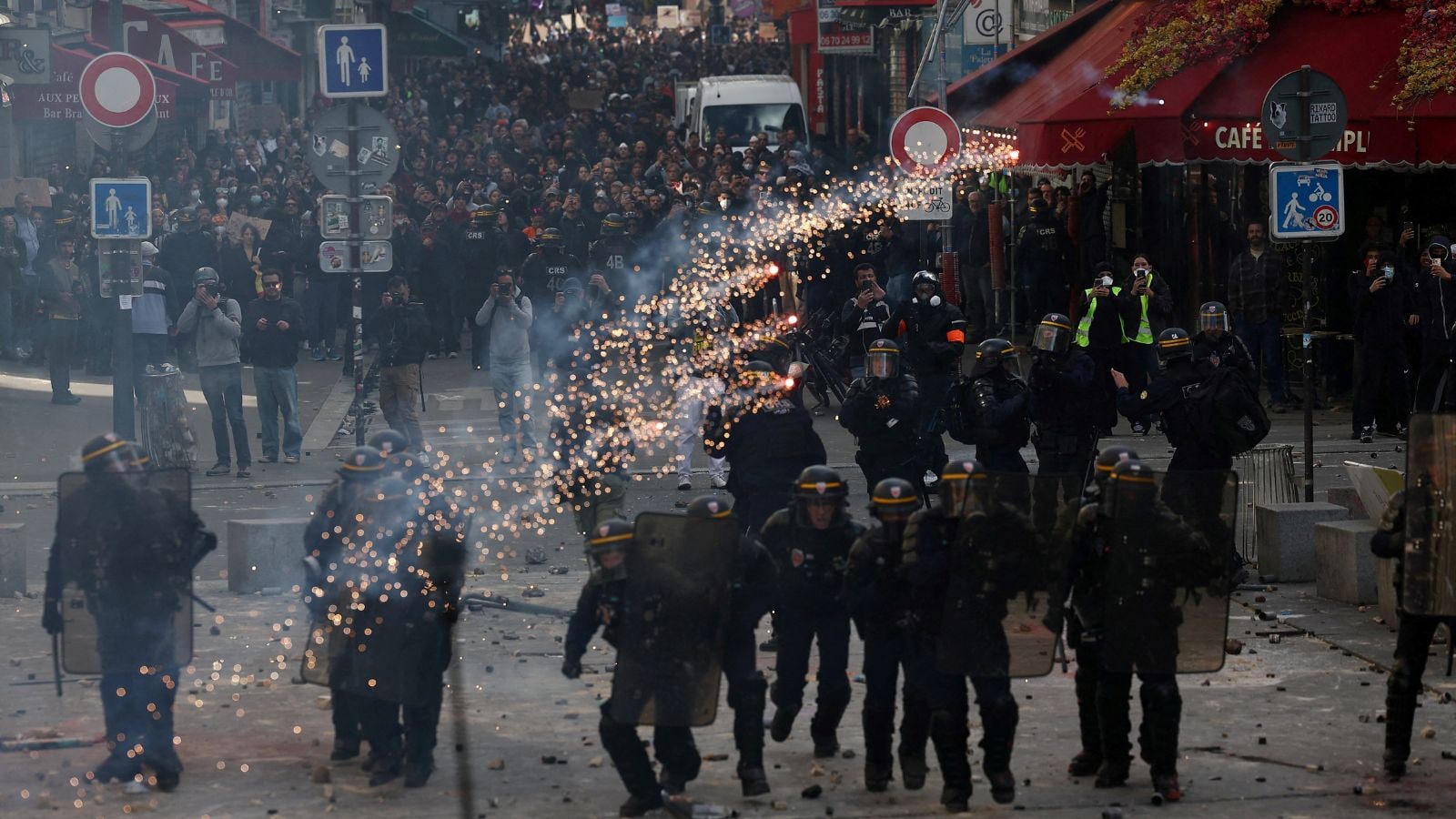
Cost of living protests in Milan and Paris have stopped looking like ordinary marches and started looking like recurring street battles. When thousands of people pour into European avenues over expensive groceries, sky-high rents, fuel bills, and strained public services, tensions don't just simmer. They boil over into tear gas, water cannons, shattered shopfronts, and hundreds of arrests.
If you're trying to figure out why these demonstrations keep spiraling into clashes with police, the honest answer is that economic frustration and political distrust are colliding at once. People aren't just angry about prices going up. They're angry that governments feel distant, wages feel stuck, and peaceful marches keep getting hijacked by violent fringe groups. Don't miss our recent article on this related article.
What Is Actually Driving the Unrest in Both Cities
At street level, the spark is painfully simple. Households in both France and Italy have spent months feeling squeezed by everyday expenses—food, energy, housing, and school or university costs—while public infrastructure shows wear and tear. When unions in France rejected a proposed 0.6% minimum wage bump as "crumbs," that reaction captured a much wider mood. Even small government tweaks can feel insulting when rent and bills take half a paycheck.
In Paris, demonstrations have drawn massive crowds—with officials reporting hundreds of thousands nationwide across major mobilizations and organizers claiming even higher numbers—bringing together students, workers, and people frustrated by shifting budget priorities. Around the mid-October surge, widespread unrest hit Paris and other French cities, leaving heavy property damage, hundreds of fires, and thousands of arrests over the course of the crisis. If you want more about the history here, Associated Press offers an in-depth summary.
Milan's protests have carried their own distinct rhythm. Demonstrations tied to cost-of-living pressures, youth grievances, and movements like "Italia in Piazza" and the "17 October Movement" have sparked clashes near central areas like Piazza Duomo and across northern Italian cities. Shopkeepers in central Milan have had to close early or board up displays when crowds splintered and vandalism broke out.
Why Cost of Living Protests Clash With Police So Often
Watch enough footage from Paris or Milan and you'll notice a frustrating pattern. A large crowd starts out marching over clear economic demands, and then a smaller, more aggressive group pushes things toward confrontation.
Hooded agitators and black bloc tactics thrive inside big, chaotic crowds. Throwing projectiles, smashing windows, and lighting fires forces riot police to respond with tear gas, batons, and water cannons. Once that happens, ordinary demonstrators get caught in the middle, trust in authorities drops further, and the original message about household budgets gets drowned out by smoke and sirens.
Policing tactics themselves are a flashpoint. In France, debates over law enforcement accountability and potential legal protections for officers have fueled fierce pushback from protesters and critics who fear heavier crackdowns. In Italy, Prime Minister Giorgia Meloni has condemned looting and street violence while moving to tighten security measures, including deploying hundreds of soldiers with police powers to help manage unrest in Milan.
When economic anxiety meets hard-line crowd control, every street corner becomes a test of legitimacy.
💡 You might also like: The Myth of Collateral Damage Why Every Drone Strike is an Economic Failure
Here's what most people miss when watching from afar. A clash between protesters and police isn't proof that everyone in the crowd wanted a riot. Often, it shows how fast a crowded demonstration loses control once small pockets of protesters decide confrontation is the only way to be heard.
Misconceptions That Blur the Bigger Picture
One big myth is that these protests in Milan and Paris are identical twin movements with one single playbook. They aren't. While rising living costs show up everywhere, local grievances vary wildly—from French school funding and policing disputes to Italian youth frustration, housing strain, and broader European budget fights over defense versus domestic spending.
Another mistake is treating every protester as a looter or every police officer as an aggressor. Most demonstrations across Europe begin peacefully. At the same time, real people—police officers, firefighters, bystanders, and demonstrators—get hurt when things turn violent, and small shop owners often pay the steepest immediate price.
Social media makes this messier, too. Viral clips stripped of context spread faster than verified facts, and rumors online have occasionally stoked panic or misdirected crowds. If you're reading a 15-second clip on your phone, you're rarely getting the whole story of how a march started or who lit the first flare.
How to Follow and Navigate Unrest Smartly
If you're traveling to Milan, Paris, or another major European city—or simply tracking the news—a little preparation goes a long way.
- Check local advisories before heading out. Look up municipal transit updates and official city alerts before walking near major squares, train hubs, or government buildings during planned weekend marches.
- Cross-check chaotic clips. When dramatic protest videos pop up on social media, verify the date, city, and context through established outlets like Reuters, AP, Le Monde, or BBC News before sharing or reacting.
- Build buffer time into travel plans. Marches, roadblocks, and sudden metro or bus reroutes can turn a 20-minute trip into a two-hour detour, even if you're nowhere near a clash.
- Keep a clear margin from flashpoints. If a peaceful rally starts getting tense, fireworks go off, or riot police begin forming lines, leave the area early rather than sticking around to watch.
Economic pressure doesn't vanish overnight just because streets are cleared. Until households feel real relief on everyday costs—and both protesters and authorities find ways to keep demonstrations from tipping into street warfare—tensions in cities like Milan and Paris will stay close to the surface.



