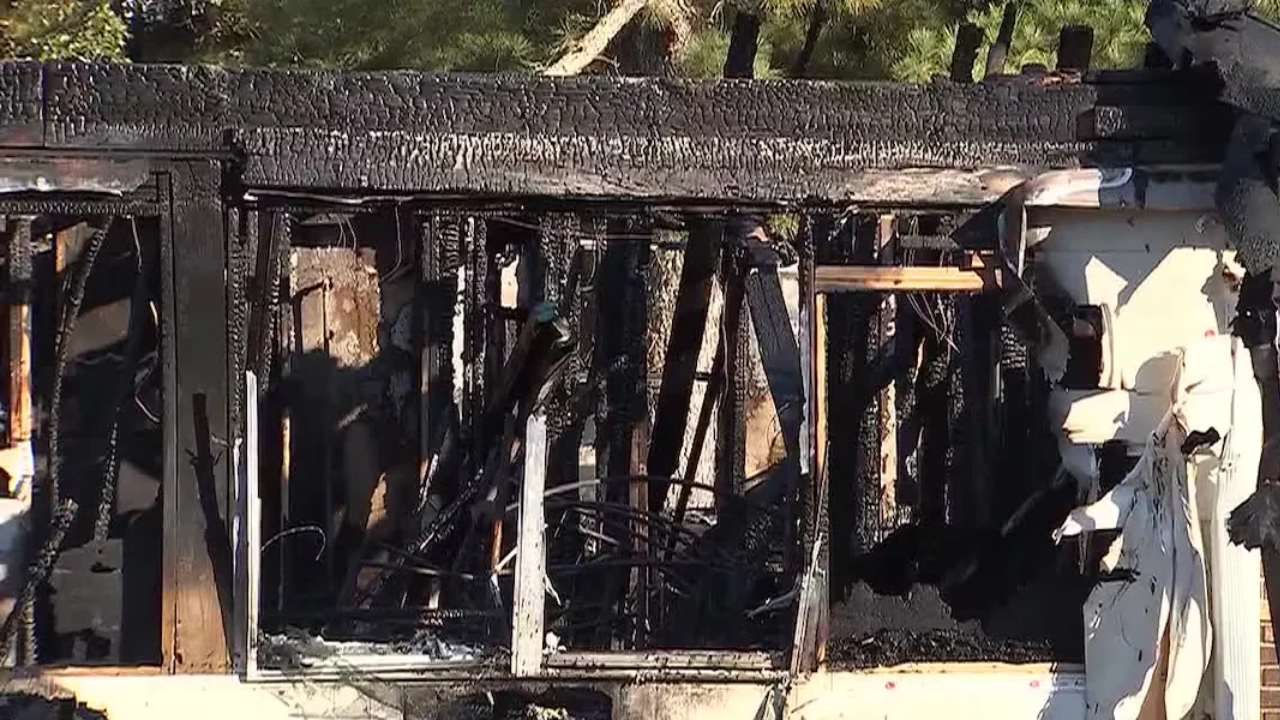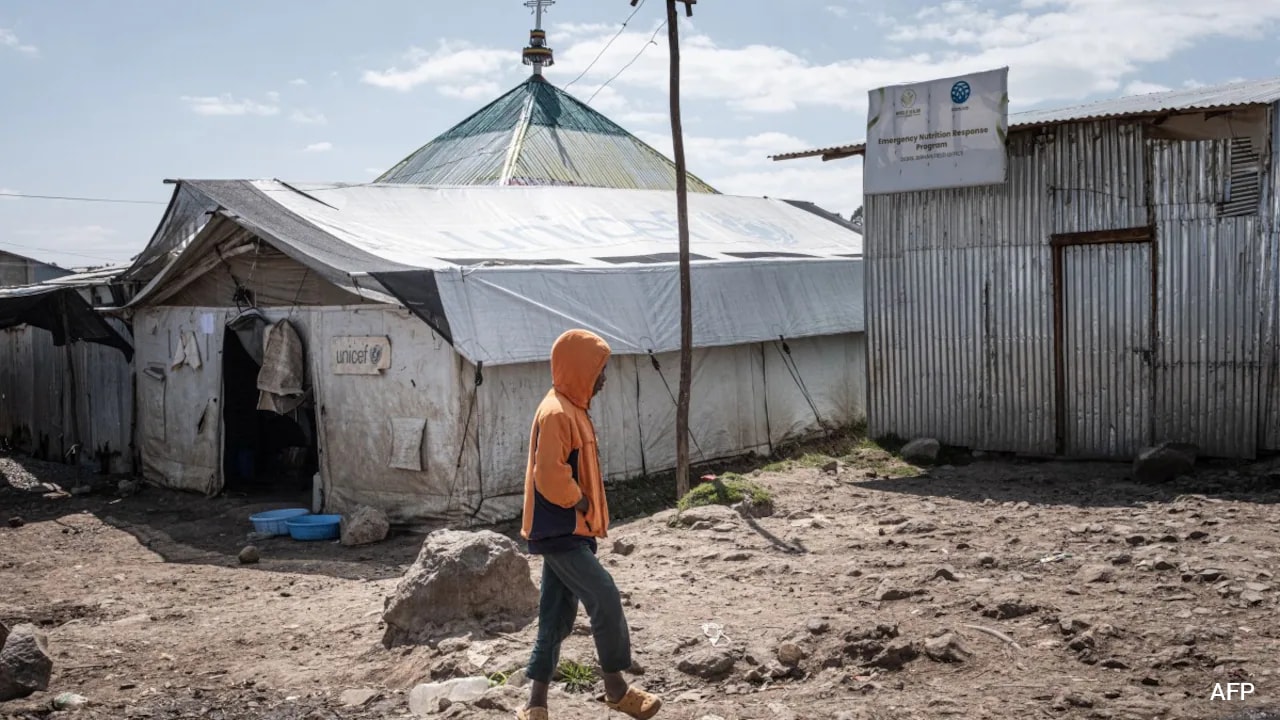
More than forty people dead inside houses of worship. When headlines break about armed attacks on Orthodox churches in Ethiopia, most international outlets treat them like sudden, isolated outbursts of religious hatred. They aren't. If you look closely at the security vacuum across rural Ethiopia, particularly in the Oromia and Amhara regions, you'll see a much more complicated and terrifying pattern.
People searching for news about these massacres want to know who is pulling the triggers, why congregations are being targeted, and whether the Ethiopian government can actually stop it. The short answer is that gunmen—often linked to ethnic insurgencies, local militias, or splintered armed groups—exploit weak state presence in rural districts to terrorize communities, and the Ethiopian Orthodox Tewahedo Church (EOTC) frequently sits right in the crosshairs of overlapping ethnic and political grievances.
The Reality Behind the Headlines on Ethiopian Church Attacks
Over the past few years, the Ethiopian Human Rights Commission (EHRC) and international monitors like Human Rights Watch have documented repeated, deadly assaults on civilians in regions like Oromia, particularly in the East Wollega, West Wollega, and Arsi zones. In several documented incidents, armed militants surrounded church compounds during morning services or religious holidays, killing dozens of worshippers, priests, and deacons.
Mainstream Western media tends to flatten these tragedies into a simple binary. They frame it as Christians versus Muslims, or one ethnic group randomly attacking another. Honestly, that's lazy reporting.
While religious identity plays a role in who gets targeted, the violence is deeply entangled with Ethiopia's fractured ethnic federalism. The Ethiopian Orthodox Tewahedo Church has historically been associated with the Amhara ethnic group and the former imperial state, even though millions of Oromo, Tigrayan, and southern Ethiopians are devout Orthodox Christians. When armed groups like the Oromo Liberation Army (OLA)—which the Ethiopian government designates as a terrorist organization and refers to as OLF-Shene—clash with federal forces or ethnic Amhara Fano militias, local parishes become soft targets.
Militants know that attacking a church guarantees immediate terror. It displaces entire farming communities overnight.
Why Rural Congregations Are Left Completely Exposed
If you've ever traveled outside Addis Ababa into the highlands or the Rift Valley, you understand the geography problem immediately. Villages are spread out across rugged terrain with minimal paved road access. Cell phone networks go dark for days whenever security operations ramp up.
When armed groups move into a kebele (the smallest administrative unit in Ethiopia), local police forces are usually outgunned. They carry outdated rifles and lack armored transport. Federal defense forces—the Ethiopian National Defense Force (ENDF)—are stretched thin across multiple active insurgencies in Amhara and Oromia while still managing the fragile post-war recovery in Tigray following the 2022 Pretoria Agreement.
The Breakdown of Local Security
Here is what actually happens on the ground before an attack makes international news:
- Communications blackouts: Telecom towers are frequently damaged or shut down during military sweeps, meaning villagers can't call for reinforcements when gunmen approach at dawn.
- Disarmament imbalances: State authorities periodically conduct disarmament campaigns among local farmers to curb militia recruitment, which inadvertently leaves rural communities defenseless against roving insurgent bands that don't hand over their weapons.
- Delayed investigations: Because roads are unsafe, independent investigators from the EHRC or the United Nations often cannot reach massacre sites for weeks, allowing perpetrators to vanish and evidence to degrade.
In late 2023, for example, the EHRC reported that dozens of civilians, including priests and members of the same families, were killed in coordinated attacks in the Arsi zone of Oromia. Survivors described gunmen going house to house and targeting church compounds while local security forces were nowhere to be found. The government blamed the OLA; the OLA denied responsibility and blamed government-backed militias. That cycle of mutual accusation happens after almost every major atrocity.
What Most People Get Wrong About Religious Conflict in Ethiopia
Ethiopia is one of the oldest Christian nations on earth, with the Aksumite Empire adopting Christianity in the fourth century. For centuries, Orthodox Christians and Muslims lived side by side in towns like Harar and Gondar with remarkably low levels of sectarian bloodshed compared to other regions.
So why are churches burning now?
Because political entrepreneurs and armed factions weaponize historical grievances. In Ethiopia's constitutional system, established in 1995, political power and land rights are tied directly to ethnic identity through regional states. Over the last decade, radicalized factions have increasingly painted the Ethiopian Orthodox Church as an instrument of historical Amhara dominance.
At the same time, internal schisms within the church itself have poured gasoline on the fire. In early 2023, three archbishops in Oromia broke away from the Holy Synod in Addis Ababa to form a separate Oromia Synod, citing a lack of representation and liturgical services in the Afaan Oromo language. Protests erupted across the country. Security forces cracked down on demonstrators, resulting in dozens of deaths before Prime Minister Abiy Ahmed intervened to broker a reconciliation between the factions.
Even though that administrative rift was officially patched up, the underlying resentment didn't disappear. Armed groups in the countryside continue to exploit those cultural fault lines to justify violence against clergy and congregations.
The Role of Information Blackouts and Propaganda
Tracking accurate death tolls in rural Ethiopia is notoriously difficult. When reports surface that over 40 people were killed in armed attacks on Orthodox churches, you'll often see wildly conflicting numbers circulating on social media platforms like X (formerly Twitter) and Facebook.
Diaspora networks play a massive role here. Activists aligned with the Amhara cause will amplify casualty figures and blame the federal government for complicity or deliberate negligence. Meanwhile, pro-government accounts or Oromo nationalist channels often dismiss the reports as fabricated propaganda or attribute the killings to rival militias.
Without independent journalists on the ground, verifying the exact death toll takes time. The Ethiopian government has repeatedly restricted foreign reporters and local independent media from traveling freely into active conflict zones in Amhara and Oromia. Journalists who push too hard face detention under state-of-emergency laws.
You have to treat initial social media casualty claims with healthy skepticism until either the Ethiopian Orthodox Church's own diocesan offices release verified lists of the dead—which they regularly do, complete with names and baptismal records—or the Ethiopian Human Rights Commission publishes an official field report.
How the Ethiopian Government and International Community Respond
Every time a mass killing occurs at a church, the pattern of official reaction is almost identical. The Holy Synod issues a strongly worded statement condemning the slaughter and demanding protection for clergy and faithful. Prime Minister Abiy Ahmed's administration expresses condolences, condemns "anti-peace elements," and promises a military crackdown.
Then, very little changes structurally.
Why Military Sweeps Fail to Protect Parishes
Sending in federal troops after a massacre rarely solves the problem for three specific reasons:
- Hit-and-run guerrilla tactics: Insurgent groups don't hold territory in conventional ways. They melt into forests and rural villages when armored convoys arrive, then return once the troops move on to the next district.
- Collective punishment backfires: Heavy-handed counterinsurgency operations—including drone strikes that have killed civilians in Oromia and Amhara—alienate local populations, pushing angry young men straight into the arms of armed militias.
- Lack of accountability: Prosecutions of individuals responsible for mass atrocities in Ethiopia are exceedingly rare. Whether the perpetrators are insurgents or rogue security personnel, impunity remains the norm.
Internationally, the response has been muted. The United States and the European Union focused heavily on ending the 2020–2022 Tigray War, which killed hundreds of thousands of people. Since the Pretoria Peace Agreement was signed in November 2022, Western diplomats have largely shifted toward normalizing economic ties with Addis Ababa, unlocking International Monetary Fund (IMF) and World Bank financing packages rather than imposing fresh human rights sanctions.
Organizations like Christian Solidarity Worldwide (CSW) and Open Doors continue to document attacks on Ethiopian churches and lobby lawmakers in Washington and Brussels, but geopolitical priorities in the Horn of Africa—including Red Sea security and regional stability—often overshadow rural atrocities.
How to Verify News and Support Affected Communities Safely
If you're following developments out of Ethiopia, whether as a researcher, journalist, or member of the diaspora, you need a reliable filter to separate verified reporting from war propaganda.
First, cross-reference breaking claims against established monitoring bodies. Check updates from the Ethiopian Human Rights Commission (EHRC), Amnesty International, and Human Rights Watch. While their reports lag behind real-time social media posts by days or weeks, their methodology involves interviewing direct eyewitnesses, hospital staff, and local clergy.
Second, pay attention to primary statements from the Ethiopian Orthodox Tewahedo Church (EOTC) Public Relations Department and local diocesan bureaus. When parishes suffer attacks, local priests compile detailed records of victims for funeral rites and financial relief, making church registries some of the most accurate primary documentation available in rural districts.
Third, if you're looking to donate to displaced survivors or families who lost breadwinners in church attacks, avoid unverified GoFundMe campaigns shared randomly on social media. Fraudulent fundraisers spike immediately after every headline-grabbing tragedy. Instead, route financial aid through registered humanitarian organizations operating directly inside Ethiopia, such as the Ethiopian Orthodox Church Development and Inter-Church Aid Commission (EOC-DICAC), the Ethiopian Red Cross Society, or established international relief agencies with active field offices in Oromia and Amhara. Verify registration numbers and direct bank transfer details through official institutional websites before sending money.