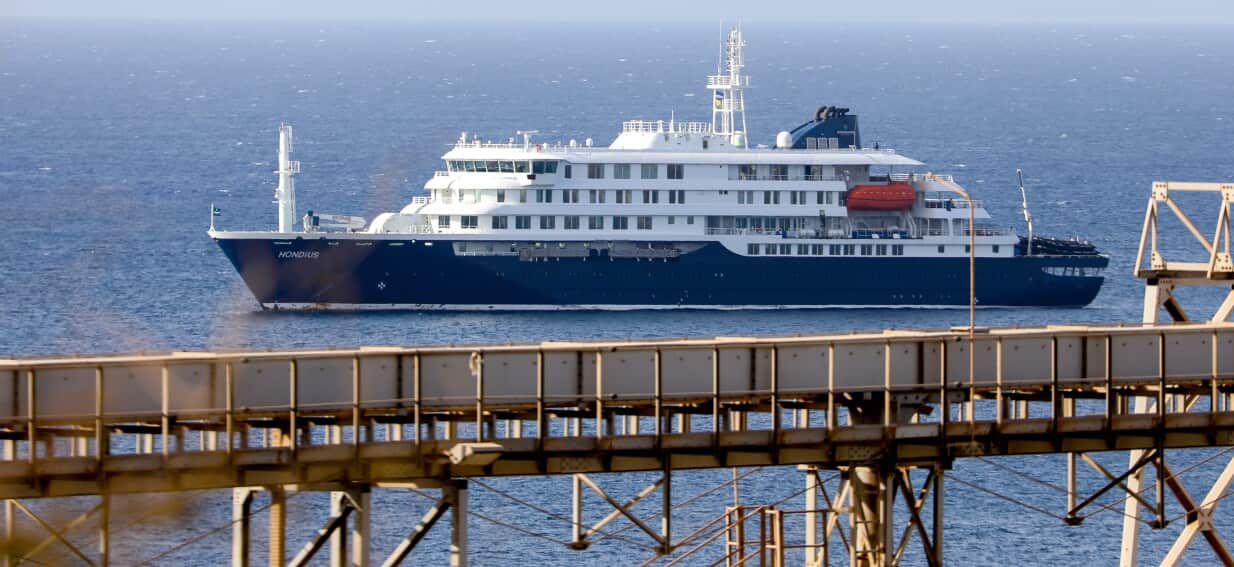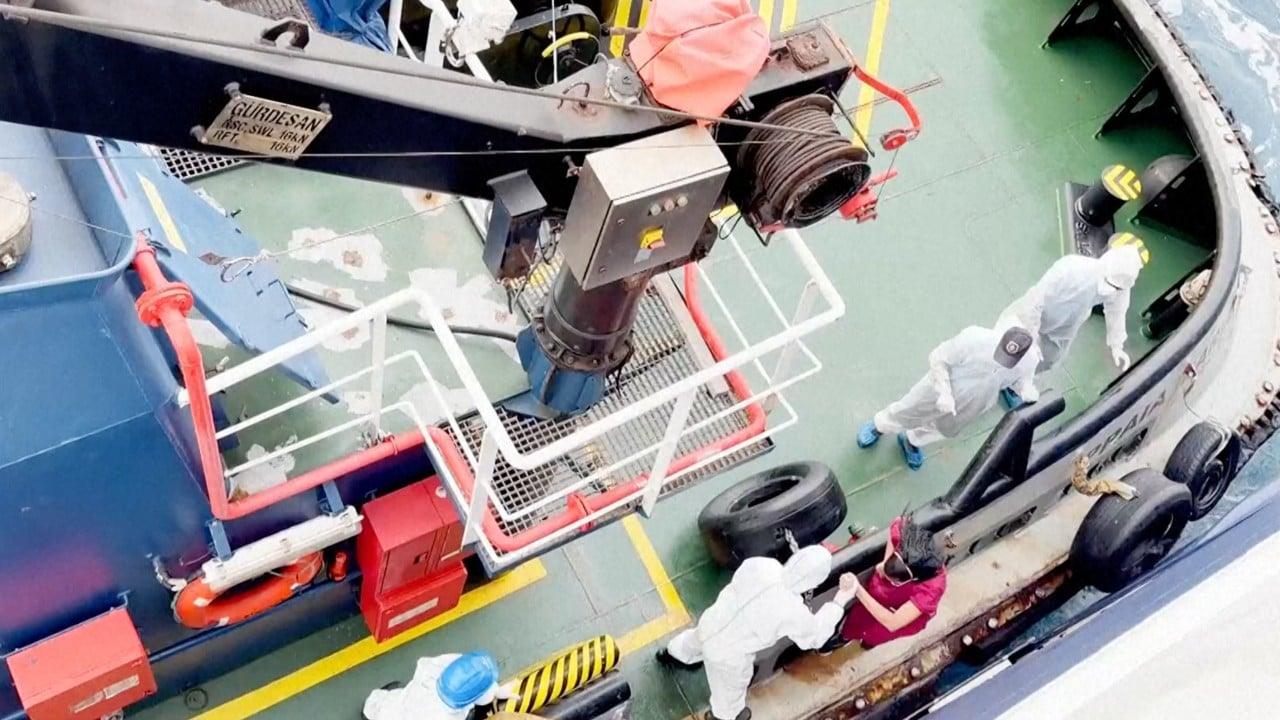
The recent World Health Organization report regarding a potential person-to-person hantavirus transmission on a luxury cruise ship has triggered a wave of cautious headlines. While official channels emphasize that public risk remains low, the incident exposes a massive gap in how we monitor high-end travel environments and the mutating behavior of viral pathogens. We are no longer just looking at a "rodent problem" confined to rural cabins; we are looking at the biological reality of how a deadly virus adapts to the tight, recycled environments of modern international transit.
Hantavirus Pulmonary Syndrome (HPS) has historically been a disease of isolation. You breathe in aerosolized droppings from an infected deer mouse in a dusty shed, and a few weeks later, your lungs fill with fluid. It is brutal, with a mortality rate hovering around 38 percent. But it was always predictable. It didn't "travel" because it died with the host or stayed in the shed. The suspected transmission aboard a vessel changes that calculus. If the virus has found a way to jump from one human lung to another in a pressurized, air-conditioned environment, the old playbooks are officially obsolete.
The Myth of the Low Risk Buffer
Public health agencies love the phrase "low risk." It is designed to prevent market panics and travel cancellations. However, in the world of epidemiology, low risk does not mean zero possibility; it means the event is statistically rare based on past data. The problem is that viruses do not care about spreadsheets.
The cruise ship environment is a petri dish designed for efficiency. You have thousands of people from different corners of the globe sharing HVAC systems, dining surfaces, and narrow corridors. When a pathogen like hantavirus—which usually requires a specific environmental trigger—appears to move between guests, we have to ask if the virus is changing or if our man-made environments have become too efficient at spreading the "unspreadable."
Most hantavirus strains, like Sin Nombre in North America, have never shown sustained human-to-human transmission. But the Andes strain in South America has. If the incident on this luxury liner involved a variant with similar properties, the "low risk" label is a temporary shield that obscures a permanent change in the threat profile. We are seeing a collision between wildlife encroachment and luxury infrastructure that the industry is not prepared to handle.
Behind the Velvet Curtain of Cruise Hygiene
Cruise lines spend millions on the optics of cleanliness. You see the hand sanitizer stations and the crew constantly wiping down brass railings. It is a performance of hygiene. Yet, the underlying infrastructure—the ventilation ducts, the storage areas where food and supplies are brought in from various ports, and the waste management systems—remains a blind spot.
Rodents are the primary vectors for hantavirus. They are also the most persistent stowaways in maritime history. A luxury ship is a floating city, and every city has a shadow population of pests. When these pests enter the internal ducting of a ship, their waste is dried out by the climate control systems and blasted into the breathing zone of passengers paying $1,000 a night.
The investigation into this specific outbreak must look beyond the guest cabins. We need to examine the loading docks and the third-party suppliers in regional ports. If a single contaminated pallet of dry goods was brought into a central galley, the entire ship becomes an exposure site. The industry’s reliance on rapid turnaround times means deep cleaning is often a cosmetic exercise rather than a surgical one.
The Biological Mechanism of the Jump
To understand how this happens, we have to look at the viral load. Hantaviruses are "enveloped" viruses, meaning they have a fatty outer layer. They are usually fragile. Outside of a cool, damp environment, they fall apart quickly.
However, in the controlled humidity of a cruise ship, that survival window might extend. If an infected individual is shedding a high enough viral load through coughing—a common symptom of the later stages of the disease—the concentrated air in a cabin or a small theater could theoretically maintain enough viable virions to infect a bystander.
This isn't just theory. During the 1996 and 2020 outbreaks of the Andes variant, researchers confirmed that close-contact transmission was the primary driver. The industry has long ignored this because the Andes strain was "regional." Now, with global travel routes more interconnected than ever, a regional problem is a global liability.
The Economic Pressure to Downplay
The travel industry is currently in a state of hyper-recovery. Following years of lockdowns and restrictions, the appetite for high-end experiences is at an all-time high. This creates a dangerous incentive for both corporations and local governments to minimize the severity of health incidents.
When a ship is flagged for a potential hantavirus case, the costs are astronomical. You have to consider:
- Diversion costs: Fuel and port fees for unscheduled stops.
- Refunds and litigation: High-net-worth individuals are litigious by nature.
- Reputational damage: A "plague ship" label can sink a brand for a decade.
We see a pattern where the "low risk" narrative is pushed early to keep the ship moving. This is a gamble. By the time a hantavirus infection is confirmed, the window for effective quarantine has usually closed. The incubation period is long—anywhere from one to eight weeks. By the time the first passenger is in an ICU, the rest of the travelers have dispersed to a dozen different countries.
The Failure of Current Screening Protocols
Temperature checks and health questionnaires are the theater of safety. They do nothing to catch a hantavirus carrier. In the early stages, the disease looks like a common flu. Muscle aches, fever, and fatigue. No one cancels a dream vacation for a mild fever.
The diagnostic tools required to identify hantavirus are not available in a standard shipboard infirmary. They require specialized labs and PCR testing that can take days. This means the ship is always several steps behind the virus. We are relying on 20th-century detection methods for a 21st-century biological threat.
Furthermore, the reporting requirements for international waters are famously murky. If an incident happens in the middle of the Atlantic, who has the jurisdiction to demand a full biological audit? The "flag of convenience" system allows many ships to operate under the regulations of nations that lack the resources—or the will—to enforce strict health oversight.
Reevaluating the Urban Wildlife Interface
The broader issue is that we are pushing into environments where these viruses live, and then we are bringing those environments back with us. Luxury travel often seeks "untouched" or "exotic" locales. These are exactly the places where unknown or rare strains of hantavirus circulate in local rodent populations.
When a luxury tender takes passengers from a remote coastal village back to the mother ship, they aren't just bringing back souvenirs. They are bringing back the biome of that village. If that biome includes a rodent population shedding a particularly hardy strain of hantavirus, the ship's air system does the rest.
We have reached a point where the "low risk" defense is a form of negligence. The cruise industry needs to move beyond hand sanitizer and start looking at high-efficiency particulate air (HEPA) filtration as a standard for all shared spaces, not just a luxury add-on. They need to implement real-time genomic sequencing for any unexplained respiratory clusters.
What Travelers Should Demand
If you are stepping onto a vessel, you have to look past the champagne and the thread count. You need to know the age of the ship’s HVAC system. You should ask about the rodent mitigation protocols used by the ship’s provisioning partners.
The reality of 2026 is that the barriers between "nature" and "luxury" have dissolved. A virus that used to be a footnote in a medical textbook is now a legitimate concern for the global elite. The WHO can call the risk low, but for the person sitting in a pressurized cabin with a failing lung, the statistics are irrelevant.
The "why" of this situation is simple: we have built a global infrastructure that prioritizes movement over safety. The "how" is equally clear: we have provided a lethal pathogen with the perfect conduit for expansion. Until the maritime industry and health regulators treat a single case of person-to-person transmission as a systemic failure rather than a fluke, we are simply waiting for the next cluster to emerge.
The Immediate Mandate
Health authorities must stop using historical data to predict future mutations. The move toward person-to-person transmission in hantaviruses is a documented trend, not a freak accident. We need an immediate, mandatory overhaul of maritime health protocols that treats "rare" viruses with the same level of aggression as a global pandemic.
The data from this luxury cruise incident should be made public and unedited. We need to see the airflow diagrams. We need to see the genetic sequencing of the strain. We need to know exactly how many people were in contact with the primary case and where they are now. Transparency is the only thing that travels faster than a virus.
Every passenger currently on the water is part of an ongoing experiment in viral adaptation. The "low risk" label will stay until it is too late to change it. If you are waiting for the industry to tell you when it is finally "high risk," you have already lost the lead time you need to survive. Stop looking at the brochures and start looking at the vents.