If you are under 50 and assume your risk of breast cancer is safely locked away until you get an invitation for routine screening, you need to pay attention. Recent data shows that the current medical referral guidelines used by GPs are completely missing the mark for younger patients.
The Broken Safety Net for Under-Fifties
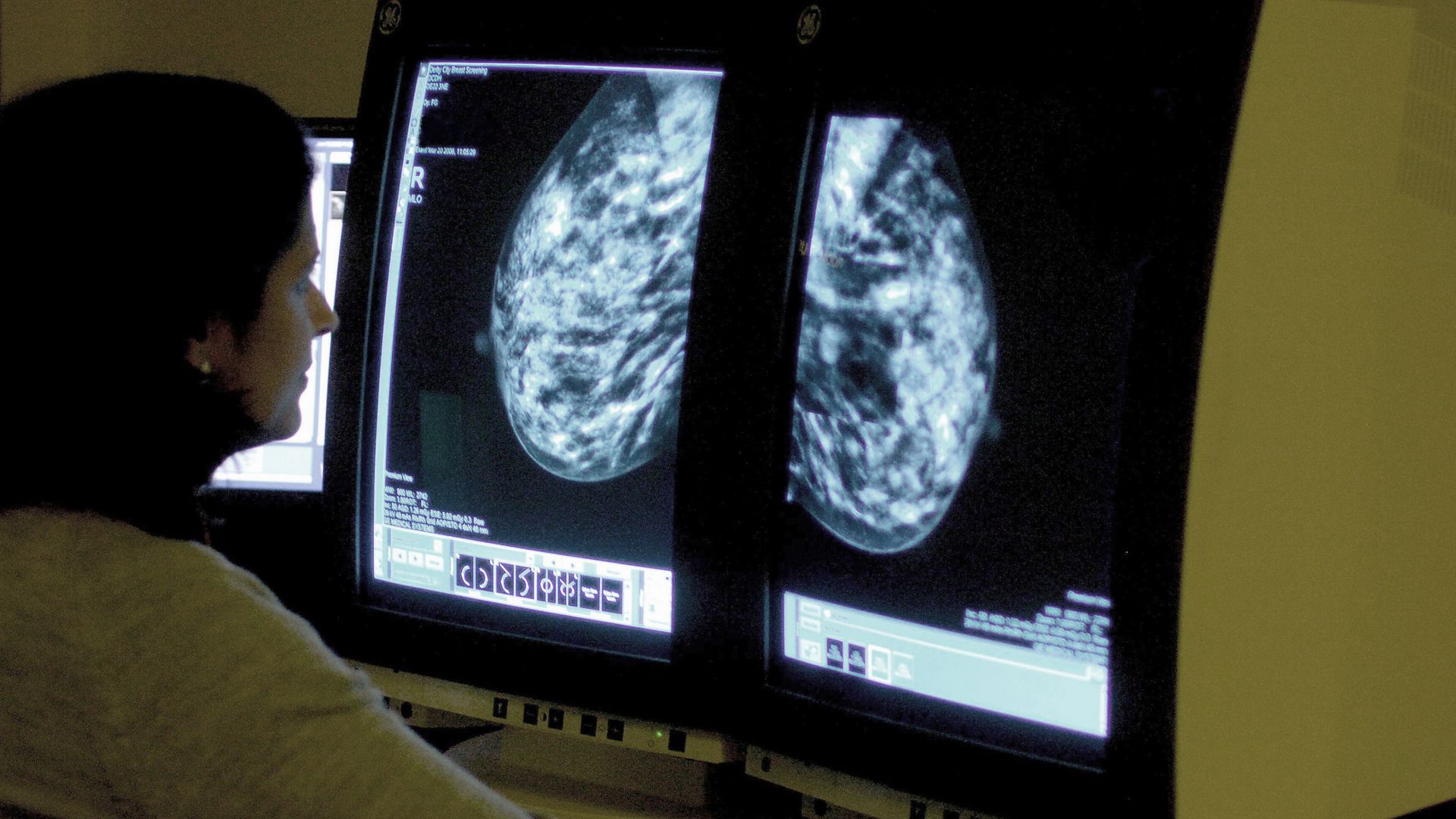
A landmark study published in the British Journal of Cancer reveals a staggering oversight in modern medicine. Researchers from the University of Cambridge and The Institute of Cancer Research found that current National Institute for Health and Care Excellence (NICE) guidelines miss up to 95 per cent of women under 50 who will go on to develop breast cancer within a decade. You might also find this related story interesting: The Women Who Descend Into Silence.
Think about that number for a second. Ninety-five percent.
For years, the system has relied heavily on family history as the primary trigger for a specialist referral. If your mother or sister didn't have it, you were basically told you were fine. But reality doesn't care about outdated checklists. As highlighted in latest reports by Medical News Today, the effects are widespread.
Why Family History Is a Flawed Gatekeeper
The core issue lies in what doctors are told to look for. Under the current framework, family history dictates who gets fast-tracked for extra monitoring or genetic testing. Yet, the data tells a completely different story.
Almost three-quarters—about 73 percent—of women under 50 who develop breast cancer have no family history whatsoever.
When family history is your only filter, you are throwing a net with holes the size of basketballs. Millions of women walk into clinics with zero genetic red flags, believing they are low risk, only to face a life-altering diagnosis later. The system waits for symptoms to scream or a relative to fall ill before it takes action. That is too late.
A Smarter Alternative Exists
Researchers tested a comprehensive risk assessment tool called BOADICEA, which was developed at Cambridge with funding from Cancer Research UK. Instead of just asking if your aunt had cancer, this model looks at a much wider picture. It weighs reproductive history, lifestyle choices, genetic factors, and broader risk indicators.
When researchers ran the numbers using this multifactorial approach, the results were night and day. The BOADICEA model identified eight times as many women at risk in this younger age group compared to standard guidelines.
Of course, a shift like this comes with a heavy logistical price tag. Implementing broad risk assessments across every GP practice would mean referring roughly 26.5 percent of women under 50 for further evaluation, capturing about 34.8 percent of those who will actually develop the disease. Right now, current criteria refer just 1.4 percent of young women.
Doctors and policy experts face a tough trade-off. Do we overhaul an already overburdened healthcare system to catch more cases early, or do we stick to a cheap, simple checklist that quietly lets thousands of young patients slip through the cracks?
What You Can Do Right Now
Since the medical establishment is still wrestling with how to update these policies, you cannot afford to be passive about your health.
- Know your body inside and out. Don't wait for an annual checkup to notice if something feels wrong, heavy, or unusual.
- Talk openly with your GP if you have persistent worries, even if you don't fit the classic family history profile.
- Cut through the noise and focus on lifestyle modifications you can control, such as managing alcohol intake and maintaining a healthy weight.
Early detection changes survival rates drastically. If something feels off, advocate for yourself until someone listens.