When the Republican National Committee wheels out its massive balloon drops and prime-time speeches inside the American Airlines Center in Dallas, the spectacle will look like a presidential coronation. Yet the inaugural Republican midterm convention is less an expression of party strength than an emergency intervention designed to solve a single, glaring electoral vulnerability: Donald Trump's name is not on the ballot.
The primary mechanics of this convention reveal a profound internal disconnect. Midterm elections are traditionally referendum cycles where the party holding the White House absorbs punishing losses, driven by voter fatigue and sagging presidential approval ratings. With Trump's national approval resting near historic lows and public anxiety mounting over persistent inflation, a prolonged war in the Middle East, and economic friction, congressional incumbents find themselves trapped in an unenviable bind. They are forced to campaign under the heavy shadow of an administration whose current brand is driving away the exact independent suburban voters required to hold narrow legislative majorities. Meanwhile, you can read related events here: How We Got the AfD Threat Completely Backward.
While party architects frame the Dallas gathering as a unified launchpad for November, the ground reality tells a starkly different story. Behind closed doors, battleground candidates across the country have quietly weighed the cost of alignment. Dozens of Republican House and Senate hopefuls running in competitive districts have opted to skip the trip entirely or maintain ambiguous travel schedules, terrified that tying their local campaigns directly to a polarizing national spectacle will hand their Democratic challengers an easy narrative. For a vulnerable incumbent fighting to retain a suburban district won by razor-thin margins, standing on a Dallas stage under a giant banner of Trumpist pageantry offers very little local upside.
The Anatomy of an Enthusiasm Gap
The driving force behind the convention is a persistent mathematical problem for the modern right. Republican base voters historically stay home in midterm cycles unless Donald Trump commands the top of the ticket. Recognizing this drop-off, the White House engineered the Dallas convention to artificially recreate the adrenaline of a presidential campaign. Trump himself stated the quiet part out loud during a recent appearance, explicitly pleading with audiences to pretend he is actually running for office this November. To see the full picture, check out the excellent article by USA Today.
Yet attempting to manufacture presidential-level enthusiasm outside of a presidential year carries severe strategic risks. By nationalizing local congressional races into a strict referendum on Trump's first two years back in office, the party risks turning localized battles over cost-of-living and regional issues into a national referendum on a leader whose polling numbers have slipped. Instead of allowing local candidates to localize their pitches around community needs, the Dallas convention drags every down-ballot contender straight back into the national culture wars.
Furthermore, the logistical rollout has exposed friction between the national apparatus and candidate needs. Initial efforts to charge steep attendance fees for members wanting access to leadership circles triggered immediate blowback from campaigns operating on tight budgets. While emergency distribution of complimentary passes mitigated some of the rebellion, the underlying financial friction highlighted a party apparatus pulling in multiple directions at once.
The Texas Test Case
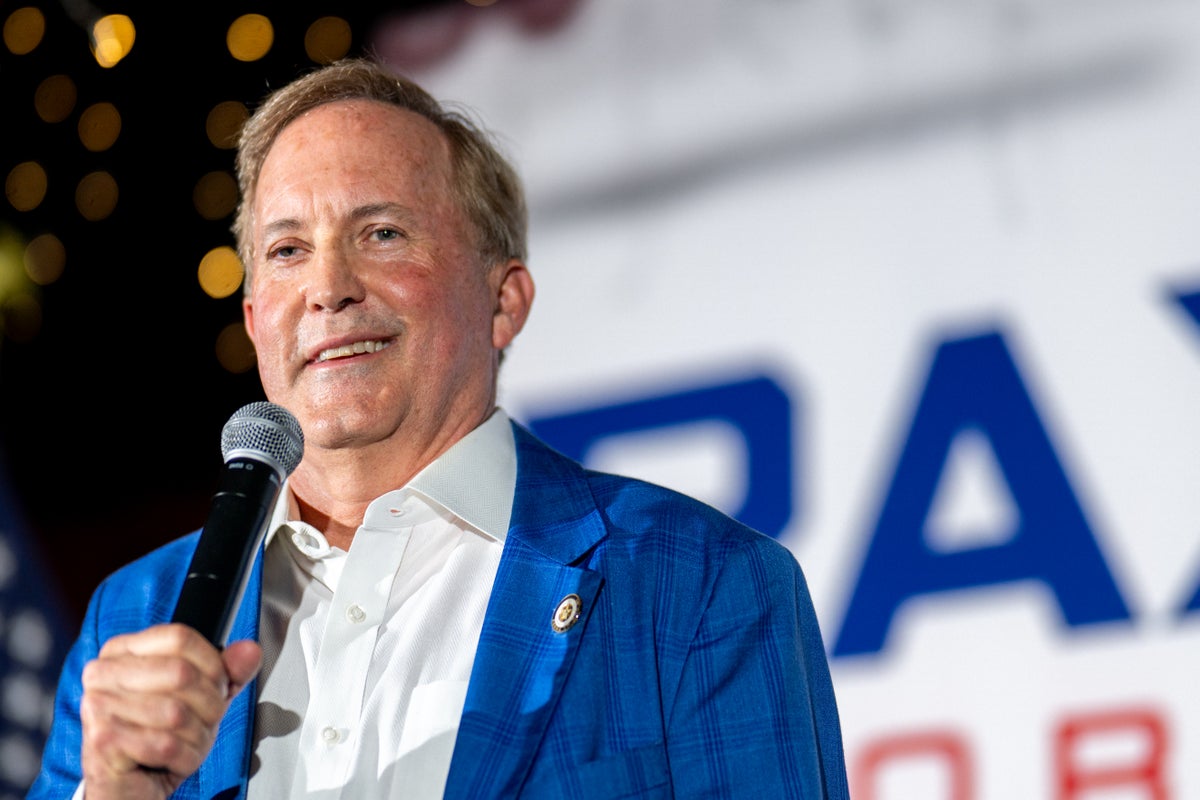
Nowhere is the high-stakes gamble of this strategy more visible than in Texas, where high-profile state figures and embattled nominees are leaning heavily into the Dallas convention framework. For candidates like Attorney General Ken Paxton, running for the U.S. Senate amid a wave of intense political and legal scrutiny, the full backing of the presidential political machine is an essential lifeline. Backed by massive super PAC expenditures and prime-time speaking slots, the state's marquee races are serving as testing grounds for whether heavyweight national spending can overwhelm local headwinds.
Yet relying on heavy-handed national intervention can alienate moderate conservatives who prefer a quieter style of governance. When national figures dismiss voter unease regarding macroeconomic pressures as secondary noise, it leaves local candidates holding the bag when constituents ask concrete questions about grocery prices and utility bills.
The Ultimate Gamble
Conventions are traditionally designed to project invulnerability. They use synchronized lighting, tightly controlled scripts, and curated applause to tell the world that a movement is marching in lockstep. But beneath the surface of the Dallas gathering lies a quiet desperation.
If the gambit succeeds, turnout among core loyalists will surge in the final sixty days, pulling lagging candidates across the finish line in tight districts. If it fails, the party will have spent its most potent attention-grabbing mechanism only to remind an already skeptical electorate why they were eager for a change in the first place, leaving congressional majorities exposed to a motivated opposition waiting at the ballot box