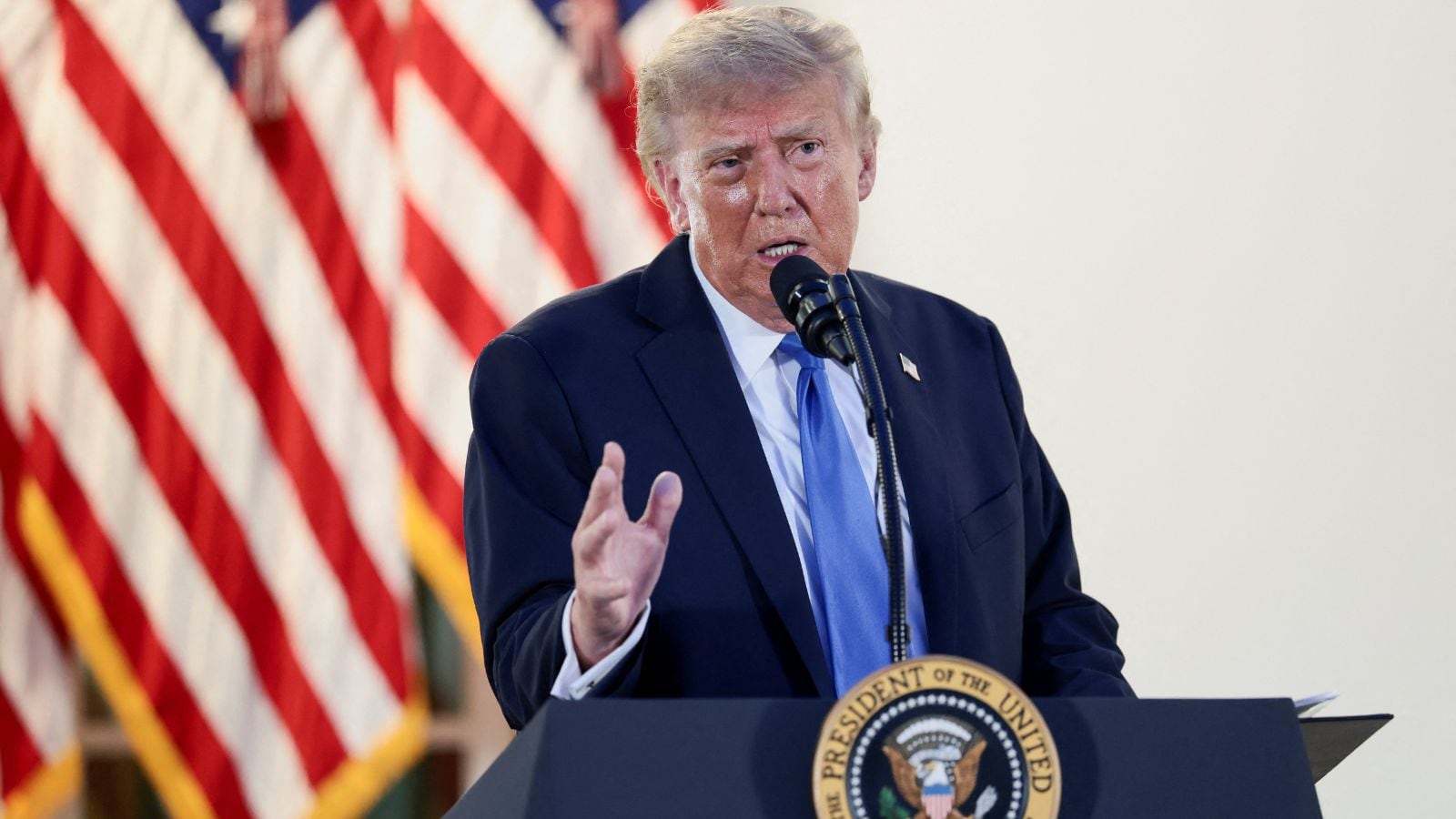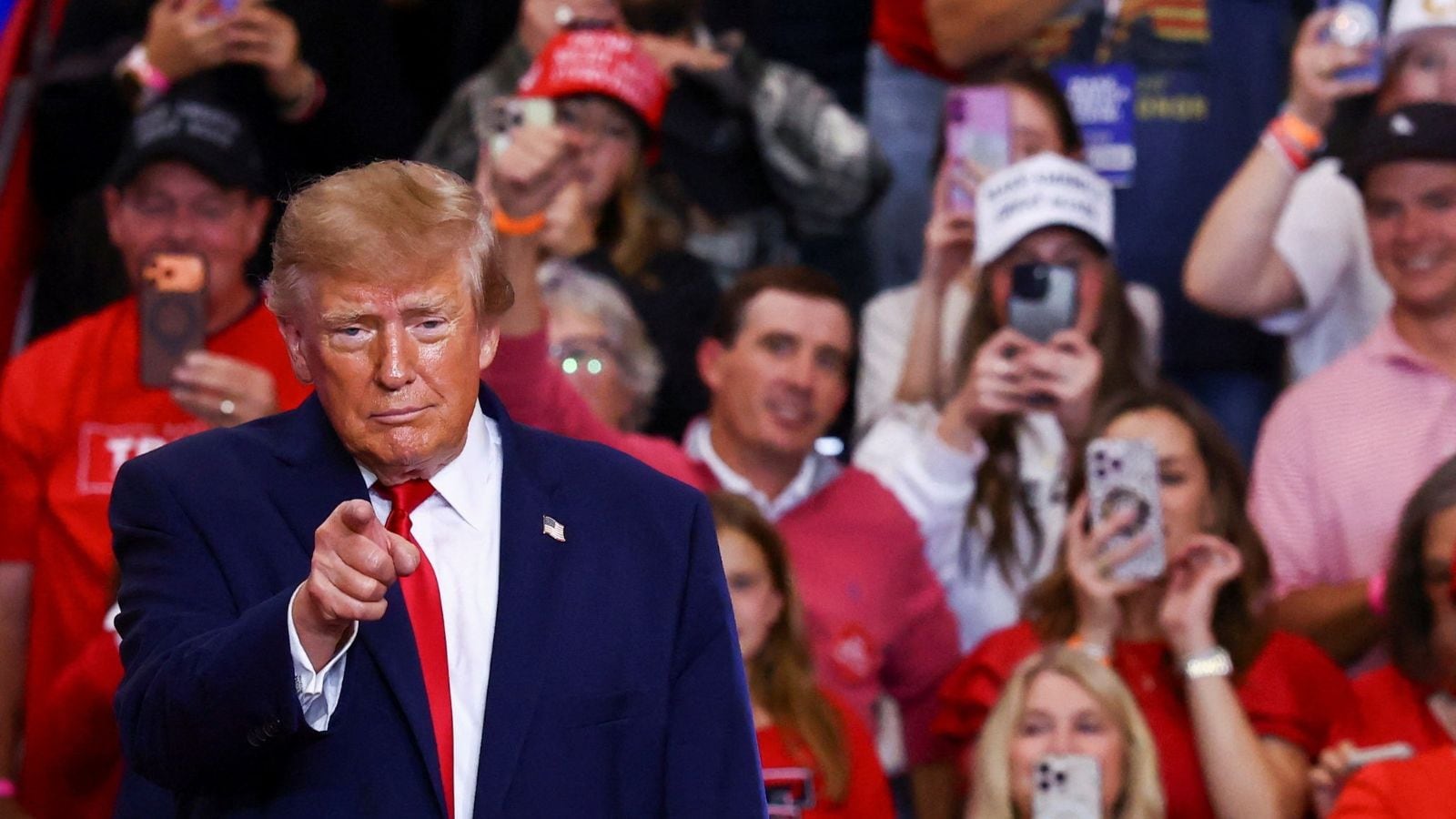
Florida isn't the swing state you remember from the 2000 recount. Not even close. Over the last decade, the Sunshine State morphed into a Republican fortress where Democratic dreams routinely go to die, punctuated by Ron DeSantis winning re-election by nearly twenty percentage points in 2022. Yet the 2026 gubernatorial showdown between former Congressman David Jolly and current Representative Byron Donalds threatens to crack that red wall—or cement it for a generation.
You might look at voter registration numbers and think this race is already over before the first debate microphone turns on. Republicans hold a massive registration edge in Florida, surpassing Democrats by more than a million voters according to state Division of Elections data. So why is anyone paying attention to David Jolly? Because Jolly isn't running as your typical progressive firebrand, and Florida's independent voters are starting to feel the squeeze of single-party rule. Expanding on this idea, you can find more in: The Quiet Erosion of Trust in America's Political Heartlands.
The Strange Evolution of David Jolly
To understand why this race matters, you first have to understand who David Jolly actually is. He wasn't born in a Democratic focus group. Jolly spent years as a Republican operative and lobbyist in Washington before winning a special election in 2014 to represent Florida's 13th congressional district—a swing seat centered in Pinellas County that had been held by the late GOP titan Bill Young.
During his time in Congress, Jolly built a reputation as a pragmatic, moderate Republican who frequently broke ranks with party leadership on issues like campaign finance reform and LGBTQ+ rights. Then came 2016. Jolly refused to endorse Donald Trump, a decision that alienated the GOP base and contributed to his narrow loss to Democrat Charlie Crist that November. Rather than fading away or begging for forgiveness at Mar-a-Lago, Jolly left the Republican Party entirely in 2018, becoming one of cable news's most ubiquitous "Never Trump" commentators before eventually registering as a Democrat. Observers at BBC News have provided expertise on this trend.
Here's the million-dollar question for Florida voters. Does a former Republican who spent years criticizing both parties actually have a shot at building a winning coalition? Honestly, it's a gamble. Progressive activists often distrust converts, viewing them as opportunists who only abandoned the GOP when the political winds shifted against them. Meanwhile, loyal Republicans view Jolly as a traitor who traded his conservative principles for MSNBC airtime.
Yet Jolly is betting everything on the middle. His entire pitch rests on the idea that Florida's governance has become too extreme, too focused on culture war headlines, and completely detached from the pocketbook issues crushing everyday families. When you look at property insurance rates in Tampa or condo association fees in Miami, that message starts to sound a lot less like cable news punditry and a lot more like common sense.
Byron Donalds and the MAGA Blueprint
Standing directly in Jolly's path is Byron Donalds, a congressman from Naples who represents the exact opposite trajectory in modern American politics. Where Jolly moved away from the conservative movement, Donalds sprint-ran straight into its beating heart.
Elected to Congress in 2020 after serving in the Florida House, Donalds quickly became one of Donald Trump's fiercest and most effective surrogates. He isn't a backbencher quietly voting the party line. He's a media-savvy communicator who thrives in hostile environments, regularly sparring with anchors on CNN and MSNBC while rallying conservative crowds across the country. Trump backed Donalds early and enthusiastically, effectively clearing much of the primary field and anointing him as the heir apparent to the Florida GOP throne.
Donalds's appeal to the conservative base is obvious. He embodies the populist, anti-establishment energy that turned Florida from purple to deep red. He talks relentlessly about economic deregulation, school choice, border security, and protecting Florida from what he describes as the failures of blue-state governance. For Republican primary voters, Donalds isn't just a safe choice; he's an ideological champion who won't flinch when the national press attacks him.
Still, general elections aren't won solely in conservative echo chambers. While Donalds commands intense loyalty from the Republican base, Democrats believe his close alignment with Trump and hardline conservative positions on abortion and social issues create vulnerabilities in suburban swing counties like Seminole, Duval, and Pinellas.
Why Florida Became a Conservative Stronghold in the First Place
Before deciding whether Jolly can pull off an upset, you have to look at how Florida got so red in the first place. It didn't happen by accident, and it wasn't just about Donald Trump.
Between 2018 and 2024, hundreds of thousands of Americans relocated to Florida, drawn by zero state income tax, warm weather, and Ron DeSantis's aggressive opposition to COVID-19 lockdowns and mandates. Data from the U.S. Census Bureau and state voter rolls consistently showed that these new arrivals skewed significantly more conservative than the native population. At the same time, the Florida Democratic Party suffered an organizational collapse. Fundraising dried up, local county parties withered, and messaging failed to resonate with crucial Hispanic voting blocs in Miami-Dade County—a region Hillary Clinton won by nearly thirty points in 2016 before it flipped completely to Republicans just six years later.
The numbers tell a brutal story for Democrats:
- In 2018, DeSantis beat Andrew Gillum by roughly 32,000 votes.
- By 2022, DeSantis crushed Charlie Crist by over 1.5 million votes.
- Statewide voter registration flipped from a narrow Democratic advantage to a towering Republican majority exceeding one million voters.
If you're a Democrat looking at those trends, despair feels like the only rational response. That's precisely why Jolly's candidacy represents a radical departure from recent Democratic playbooks. Instead of trying to out-organize a superior GOP ground game with traditional party infrastructure, Jolly is attempting to rebrand the opposition entirely around pragmatism, fiscal responsibility, and institutional normalcy.
The Kitchen-Table Issues That Could Break the Red Wall
Political gravity is a stubborn thing, even in a state as red as Florida. When one party holds total control of the governor's mansion, the state legislature, and the state supreme court for more than two decades, they own every single problem residents face. You can't blame Democrats for high taxes or broken regulations when Democrats haven't held power in Tallahassee since the late 1990s.
Right now, Florida's biggest vulnerabilities have nothing to do with social media culture wars. They're sitting right on the kitchen table.
The Property Insurance Crisis
Ask any homeowner from Pensacola to Key West what keeps them up at night, and they won't mention textbook bans. They'll talk about their homeowners insurance bill. Florida residents pay the highest property insurance premiums in the entire nation—often three to four times the national average. Major insurers have fled the state, forcing hundreds of thousands of residents onto Citizens Property Insurance Corporation, the state-backed insurer of last resort. While Tallahassee lawmakers passed tort reform measures aimed at curbing frivolous lawsuits, homeowners haven't seen meaningful relief in their monthly escrow payments. Jolly hammers this issue relentlessly, arguing that state leaders spent years fighting Disney while ignoring a financial ticking time bomb.
Housing Affordability and Condo Chaos
The influx of wealthy remote workers during the pandemic supercharged Florida's economy, yet it also priced working-class Floridians out of their own neighborhoods. Rents in Orlando, Tampa, and South Florida skyrocketed faster than local wages could keep up. Simultaneously, strict new structural inspection and reserve laws passed in the wake of the tragic 2021 Surfside condo collapse have left older condominium owners—many of them retirees living on fixed incomes—facing sudden special assessments totaling tens of thousands of dollars. Donalds points to federal inflation and energy policies as the root cause of rising living costs, whereas Jolly lays the blame squarely at the feet of state leadership for failing to manage growth and protect seniors.
Where Donalds Holds the Unfair Advantage
Even with real economic anxiety simmering beneath the surface, betting against Byron Donalds in 2026 requires ignoring massive structural realities.
First, there's the money. Running a statewide campaign in Florida is absurdly expensive because you have to buy television ads across ten distinct media markets, including costly hubs like Miami, Tampa, and Orlando. Donalds has access to a national conservative fundraising juggernaut, bolstered by Trump's endorsement and deep-pocketed Florida donors who have zero interest in seeing a Democrat occupy the governor's mansion. Jolly, despite his high name recognition on cable news, faces an uphill battle matching Donalds dollar-for-dollar on the airwaves.
Second, there's the enthusiasm gap. Republican voters in Florida show up. Even in midterm cycles, the GOP turnout machine built by state party leaders and grassroots organizations operates with ruthless efficiency. Democratic turnout in Florida, by contrast, cratered in 2022, particularly in urban strongholds like Broward and Orange counties. Jolly doesn't just need to persuade frustrated independents and moderate Republicans; he has to give disillusioned progressive voters a reason to actually walk into a polling booth for a guy who used to work for Republican congressmen. That's a needle few politicians have ever successfully threaded.
What Makes This Matchup Different From 2022
Critics love to compare David Jolly to Charlie Crist, the former Republican governor who switched parties and got demolished by DeSantis in 2022. On paper, the parallels look uncanny. Both men represented Pinellas County in Congress. Both left the GOP when the party moved right. Both positioned themselves as moderate bridge-builders.
Yet the political environment in 2026 isn't a carbon copy of 2022. DeSantis was running at the absolute peak of his national popularity four years ago, riding a wave of post-pandemic economic boom times and massive migration. Today, the novelty of anti-woke politics has worn thin for many swing voters, and the economic aftershocks of rapid population growth are impossible to ignore. Furthermore, Byron Donalds, for all his undeniable charisma and media skill, isn't an incumbent governor with the power of the state apparatus behind him. He has to introduce himself to millions of Floridians outside Southwest Florida who only know him from brief television clips.
Jolly also brings a sharper, less cautious rhetorical style than Crist ever possessed. Having spent years debating conservative operatives on live television, Jolly knows how to punch back against Republican talking points without sounding defensive or overly rehearsed. He willingly walks into conservative spaces, takes tough questions, and frames his departure from the GOP not as an ideological conversion, but as an act of political conscience.
How to Watch This Race Like a Political Insider
If you want to know whether Florida is genuinely competitive again or if Jolly is simply chasing a mirage, ignore the breathless national punditry and watch three specific indicators over the coming months.
- The I-4 Corridor Registration and Polling Shifts. Keep your eyes glued to Hillsborough, Pinellas, Polk, Osceola, Orange, and Seminole counties. No Democrat can win statewide in Florida without dominating Orange County and fighting to a draw in Hillsborough and Pinellas. If Jolly isn't polling ahead among No Party Affiliation (NPA) voters in Central Florida by late summer, the math simply won't work for him.
- Miami-Dade Margin Recovery. Democrats don't need to win Miami-Dade County to take the governor's mansion, though they absolutely cannot afford to lose it by double digits again. Watch how Donalds and Jolly perform among Hispanic voters in South Florida—especially younger Cuban, Venezuelan, and Colombian voters who care deeply about small business growth and inflation.
- Democratic Base Enthusiasm. Look at early voting numbers in predominantly Black precincts in Jacksonville, Orlando, and South Florida. Donalds has made aggressive pitches to Black male voters nationwide, arguing that conservative economic policies offer better opportunities than Democratic social programs. If Donalds peels off even ten to fifteen percent of the Black vote while Jolly struggles to excite progressives, the race will be called before 8:00 PM on election night.
Pay close attention to how both candidates handle the kitchen-table economics of homeowners insurance and housing costs during the upcoming debates. Whoever convinces Florida's massive block of independent voters that they actually have a workable plan to lower monthly bills—rather than just scoring points on cable news—will walk away with the keys to Tallahassee.