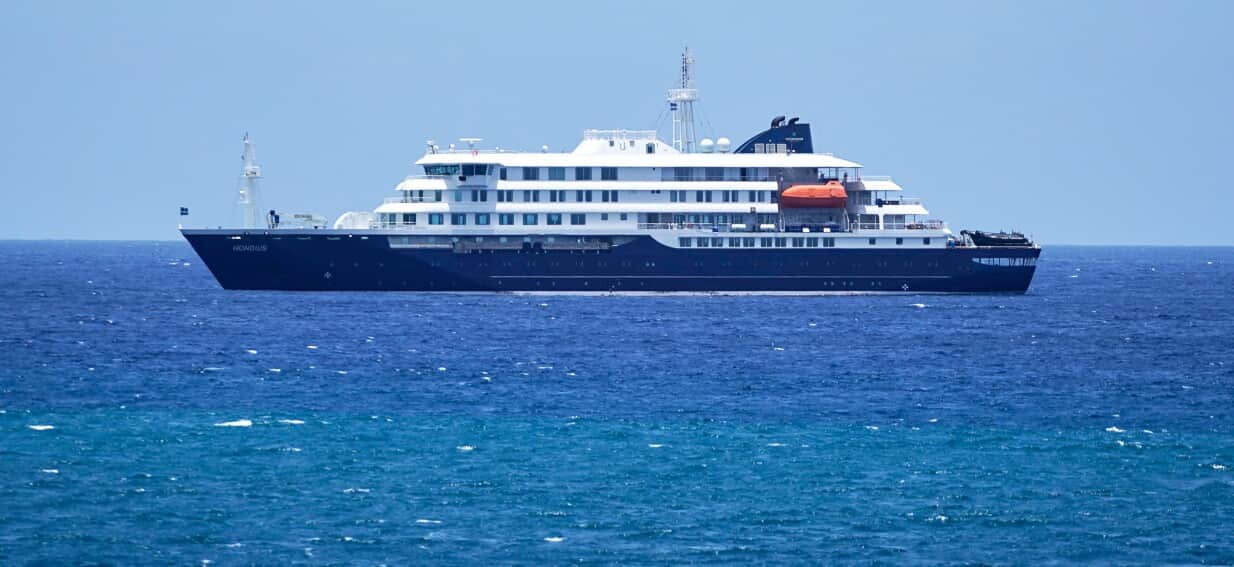
The luxury expedition market promised the world's elite a pristine encounter with the end of the Earth. Instead, a recent outbreak of hantavirus aboard a high-end Antarctic cruiser has exposed a terrifying breach in the biosecurity of the multi-billion-dollar polar tourism industry. While passengers paid upwards of $20,000 for a glimpse of the White Continent, they were unknowingly sharing their reinforced hulls with a pathogen typically associated with dusty barns and abandoned rural sheds. This was not a freak accident. It was the predictable result of a rapidly expanding industry outgrowing its safety protocols.
Hantavirus Pulmonary Syndrome (HPS) is a severe respiratory disease. It is transmitted primarily through contact with the urine, droppings, or saliva of infected rodents. In the sterile, sub-zero environment of Antarctica, the virus should not exist. Yet, as ships become more complex and supply chains stretch across multiple continents, the "vessel as an island" concept has collapsed. The virus hitched a ride, likely via the very provisions meant to sustain a five-star lifestyle in the middle of the Southern Ocean.
The Rodent Pipeline
Expedition ships are logistical nightmares. To maintain the level of luxury demanded by modern travelers, these vessels must be stocked with fresh produce, fine linens, and dry goods sourced from ports in South America, often through warehouses where rodent control is an afterthought rather than a priority.
When a ship docks in places like Ushuaia or Punta Arenas, the risk begins. A single infected long-tailed pygmy rice rat—a known carrier of the Andes orthohantavirus—sneaking into a pallet of supplies is all it takes. Once the pallet is craned into the ship’s hold, the controlled climate of a modern vessel provides a perfect incubator. The ship’s HVAC system, designed to keep passengers cozy against the biting Antarctic wind, then becomes a distribution network for aerosolized viral particles.
We are seeing a convergence of high-density housing (the ship) and a lack of specialized quarantine procedures for cargo. Most cruise lines focus their medical screening on the passengers. they check for fevers at the gangway. They hand out sanitizer. But they are failing to rigorously audit the "last mile" of their supply chain.
Logistics Over Life
The investigative trail suggests that the pressure to turn ships around quickly is overriding biological safety. A vessel returning from the peninsula has a window of mere hours to offload waste, refuel, and restock for the next wave of explorers. In this frantic period, the scrutiny applied to incoming crates is superficial.
Industry insiders, speaking on the condition of anonymity, describe a culture of "get it on board now." If a shipment of organic kale from a regional distributor arrives, it is moved directly into the cold storage areas. There is no intermediate staging area where goods are unpacked and inspected for signs of infestation before entering the ship’s internal ecosystem.
The Myth of the Sterile Ship
Modern cruise marketing relies on the image of the ship as a sterile, safe sanctuary. This is a dangerous illusion. A cruise ship is a city. It has miles of ductwork, crawl spaces, and electrical conduits. Once a rodent enters this labyrinth, it is nearly impossible to find.
- Aerosolization: The primary threat is not a bite, but breathing. When droppings are disturbed during routine cleaning or even by the vibration of the ship's engines, the virus enters the air.
- The Southern Ocean Trap: Unlike a land-based outbreak where patients can be rushed to an ICU, an Antarctic ship is days away from advanced medical care. The flight from King George Island to the mainland is dependent on weather that can turn deadly in minutes.
The "luxury" label gave passengers a false sense of security. They assumed that the high price tag bought them an invisible shield against the grime of the world. In reality, the more complex the luxury, the more points of failure exist in the supply chain.
A Failure of Regulation
International maritime law is a patchwork of flags of convenience and vague guidelines. The International Association of Antarctica Tour Operators (IAATO) sets high standards for environmental protection, but their focus has historically been on preventing the introduction of invasive species to the Antarctic mainland—not preventing the introduction of deadly viruses to the passengers.
Current biosecurity checks are focused on seeds in boot treads and dirt on gear. There is a glaring absence of mandatory, third-party rodent-free certification for all cargo destined for Antarctic waters. The industry has been self-regulating in a vacuum, and the results are now sitting in morgues.
The blame cannot be placed solely on the local suppliers. The cruise lines dictate the pace. They squeeze the margins of the victuallers. When you demand the lowest price for high-volume delivery on a tight schedule, the supplier is going to cut corners on pest management. It is a systemic failure that starts in the corporate boardrooms of Miami and Oslo.
The Medical Reality of Hantavirus
To understand the horror of what happened on that vessel, one must look at the pathology of the virus. HPS starts with "flu-like" symptoms: fatigue, fever, and muscle aches. On a cruise, these are often dismissed as seasickness or a common cold.
By the time the lungs begin to fill with fluid, it is usually too late for anything but supportive care. In a remote maritime environment, "supportive care" is a euphemism for watching someone suffocate. The ship's infirmary, while advanced, is not equipped with the ECMO machines required to oxygenate the blood of a patient whose lungs have failed.
The Economic Fallout of a Pandemic
This outbreak threatens the viability of the entire expedition sector. Insurance premiums for these voyages were already skyrocketing due to the inherent risks of polar navigation. Now, underwriters are looking at a new category of liability. If a cruise line can be proven to have a negligent supply chain, the settlements will be catastrophic.
Travelers are already starting to ask harder questions. The era of blind trust in the "expedition" brand is over. Prospective passengers are no longer just looking at the thread count of the sheets; they are asking about the provenance of the food and the frequency of deep-cleaning protocols for the ventilation systems.
What Must Change Immediately
The industry needs to move beyond theater. Hand sanitizer at the buffet is useless against a virus living in the walls.
- Off-Ship Quarantine: All dry and fresh goods must be unpacked and inspected in a secure facility on land before being loaded onto the vessel.
- HVAC Sterilization: Ships must be retrofitted with industrial-grade UV-C lighting within the ductwork to neutralize airborne pathogens.
- Mandatory Reporting: Any sighting of a rodent or evidence of infestation must be reported to maritime authorities immediately, with a mandatory return to port for fumigation.
The Price of Hubris
For years, the Antarctic cruise industry has operated with a sense of invincibility. They conquered the Drake Passage. They built ships that could crush ice like a hammer through glass. But they were defeated by a common pest and a lack of basic hygiene in their logistics.
The tragedy in the Southern Ocean was not an act of God. It was an act of accounting. Every time a cruise executive chose a cheaper supplier or a faster turnaround, they were gambling with the lives of their guests. The house eventually lost.
The silence from the cruise line in the wake of the fatalities is a calculated legal move, but it is a moral failure. They are waiting for the news cycle to churn, hoping that the public will forget that their "trip of a lifetime" turned into a terminal ward.
The ice remains indifferent to the suffering on the ships. The real danger isn't the cold or the wind or the waves. It's the small, ignored breaches in the wall we build between ourselves and the raw, unwashed reality of the world. If you are planning to board a ship this season, ask to see the biosecurity audit of the loading dock. If they can't produce it, stay on the shore.