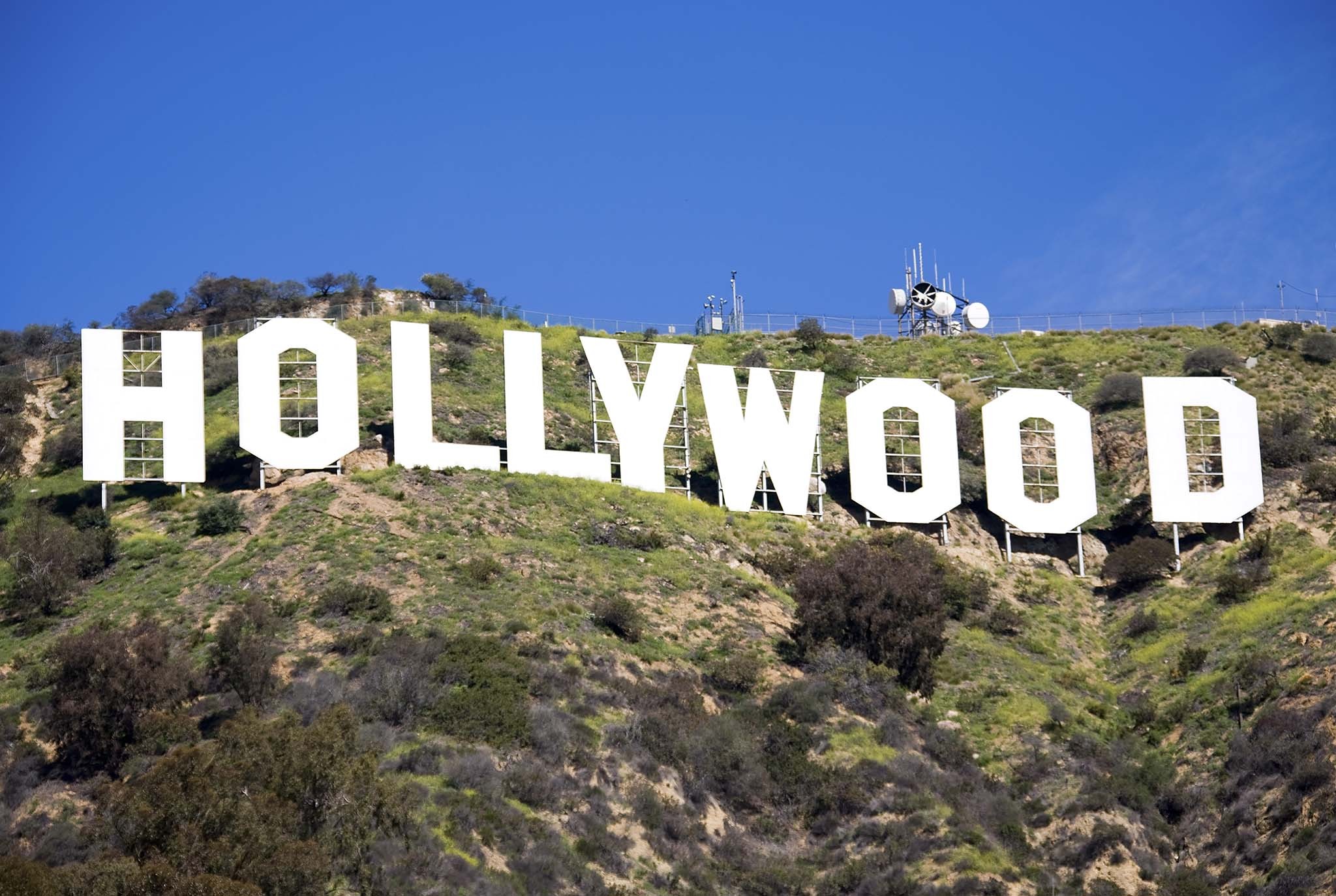
The coffee in the writers' room is cold, but nobody cares. On the wall, a whiteboard is covered in multi-colored sticky notes—character arcs, plot twists, the kind of messy, beautiful alchemy that happens when humans try to make sense of the world through fiction. This room represents the heart of Hollywood. Not the red carpets or the champagne galas, but the engine room.
Now, imagine the lights go out. Expanding on this topic, you can find more in: Measuring Corporate Risk Aversion Why Streaming Metrics Collapse Under Scrutiny.
Over 1,000 creators, actors, and directors just signed their names to a document that reads less like a business protest and more like a manifesto for survival. They are standing against the proposed merger of Paramount Global and Warner Bros. Discovery. On paper, it is a spreadsheet transaction. In reality, it is a controlled demolition of the American storyteller.
The Shrinking Room
When two giants decide to become one, they don't do it to create more. They do it to "find efficiencies." That is a corporate euphemism for swinging an axe. Experts at Deadline have shared their thoughts on this situation.
Consider a hypothetical mid-level screenwriter named Sarah. Sarah isn't a household name. She doesn't have an Oscar. But she has spent fifteen years writing the shows that keep you company on Tuesday nights. She represents the "middle class" of the industry. In a world with ten major studios, Sarah has ten doors to knock on. If one executive doesn't "get" her dark comedy about a suburban mortician, she goes across the street.
But when those doors start merging, the hallways get shorter. If Paramount and Warner Bros. Discovery become a single entity, Sarah loses a buyer. The market contracts. The leverage shifts entirely to the buyer, and the seller—the person with the actual idea—is told to take a lower fee or leave.
This isn't just about Sarah’s paycheck. It is about what you see on your screen. When there are fewer companies, there is less room for risk. Why would a massive conglomerate take a chance on a weird, soulful indie project when they can just greenlight a fourteenth sequel to a franchise they already own? Diversity of thought dies in the shadow of a consolidated balance sheet.
The Algorithm vs. The Ache
We have reached a point where art is being treated like a commodity, no different from oil or grain. The people signing this open letter—names that range from indie darlings to blockbuster titans—understand a truth that the bankers often overlook: you cannot optimize inspiration.
The merger frenzy is driven by a desperate race to scale. The logic is simple: get bigger, aggregate more content, and trap more subscribers in a single ecosystem. But art doesn't scale like software. A story requires an "ache"—a human connection that defies logic.
The signatories of the letter are sounding the alarm because they see the "content" machines turning into monopolies. When a single company owns a massive percentage of the historical library of cinema and television, they own the culture. They decide what stays on the server and what gets deleted for a tax write-off. We have already seen this happen. Completed films, the result of thousands of hours of human labor, have been wiped from existence before they even premiered, simply because the math of a write-down was more attractive than the risk of a release.
That is the invisible stake. It is the erasure of work.
The Monopoly of Memory
The fear isn't just about the next movie; it's about the ones we’ve already loved. Warner Bros. and Paramount aren't just companies; they are the stewards of our collective memory. Between them, they hold the keys to The Godfather and Casablanca, Star Trek and Looney Tunes.
When these libraries are consolidated, the incentive to preserve them diminishes. In a competitive market, a studio might curate its library to stand out. In a monopoly, they can gatekeep. They can raise prices. They can let "non-performing" classics rot in digital vaults because there is no competitor to shame them into better behavior.
The letter signed by those 1,000 industry professionals points to the Department of Justice, urging them to look past the stock price. They are asking the government to see the industry as an ecosystem. If you remove the predators or the prey, or if you turn the entire forest into a single type of tree, the ecosystem collapses.
A Ghost Town of Reboots
The result of this consolidation is a peculiar kind of cultural stagnation. Have you noticed that every new announcement feels like a repeat? Another remake, another "reimagining," another cinematic universe expansion.
This is the direct result of the pressure that massive debt—often a byproduct of these mergers—places on creative decisions. Warner Bros. Discovery, for instance, is already lugging around a mountain of debt. Adding Paramount to the mix is like a drowning man grabbing a heavy gold bar. They might be "richer" in assets, but they are even more desperate for immediate, guaranteed cash.
Desperation is the enemy of art.
It leads to the "safe" choice. It leads to the cancellation of the "prestige" drama that only has a modest audience. It leads to a world where every show looks the same, sounds the same, and hits the same emotional beats because a computer model said those beats provide the highest "engagement" per minute.
The people who signed that letter are fighting for the right to be weird. They are fighting for the right to fail. Without the freedom to fail, you can never have a Sopranos, a Pulp Fiction, or a Parasite. You only get the safe middle.
The Sound of 1,000 Pens Dropping
The signatures on that letter aren't just ink. They are a warning.
They represent the writers who are tired of seeing their residuals vanish into the "black box" of streaming data. They represent the actors who fear their likenesses will be harvested by a single, all-powerful entity. They represent the crew members—the gaffers, the grips, the costume designers—who see their job opportunities vanishing as the number of active productions shrinks to satisfy a quarterly earnings report.
We often think of Hollywood as a place of excess, but for the vast majority of the people who make the things you love, it is a trade. It is a craft. And that craft is being squeezed until it bleeds.
The merger isn't a sign of growth. It is a sign of a dying model trying to eat itself to stay warm. When the giants merge, the shadows they cast get longer, and the smaller, brighter lights underneath them start to flicker out.
The whiteboard in the writers' room is still there, but the sticky notes are being peeled off, one by one, to make room for a spreadsheet.
If this merger goes through, the story of Hollywood won't be about the movies anymore. It will be about the silence that follows when there is only one voice left to speak.
The credits are rolling on the era of choice, and for once, nobody is staying for the post-credits scene.