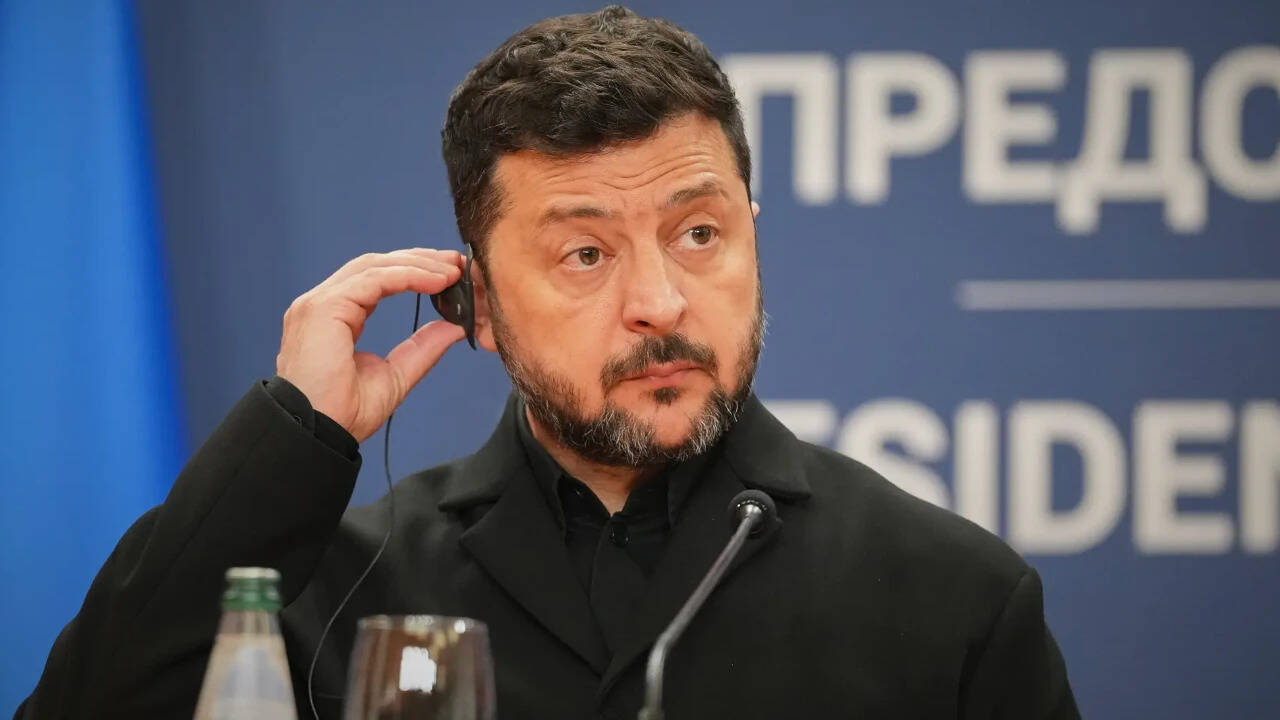
When a nation fights for its survival, holding a nationwide vote becomes a logistical nightmare and a security disaster. President Volodymyr Zelenskyy has repeatedly pointed out that scheduling a democratic ballot during an active, brutal conflict could tear the country apart from the inside. Critics often look at the constitutional calendar and demand a normal political cycle. They forget that millions of citizens live under Russian occupation, millions more are refugees scattered across Europe, and soldiers are currently holding the front lines in muddy trenches. How do you organize a fair contest when polling stations are targets for artillery strikes?
The Legal and Logistical Reality
Under Ukrainian law, holding a national ballot is strictly prohibited while martial law remains active. This isn't a dictator clinging to power; it is a constitutional rule designed to prevent enemies from exploiting a vulnerable transition. You can't guarantee safety, secrecy, or equal access when half the electorate is displaced or silenced by violence.
International partners often whisper about democratic legitimacy, but observers on the ground know the physical hurdles are insurmountable. The infrastructure has taken a pounding. Millions of people have crossed borders. Updating voter registries accurately right now is basically impossible.
To explore more about how the government manages public administration during the crisis, check the Official Ukraine Government Portal.
What Critics Miss About Public Sentiment
Most casual observers think politics functions normally in wartime. It doesn't. When missiles fall on power plants, political rivalries usually take a back seat to daily survival. Sociological data inside the country shows that a large majority of citizens prioritize winning the war over political campaigning.
People want stability, not mudslinging between rival parties. For deeper insights into international reporting and ongoing regional updates, you can follow coverage from BBC News.
Moving Forward Responsibly
The debate won't vanish anytime soon because external pressure and domestic ambitions will keep pushing the issue. Yet, forcing a premature political contest while under attack risks handing victory to an aggressor who wants internal chaos. True governance means protecting the state first so that future votes actually matter. Keep an eye on trusted global reporting outlets like Reuters to track how these discussions evolve.

/article-new/2021/09/iphone-13-pro-max-cameras.jpg)