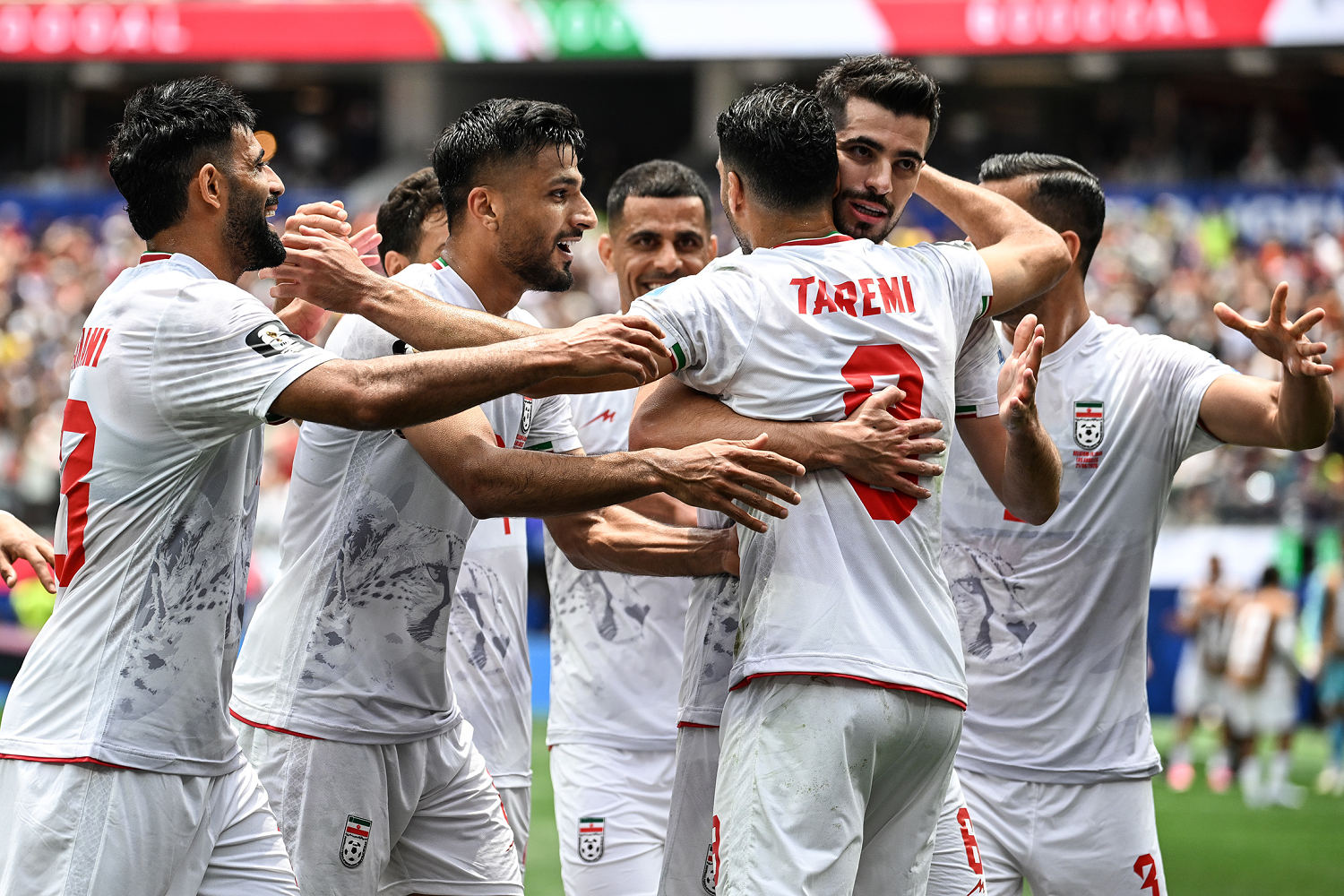
International sports and high-stakes geopolitics just collided again on the pitch. The U.S. Department of Homeland Security announced it is changing travel guidelines for Iran's national soccer team ahead of their crucial World Cup group-stage match against Egypt in Seattle.
For weeks, Team Melli has dealt with logistical hurdles that would break most squads. Because they were denied a standard base camp in the United States, the team has been forced to pitch its tents across the border in Tijuana, Mexico. They have been forced to commute into America just before kick-off, play their games under a microscope, and then immediately head back to Mexico.
The updated DHS policy finally gives them a tiny bit of breathing room. The government will now allow the Iranian squad to enter the U.S. two days before the Seattle game.
While it looks like a simple administrative tweak on paper, this adjustment reveals the massive, exhausting strain of playing sports under intense political pressure.
The Reality of the Tijuana Shuttle
Let's look at what the Iranian team has been dealing with. Most World Cup teams spend years picking the perfect base camp. They want top-tier facilities, short flights, and absolute privacy to focus on the tournament. Iran originally planned to base its operations in Tucson, Arizona. Political tension ruined those plans, forcing a move to Tijuana just weeks before the tournament started.
Before this recent change, the team faced strict travel windows. They were stuck commuting across the border for games against New Zealand and Belgium in Southern California, then dealing with immediate post-match departures. Coach Amir Ghalenoei openly voiced his frustration, calling his players the most oppressed squad in the tournament. He isn't wrong about the competitive disadvantage.
International soccer matches are decided by tiny margins. When one team spends their rest days navigating international border security while their opponents are relaxing at five-star resorts, the playing field isn't level.
What the New Policy Changes
The DHS update gives Iran a "matchday minus two" arrival window for the Seattle game. Arriving 48 hours before kick-off means the team can fly into Washington on Wednesday, get a real night of sleep, and actually hold a proper tactical training session on Thursday.
The strict departure rule remains unchanged. Once the final whistle blows against Egypt on Friday night, the squad must head straight back to the airport and fly back to Mexico.
The shift comes right after the Iranian football federation threatened to file a formal complaint with FIFA over their treatment. The U.S. government claims the policy adjustment ensures the focus stays entirely on the game itself, but the timing shows that sports diplomacy still carries some weight.
The Missing Pieces in Iran's World Cup Campaign
While the extra 24 hours helps the players, it doesn't fix the deeper issues that have hurt Iran's campaign. The U.S. government granted visas to the players late, but it completely denied entry to vital support staff.
Iran is currently playing this tournament without:
- Their official team manager
- Two primary tactical analysts
- Their media relations director
Imagine trying to win World Cup matches while your analysts are stuck watching on television in a Mexican border town. The logistical chaos has clearly hurt their performance on the field, including a tough recent loss to Belgium in Inglewood.
The Biden administration previously stated that keeping the team based outside the U.S. was a safety measure for the players themselves. While security concerns are real, the execution has turned a sporting event into a bureaucratic nightmare.
To prepare for Friday's game, the Iranian federation had to scramble to move their travel plans forward to Wednesday. For fans attending the match at Lumen Field, security screening will be incredibly tight. Expect longer lines at the gates as local and federal law enforcement increase their presence around the stadium. If you are heading to the match, give yourself an extra hour to get through the turnstiles.

.jpg?width=1200&auto=webp&trim=25%2C0%2C25%2C0)