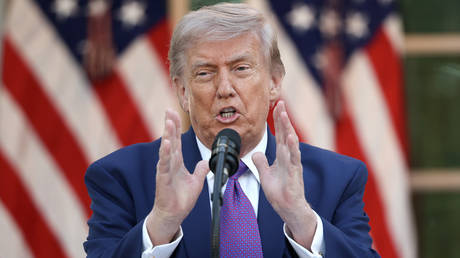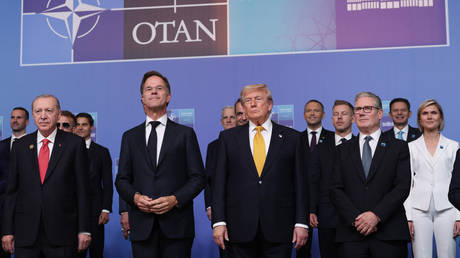
The glow of a smartphone screen in a darkened room carries a strange, heavy power. When that screen belongs to the President of the United States, the glow illuminates the entire world.
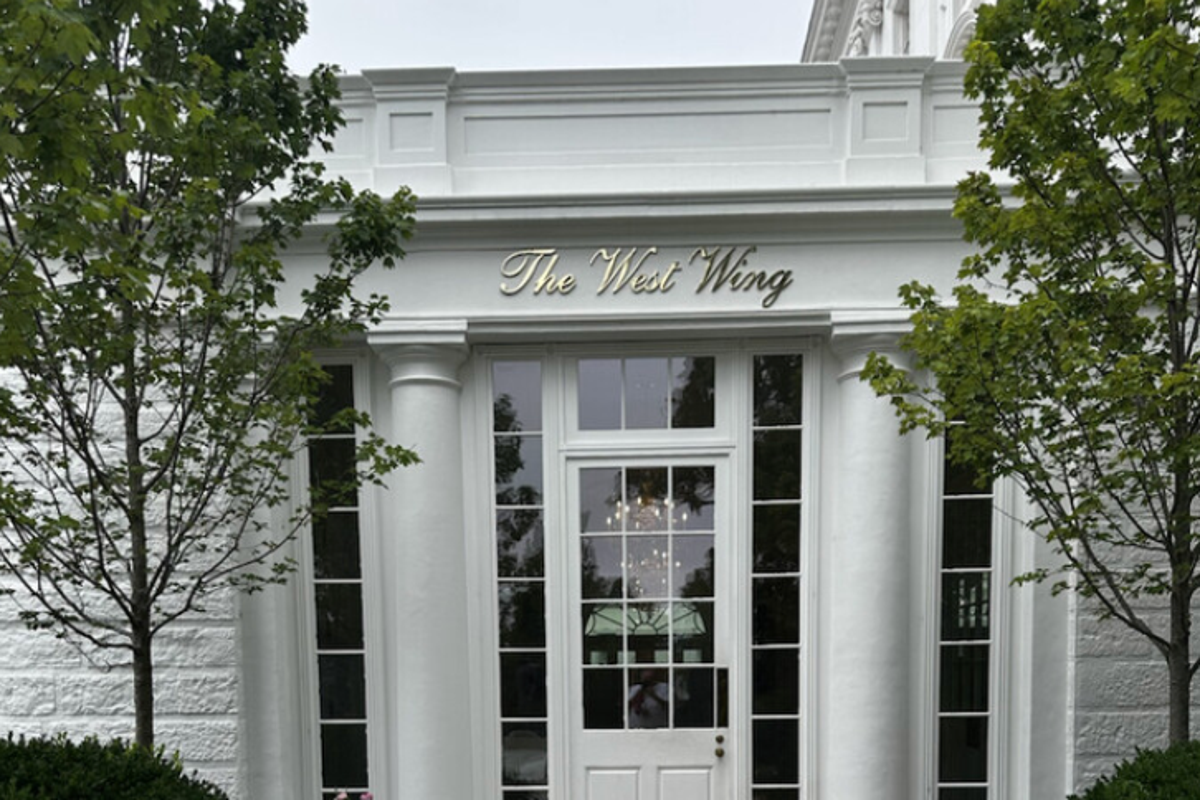
Think about the sheer weight of information flowing through the West Wing on any given afternoon. In one room, military advisors project satellite feeds of smoldering missile craters in Iran, tracing the real-time fallout of geopolitical brinkmanship. In the next, an interior designer measures the trim on a centuries-old door frame. For decades, these two worlds were separated by thick layers of bureaucracy, protocol, and solemnity. Today, they are separated only by a swipe of a thumb.
The modern presidency does not happen behind closed doors. It happens in the feed.
Donald Trump’s digital output has always functioned as a raw, unfiltered mirror of his split-screen reality. On a single afternoon, his public timeline can pivot from high-stakes military theater to architectural critique without a moment of transition. To watch this happen in real time is to witness a profound shift in how the most powerful office on earth communicates with the public. It is no longer about curated press releases. It is about a relentless, highly visual stream of consciousness where bombs and interior design share equal billing.
The Screen and the Sound
Consider the jarring contrast of a Tuesday afternoon broadcast.
The first notification hits. It is a video compilation of military strikes in Iran. The footage is grainy, captured by high-altitude drones and weapon cameras. There is a cold, detached violence to it—flashes of light, plumes of smoke, the clinical destruction of infrastructure thousands of miles away. The music layered underneath is cinematic, designed to evoke a sense of absolute power and retaliatory justice. For a moment, the digital space feels like a war room. The stakes are existential. The global order hangs on the next move.
Then, the feed refreshes.
The violence vanishes. In its place appears a series of still photographs showcasing the latest physical updates to the West Wing of the White House. The camera lingers on heavy gold framing, freshly polished chandeliers, and opulent, gilded accents that look more at home in a Manhattan penthouse than a federal building designed by James Hoban. The contrast is dizzying.
This is not an accident of timing. It is a deliberate style of governance that treats everything—from foreign warfare to carpet selection—as content. By presenting these images side by side, the administration flattens the distance between global catastrophe and personal branding. The message is clear: the theater of war and the theater of luxury are two sides of the same coin.
The Architecture of Power
Every president leaves a physical mark on the White House. It is a traditional right of the office. Obama brought in modern art and clean lines; Bush favored classic Texan warmth; Clinton preferred deep, traditional blues and rich woods. These choices are always scrutinized by design critics, but they usually happen quietly, tucked away in style magazines or revealed during official tours long after the paint has dried.
What makes the current transformation of the West Wing different is the performative nature of the updates.
The White House was originally built to reflect neoclassical ideals of restraint, democracy, and civic virtue. It borrowed from ancient Rome and Greece to signal a republic built on law, not the whims of a monarch. The introduction of heavy gold leaf, high-gloss finishes, and ostentatious ornamentation rejects that historical restraint. It replaces the aesthetic of public service with the aesthetic of ownership.
When these tacky additions—as critics swiftly labeled them—are broadcast immediately after footage of military dominance, they take on a new meaning. The gold isn't just decoration. It is a visual trophy. It signals to the audience that the executive branch is occupied by someone who views the presidency not as a temporary stewardship, but as a personal empire.
The Audience in the Room
To understand why this works, you have to look at the people consuming it. The feed is not designed for historians or constitutional scholars. It is designed for the scroll.
Imagine an ordinary citizen sitting on a bus, checking their phone between work shifts. They are bombarded by a chaotic mix of personal updates, algorithmic advertisements, and breaking news. When they encounter the president’s feed, they don't see a detached leader speaking from a distant podium. They see someone navigating the same chaotic digital ecosystem they are.
By mixing footage of overseas bombings with snapshots of West Wing renovations, the presidency becomes a reality television show with the highest possible stakes. The viewer isn't asked to analyze the foreign policy implications of a strike on Iran. They are asked to react to the spectacle. The military footage provides the adrenaline; the gold-trimmed decor provides the aspiration.
This constant shifting of gears serves a specific psychological purpose. It creates a state of perpetual distraction. Just as the public begins to process the gravity of a military escalation that could trigger a wider regional conflict, their attention is forcefully redirected to a debate over wallpaper. The gravity of statecraft is systematically dissolved by the triviality of interior decorating.
The New Statecraft
We have entered an era where the traditional boundaries of political communication have completely dissolved. The old guard of political analysts often laments this shift, calling for a return to dignity and structured messaging. But those complaints miss the fundamental reality of the modern attention economy.
Power belongs to those who command the narrative, and the narrative is no longer built on policy papers. It is built on aesthetic dominance.
When the footage of explosions fades from the screen, replaced by the glittering reflection of a newly minted West Wing hallway, the true nature of this digital strategy becomes undeniable. It is a masterclass in emotional manipulation. It keeps the world off-balance, constantly guessing which version of the executive branch will appear next: the commander-in-chief commanding a high-tech military apparatus, or the wealthy real estate mogul showing off his latest acquisition.
The gold leaf will eventually be scraped away by a future administration. The walls will be repainted. The chandeliers may be replaced by something quieter, more institutional, more aligned with the founding ideals of the republic. But the precedent cannot be so easily erased. The door has been opened, and the presidency has been permanently brought into the arena of the endless scroll.
The screen blinks, the feed refreshes, and the world waits to see what fills the silence next.