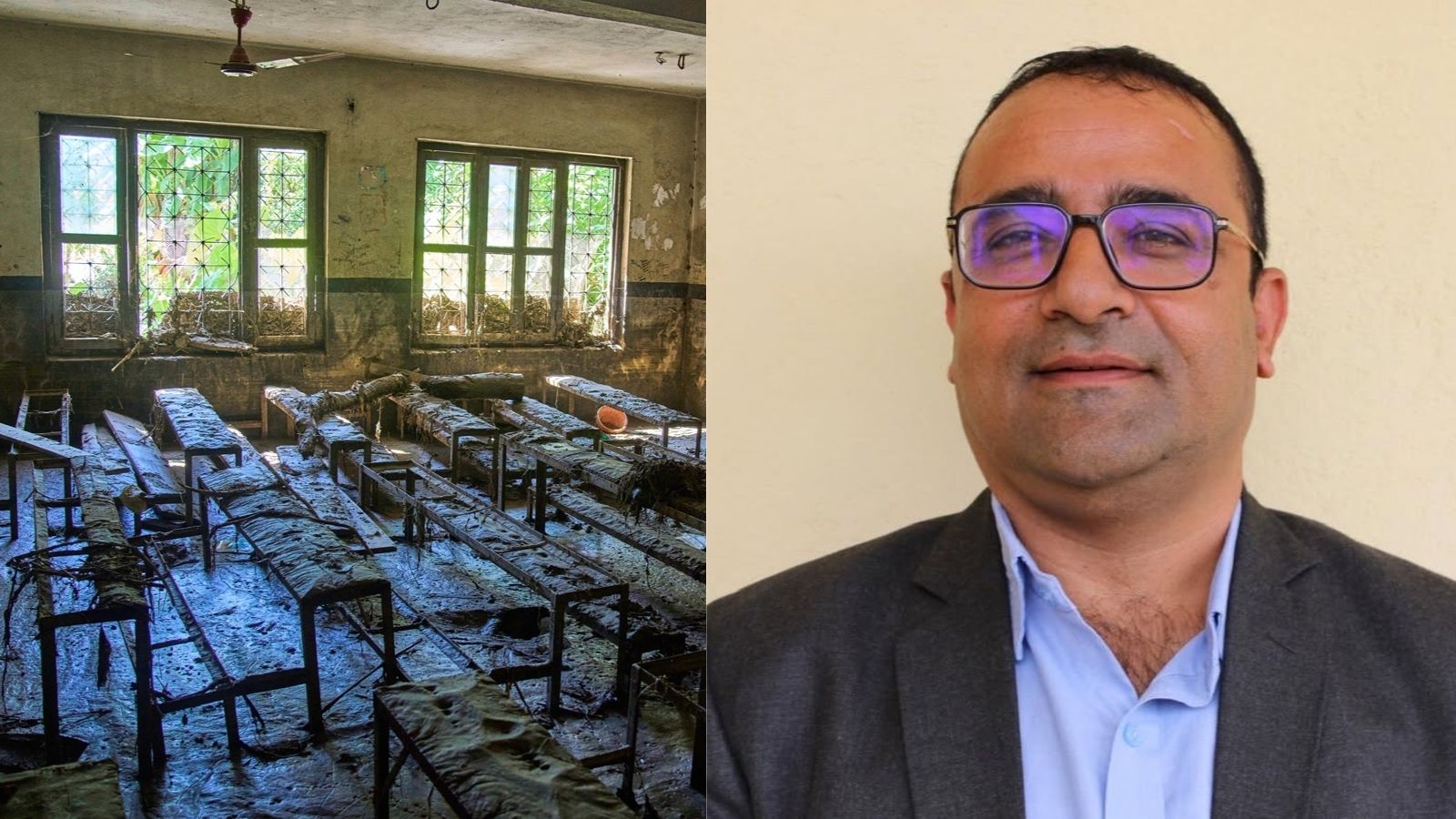
Every monsoon season, international desks dust off the same tired template. The rivers swell, the hills slide, and the casualty counts tick upward like a morbid stock ticker until a headline blares about morgues overflowing and recovery operations stalling. The media wants you to believe that the primary crisis during massive Himalayan flooding is logistical incompetence—that if only the local authorities had better refrigeration or more body bags, the tragedy would somehow be manageable.
This narrative is comfortable for distant observers because it reduces a complex systemic failure of geography and urban planning into a simple administrative screw-up. It is also entirely wrong.
When the death toll from catastrophic flooding climbs into the hundreds, focusing the spotlight on morgue capacity misses the point entirely. The real story is not about what happens to the bodies after the fact; it is about the decades of structural malpractice that allowed concrete jungles to choke natural drainage basins in the first place.
The Anatomy of a Manufactured Crisis
For years, I have watched disaster management frameworks treat seasonal flooding as an unpredictable act of God. It is not. It is an entirely predictable mathematical certainty built on a foundation of poor zoning, unregulated construction, and municipal neglect.
When heavy rains hit the Kathmandu Valley and surrounding districts, the water does not just fall; it accelerates off slopes stripped of vegetation by rampant urbanization. Traditional settlement patterns in Nepal respected the floodplains. Ancient Newari towns were built on elevated terraces, leaving the low-lying fertile lands to absorb seasonal inundation. Modern real estate development threw that ancestral wisdom out the window.
Politicians and developers paved over natural spillways, built housing colonies directly inside river corridors, and then acted surprised when the monsoon reclaimed its territory. When the inevitable occurs, emergency responders are thrown into an impossible position. They are tasked with pulling victims from mudslides and swollen torrents while managing a cascading sanitation emergency.
Yet, mainstream reports obsess over the backlog of unidentified remains and the struggle of local health posts to preserve them. This creates a deeply distorted public perception. It frames the disaster as a technical failure of forensic storage rather than a systemic failure of governance.
Deconstructing the Morgue Myth
Let us look at the logistical reality on the ground. When hundreds of people are killed by sudden flash floods and landslides, forensic infrastructure in developing nations—and frankly, many developed ones—is never designed to handle the surge. Asking local health workers to manage mass casualties without adequate infrastructure is like blaming a lifeboat for sinking alongside the ship.
The conventional media frames this as a uniquely Nepalese failure, contrasting it silently with Western standards that rarely face terrain or population density challenges of this magnitude. This comparison is lazy and intellectually dishonest.
Imagine a scenario where a major metropolitan area in a developed nation receives a month's worth of rain in twenty-four hours, entirely wiping out road networks, bridges, and power grids. The forensic system collapses there too. The difference is that in Nepal, the lack of basic infrastructure compounds every single phase of the disaster lifecycle.
Road connectivity is the single biggest bottleneck in any Himalayan emergency. When a massive landslide takes out the primary highway link, heavy machinery cannot reach the site, forensic experts cannot deploy to the field, and local authorities are forced to rely on manual recovery efforts using shovels and bare hands. Under those conditions, preservation is a secondary concern to basic survival and stabilization.
The Cost of Reactive Sympathy
The international aid apparatus loves a good flood because it triggers immediate, emotive giving. Donors open their wallets, headlines scream about the death toll, and cargo planes drop supplies. Once the water recedes, the cameras pack up and leave.
This cycle of reactive sympathy actively prevents long-term solutions. Pouring money into emergency body bags and temporary refrigeration units treats the symptom while ignoring the disease. It subsidizes bad urban planning by constantly bailing out municipalities that refuse to enforce zoning laws.
If we genuinely care about reducing the human cost of these disasters, the conversation needs to shift away from post-mortem logistics and toward aggressive preventative measures. That means doing things that local politicians hate: evicting illegal settlements from high-risk riverbanks, halting poorly engineered road construction in fragile hill districts, and investing in real-time hydrological monitoring systems that give communities more than a few minutes of warning before a wall of water hits.
The tragedy in Nepal is not that the state struggles to preserve recovered bodies. The tragedy is that the state allows people to build their homes in the path of destruction, year after devastating year, while the world watches only when the body count hits a milestone.
Stop treating natural disasters as unavoidable tragedies of fate. They are man-made disasters disguised as weather, and until we hold the architects of urban sprawl accountable, the only thing guaranteed to rise next monsoon is the toll.