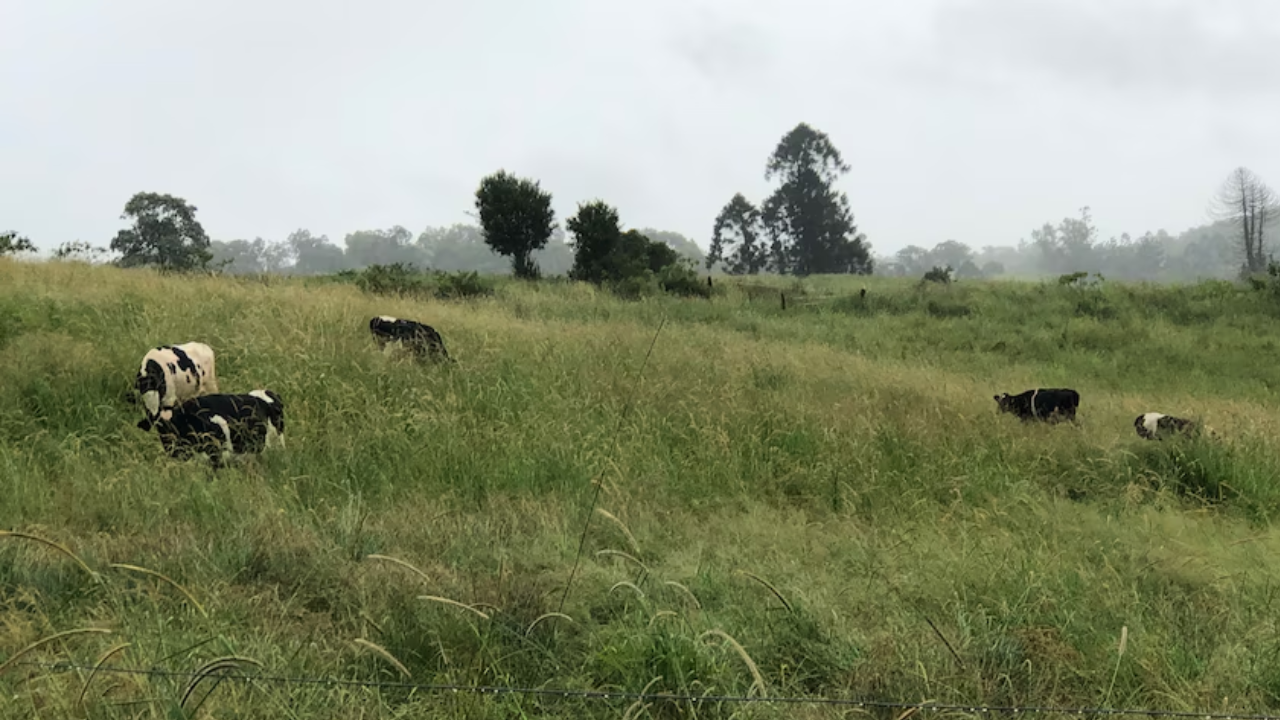
Every time a family farm replaces livestock with a glamping site, the mainstream media treats it like an inspiring parable of resilience. A Queensland dairy farmer loses forty cows to a merciless drought, pivots to pitch four canvas tents among the scrub, and suddenly we are supposed to celebrate the death of agricultural production in favor of weekend hospitality. We applaud the shift from feeding nations to hosting tourists roasting marshmallows over overpriced fire pits.
It is romanticized economic retreat disguised as innovation.
Let us be entirely clear about what is happening. Agritourism is not a triumphant diversification strategy for the modern agrarian economy. It is a symptom of systemic failure. It is the white flag waved by producers who can no longer make a margin on actual commodities because global supply chains, retail duopolies, and regulatory strangulation have made primary production a mug's game. When a dairy operation has to rely on urbanites paying two hundred dollars a night to dodge wallabies just to keep the lights on, the farm is no longer a farm. It is a boutique hotel with livestock as lawn ornaments.
The lazy consensus says we should praise this grit. I say we should examine why the underlying economics of food production became so broken that pitching tents became more lucrative than milking cows.
The Myth of the Agile Agrarian
We love the narrative of the plucky producer reinventing their business model on the fly. Agility sounds great in a management textbook. In reality, capital allocation is brutal. When a dairy farmer liquidates forty head of cattle because the land can no longer support them, they are not pivoting; they are downsizing under duress.
Converting pastoral acreage into a boutique campsite requires a completely different operational skill set. You are no longer managing pastures, herd genetics, milking schedules, and veterinary overheads. You are running a hospitality business. You are dealing with municipal zoning laws, septic system compliance, liability insurance, guest complaints about insects, and the relentless churn of cleaning canvas tents after a weekend thunderstorm hits the outback.
I have watched operators pour their remaining capital into gravel access roads, solar inverter setups, and composting toilets, thinking they have found a high margin sideline. Six months later, they realize they have traded one set of crushing fixed costs for another, except now they are also dealing with weekend guests who think country life looks like an Instagram feed until the bore pump fails in forty-degree heat.
Diversification only works when you have surplus capital to invest in scalable adjacent markets. When you are shedding livestock just to service debt, adding a few campsites is not diversification. It is desperation masquerading as a lifestyle brand.
The Retail Squeeze You Are Not Supposed to Talk About
Why did the cows have to go in the first place? Drought is the easy villain. Drought makes for good copy. Drought is an act of nature, dramatic and indiscriminate, perfect for a heartwarming profile on how country people adapt.
Drought is rarely the primary executioner. It is the final straw.
The real pressure comes from a grocery retail duopoly that dictates farmgate prices while recording record margins, paired with escalating input costs for feed, fuel, and fertilizer. When the price of milk paid to the producer remains flat while the price of retail dairy climbs year over year, the margin compression becomes terminal. Add a severe dry spell that forces expensive supplementary feeding, and the math simply stops working.
The systemic problem is that the market rewards the middleman and punishes the producer. Yet, instead of confronting the structural market failures that starve primary producers of fair returns, cultural commentary steers us toward self-reliance. We tell farmers to pull themselves up by their tent stakes. We normalize the idea that if you cannot survive a bad season by turning your paddock into a holiday resort, you simply lacked the entrepreneurial spirit.
This is a dangerous deflection. If the baseline economics of dairy farming require you to pivot to tourism just to survive weather cycles that have existed for centuries, then the industry structure is fundamentally broken.
The Opportunity Cost of Hospitality
Let us look at the long-term asset allocation. Land is finite. Water rights are precious. Agricultural zones exist to secure food sovereignty and rural economic output.
When pastoral land gets rezoned, subdivided, or repurposed for leisure infrastructure, it rarely returns to production. The capital sunk into glamping pods, hospitality amenities, and guest infrastructure anchors the property into a tourism asset class. The generational knowledge required to manage a dairy herd, improve soil health through rotational grazing, and maintain genetic lines begins to atrophy.
Imagine a scenario where every marginal farm across regional Australia abandons primary production for agritourism because the regulatory and market environment makes food production untenable. You end up with a picturesque countryside populated by aesthetic weekend escapes, entirely dependent on imported milk, meat, and grain. You trade food security for lifestyle aesthetics.
That is not an evolution. That is an eviction of primary industry.
What Real Resilience Looks Like
True resilience in agriculture is not about abandoning your core competency the moment things get difficult. It is about hardening your operations against volatility without surrendering your identity as a producer.
First, stop treating scale as the only survival metric. Mega-dairies with high debt loads are the most fragile entities in a drought because their cash burn rate is astronomical. Smaller, hyper-efficient herds managed with strict pasture budgeting and regenerative soil practices often weather dry cycles far better because their overheads are lean.
Second, if you must diversify, integrate vertically rather than horizontally. Instead of pivoting into hospitality where you have zero competitive advantage, look at on-farm value addition. Turn milk into cheese, yogurt, or niche dairy products that capture retail margin directly rather than selling raw milk to processors who dictate terms.
Third, interrogate the romanticization of struggle. We need to stop praising people for surviving broken systems through sheer exhaustion. When a multi-generational farming family is forced to sell off their core livestock, it is a tragedy of economic design, not a masterclass in modern entrepreneurship.
The next time you read a heartwarming story about a farmer trading cattle for campsites, do not cheer for the pivot. Ask why the cows had to go in the first place. Until we fix the structural economics that punish primary producers while rewarding retail middlemen, every new glamping tent in the paddock is just a monument to a failing market. Stop celebrating the retreat. Fix the supply chain.