We spend a lot of time trying to figure out why certain public figures transcend politics, geography, and cultural wars. With Dolly Parton, the answer is remarkably simple. She didn't just represent the American South; she reflected back its absolute best parts without hiding the flaws.
Growing up in the hyper-rural foothills of Sevier County, Tennessee, one of twelve kids sharing a cramped cabin, Parton lived a reality defined by hard-scrabble Appalachian poverty. But when she stepped onto stages in Nashville and beyond, she brought those roots with her like a badge of honor. She never played the victim, and she never looked down on the people who came from where she did. That earned her a level of trust that most cultural icons can only dream of. If you liked this post, you should read: this related article.
The Irony of the High-Gloss Image
Let's address the elephant in the room: the aesthetic. Parton turned self-deprecation into an art form. She famously joked that it costs a lot of money to look this cheap.
By leaning heavily into an exaggerated, hyper-feminine caricature of high heels, heavy makeup, and sky-high wigs, she totally disarmed her critics. If you wanted to laugh at her, she had already beaten you to the punchline. For another perspective on this development, check out the recent coverage from The New York Times.
Beneath that rhinestone-encrusted exterior sat one of the sharpest business minds in entertainment. Long before modern pop stars built billionaire lifestyle brands, Parton fought tooth and nail to own her publishing catalog. When she wrote "I Will Always Love You"—a track that later became a massive global phenomenon for Whitney Houston—she famously turned down Elvis Presley's manager because he demanded half the publishing rights. That move required serious guts. She protected her intellectual property in a boy's club industry that routinely chewed up young female artists and spit them out.
Bridging Divides Without Saying a Word
People love to project their own values onto famous people. Yet Parton managed a rare feat. She remained fiercely progressive in her actions while keeping her core base of traditional, conservative southern fans entirely devoted to her.
How did she pull that off? Authenticity.
When she funded the Imagination Library, mailing free books to millions of children regardless of their background, nobody cared about political leaning. When she quietly donated millions to medical research or supported various communities, her generosity felt entirely personal. She embodied a southern ethos of looking after your neighbors that transcends partisan lines. She didn't lecture people from a high horse. She simply lived out her values through kindness, creativity, and relentless hard work.
Building an Empire on Home Turf
Instead of packing up and cutting ties with her home state once she made it big, she poured her success directly back into East Tennessee. Opening Dollywood in Pigeon Forge in 1986 looked like a risky gamble to industry outsiders. Instead, it turned into a massive economic engine for a region that desperately needed jobs. It generates billions for the local economy today, proving that local roots can anchor global success.
The South loved Dolly Parton because she proved that you could rise from absolute poverty, achieve massive fame, and still keep your heart entirely intact. She took the stereotypes of mountain culture—the grit, the storytelling, the warmth—and showed the world how powerful they truly are.
Take a cue from her playbook today. Stop worrying about what critics expect you to be, protect what you own, and never forget where you started.
Dolly Parton's Thoughts On Life
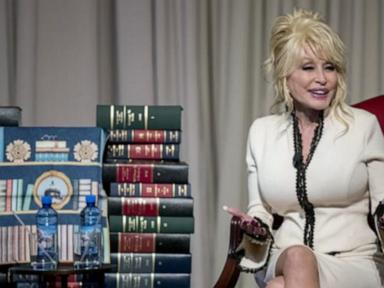
This video captures Dolly Parton discussing her worldview and personal philosophy, illustrating the genuine warmth and down-home wisdom that made her a beloved cultural icon.
http://googleusercontent.com/youtube_content/1