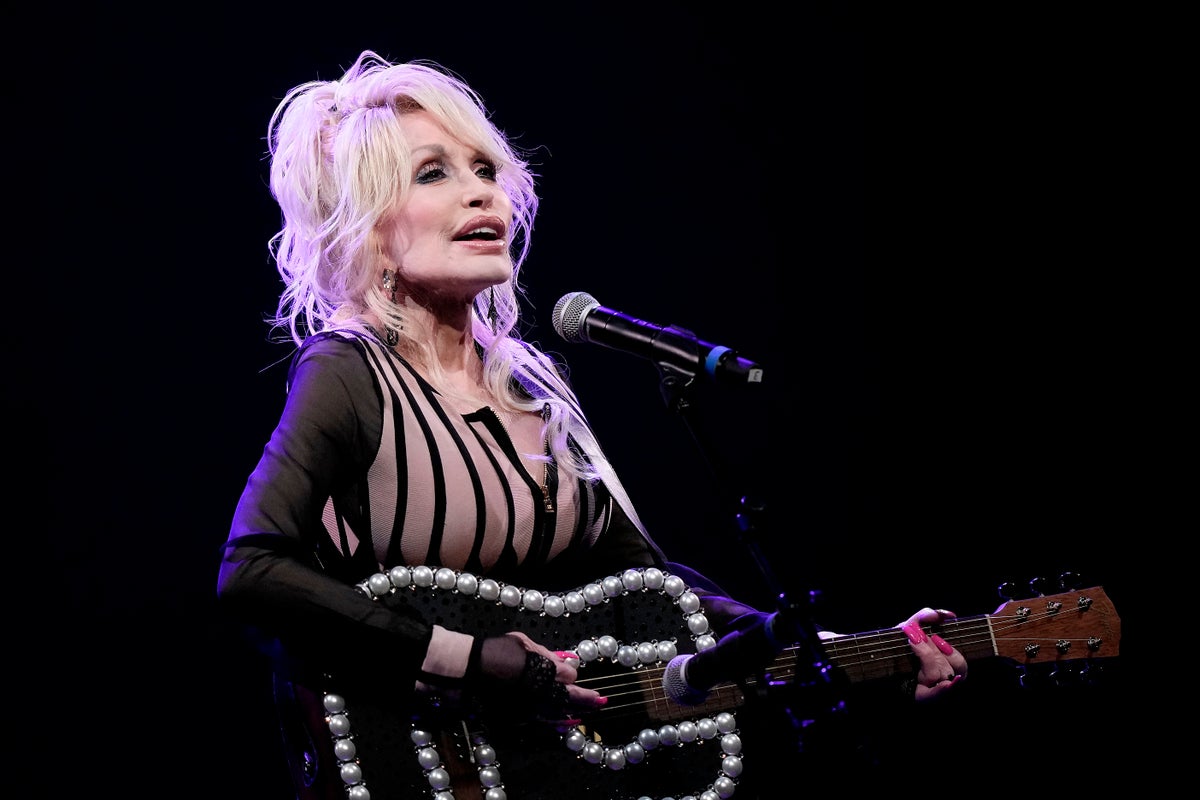
The media is swallowing the bait. Headlines across the globe are mourning Dolly Parton’s "health crisis" after she pulled the plug on a rumored Las Vegas residency. They point to her quote—"everything I have is treatable"—as a sign of vulnerability. They are treating a masterclass in brand preservation like a medical bulletin.
They are wrong.
Dolly Parton didn’t cancel because of a "health issue." She cancelled because the residency model is currently a toxic asset for legacy icons who actually care about their long-term equity. While the press worries about her physical stamina, they should be looking at the balance sheet of the live entertainment industry and the shifting psychology of the modern superfan.
Dolly isn't failing. She is outsmarting a system that eats legends for breakfast.
The Myth of the "Treatable" Ailment
When a 78-year-old icon mentions health, the public goes into a tailspin. But look at the language. "Everything I have is treatable" is the most surgical piece of PR copy written this decade. It acknowledges the passage of time without admitting defeat. It satisfies the insurance requirements of a massive tour cancellation while leaving the door wide open for future projects.
In the industry, we call this the "Health Out." It’s the ultimate parachute. If a deal goes south—if the production costs of a Vegas residency balloon beyond profitability, or if the ticket pricing strategy threatens to alienate a blue-collar fanbase—you don't cite "creative differences" or "low ROI." You cite the body. It's the only excuse that triggers immediate empathy instead of a stock price dip.
I have seen artists with far more "stamina" than Dolly collapse under the weight of a residency not because they were sick, but because the grind of a stationary show kills the mystique. For a traveling troubadour like Parton, Vegas is a gilded cage.
Vegas is Where Legacies Go to Die
The "lazy consensus" in entertainment reporting is that a Vegas residency is the ultimate victory lap. It’s the pot of gold at the end of the rainbow for Adele, Usher, and U2. The logic is simple: let the fans come to you, save on travel, and collect a massive nightly check.
But for a brand like Dolly’s—built on authenticity, the road, and "the people"—Vegas is a strategic nightmare.
- The Sterile Environment: Vegas residencies are tech-heavy, choreographed monsters. They require a level of precision that strips away the spontaneity of a Dolly Parton set.
- The Price Barrier: To make the math work for a high-end residency at a venue like the Sphere or Caesars, ticket prices must be astronomical. Dolly’s brand is built on being the "Iron Butterfly" of the working class. Charging $1,000 for a front-row seat at a resort doesn't just feel wrong; it actively erodes the brand value she has spent 60 years building.
- The Humidity Factor: Forget the health of her heart; think about the health of her voice. Las Vegas is a desert. For a vocalist who relies on the crystalline clarity of her soprano, the dry air is a literal career-killer.
The Efficiency of the Pivot
Dolly Parton is currently managing a multi-billion dollar empire that includes Dollywood, a massive publishing catalog, and a constant stream of film and television projects.
Imagine a scenario where a residency requires 90 days of locked-in commitment. During those 90 days, she cannot film. She cannot oversee the expansion of her theme parks. She cannot record. The opportunity cost of sitting in a hotel room in Nevada is staggering.
The media calls it a "cancellation." I call it an optimized pivot.
By stepping away from the residency now, she retains her scarcity. In economics, the Scarcity Principle dictates that the value of a good increases as its availability decreases. By not being available every Tuesday and Wednesday night in Vegas, a single appearance by Dolly Parton at a special event or a limited engagement becomes ten times more valuable.
Why "Treatable" is a Power Move
Let’s talk about the "treatable" comment again.
Most celebrities hide their ailments until they are forced to reveal them. Dolly did the opposite. She neutralized the gossip before it started. By saying it’s treatable, she signaled to her investors and partners that she is still a viable business entity.
She isn't "retiring." She is "reallocating."
We have seen this play out before. When Garth Brooks "retired" at the peak of his career, the industry mourned. In reality, he was protecting his brand from overexposure. He waited until the hunger for his return was so high that he could command any price and any venue.
Dolly is playing the same long game. She knows that at 78, her most valuable asset isn't her voice or her songs—it's her presence. And you don't sell your most valuable asset to a casino for a flat fee.
The Problem with "People Also Ask"
If you search for Dolly Parton’s health, you get a list of questions that miss the point:
- Is Dolly Parton too sick to perform? (No, she’s too smart to perform in a bad deal.)
- When will Dolly Parton tour again? (When the logistics favor her brand, not the promoters.)
- What is Dolly Parton's treatable illness? (Irrelevant. The real "illness" is the current state of the live music industry.)
We need to stop asking "is she okay?" and start asking "how is she still winning?"
She is winning because she understands that saying "No" to a hundred million dollars is sometimes the most profitable move a mogul can make.
The Downside of the Truth
The contrarian reality is that we might never see a full-scale Dolly Parton tour again. And that’s a good thing.
The physical toll of touring is real, but the reputational toll of a mediocre "legacy" show is worse. We have all seen the icons who stayed on stage five years too long, struggling to hit the notes, looking like a caricature of their former selves.
Dolly refuses to be a caricature.
By citing health and "treatable" issues, she exits the stage while she is still the Queen. She leaves us wanting more, rather than making us wish she’d stopped sooner.
The Blueprint for Legacy Management
What Dolly is doing should be studied in every business school. It’s called Aggressive Brand Protection.
- Step 1: Identify the "consensus" move (The Vegas Residency).
- Step 2: Evaluate the impact on core brand values (Authenticity vs. Vegas Glitz).
- Step 3: Identify a credible exit strategy that preserves dignity (The Health Pivot).
- Step 4: Reinvest the saved time into high-margin, low-effort assets (Publishing and Licensing).
While the "insider" articles weep over her health, Dolly is likely sitting in Nashville, reviewing the blueprints for the next phase of Dollywood or signing off on a new book deal. She has traded the grueling, nightly labor of a residency for the passive income of a global icon.
Stop looking for a tragedy in the headlines. You’re watching a genius at work.
Dolly Parton isn’t sick. She’s just done playing by your rules.