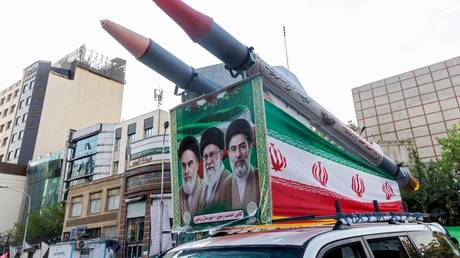
Foreign policy rarely goes according to plan. Donald Trump just learned this lesson the hard way in the Middle East, opting to pull the plug on rapid-fire negotiations and pivot toward a long game of economic attrition against Tehran.
For months, the White House pushed a high-octane campaign meant to force a quick capitulation. That blitz didn't work. Behind closed doors, administration officials are now describing the new operational philosophy quite simply: moving away from trying to hammer Iran right away and shifting toward strangling their economy over time.
The Reality Check in the Strait of Hormuz
You don't need a degree in geopolitics to see why the original blueprint stalled. The primary roadblock sits in the narrow waters of the Strait of Hormuz. Despite repeated assertions from Washington that shipping lanes are clear and operations are back to normal, commercial data tells a different story. Tankers keep dodging hazards, transit numbers remain depressed, and military planners ran into hard limits regarding precision munitions and target availability.
Trump ordered key negotiators—including Vice President JD Vance, Jared Kushner, and special envoy Steve Witkoff—to halt all direct and indirect engagement with Iranian counterparts. Truth Social posts made it official: there are no talks happening, and none are scheduled.
This freeze comes on the heels of mounting frustration over alternative diplomatic tracks. Oman stepped in to try and broker a separate arrangement for managing ship traffic through the gulf. Washington hated the resulting proposals. White House aides balked at provisions that could allow Iran or regional intermediaries to collect transit fees or exert joint control over the waterway. Trump wants absolute, unrestricted freedom of navigation, not a compromised bureaucratic arrangement that validates Tehran's leverage.
Shifting From Shock to Squeeze
Attrition is a brutal game. When direct strikes and rapid diplomatic ultimatums fail to secure a total surrender, leaders usually fall back on economic blockades and financial isolation.
The administration is betting that time works against the Iranian regime. By keeping the naval blockade on Iranian ports tightly sealed and lining up fresh waves of severe economic sanctions, the White House hopes to starve Tehran of the revenues it needs to sustain its operations. Officials are banking on domestic pressure mounting inside Iran until leadership finally decides compliance is cheaper than defiance.
Of course, this strategy carries deep risks. Tehran is playing its own waiting game, betting that political pressure back home and the burden of high fuel prices will eventually wear down Washington's resolve. When two sides refuse to blink, stalemates drag on for years.
Expect tougher economic restrictions to hit international shipping markets immediately. Watch how regional intermediaries respond to Washington's hardline stance on maritime tolls. The quick victory is off the table, and the war of endurance has officially begun.