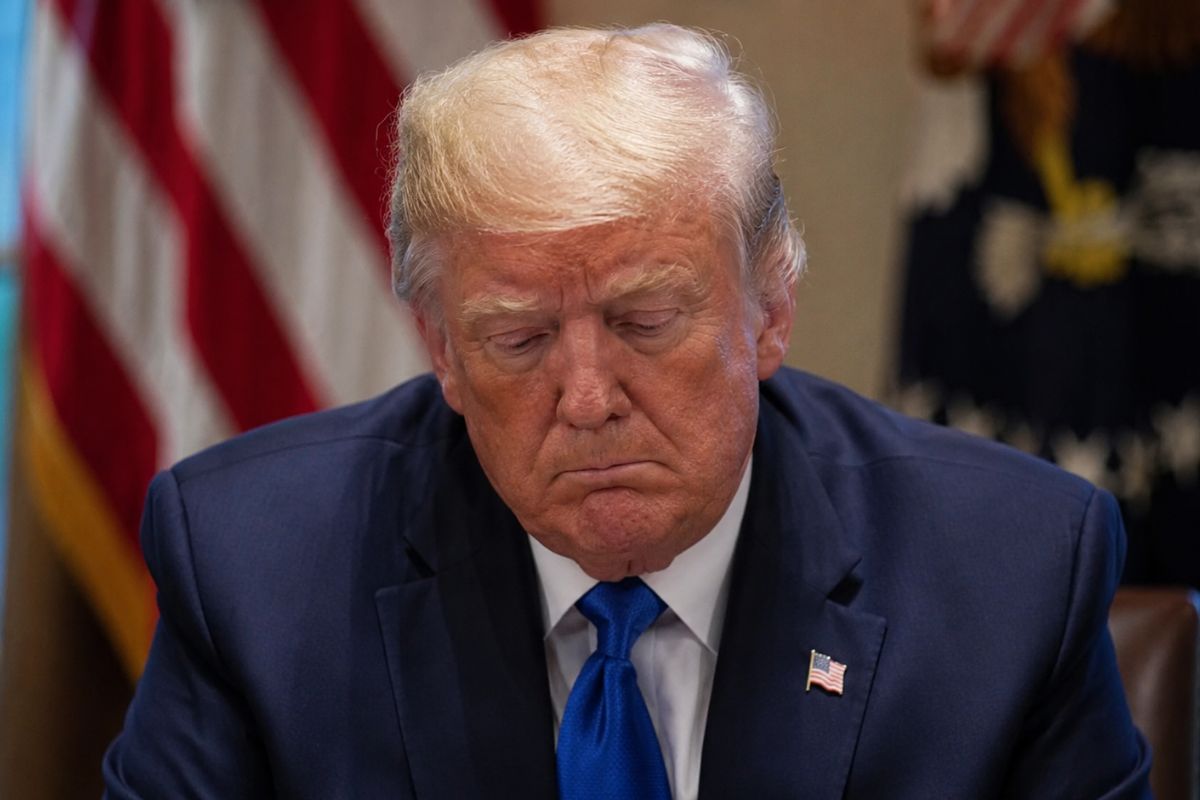
Donald Trump’s plan to slap a blanket 10% tariff on basically everything coming into America just hit a massive legal wall. It’s not just a minor speed bump. A federal court essentially told the former president that he doesn't have the "king-like" power to tax imports whenever he feels like it. If you’ve been following the trade wars, you know this is a huge blow to the America First agenda.
The ruling is a clear win for retailers and consumers who were looking at a massive price hike. Trump has always viewed tariffs as a way to "make other countries pay," but the reality is simpler. US companies pay those taxes. Then they pass those costs to you. The court saw through the political theater and focused on the legal limits of executive power.
The Legal Reality Trump Ignored
The US Court of International Trade didn't mince words. They looked at the statutes Trump’s team used to justify the broad 10% levy and found them lacking. Most of these trade powers are granted to the President under Section 232 or Section 301, which require specific investigations into national security or unfair trade practices. You can't just wake up and decide a 10% tax applies to everyone because it sounds good on a campaign trail.
The judges focused on the fact that Congress holds the power of the purse. While they've delegated some authority to the President over the decades, it isn't a blank check. Trump's legal team tried to argue that "national security" is a broad enough bucket to include general economic health. The court didn't buy it. They ruled that without a specific, evidence-based link to a security threat, the tariff is illegal.
It's a classic case of executive overreach meeting the judicial branch's "no" button.
What This Means for Your Wallet
If this tariff had gone through, your life would’ve gotten more expensive almost instantly. We're talking about everything from the shoes on your feet to the phone in your pocket. Economists from the Peterson Institute for International Economics previously estimated that a 10% across-the-board tariff would cost the average American household about $1,700 a year.
Businesses operate on thin margins. When a 10% tax hits the port, a company like Walmart or Target isn't just going to eat that cost. They'll raise the price of a $20 toaster to $23 or $24 to cover the tax and the administrative headache. The court’s decision effectively pauses that inflation spike.
Critics of the ruling say it weakens the US's hand in negotiations with China or the EU. But honestly, using a blunt instrument like a 10% blanket tariff is like using a sledgehammer to fix a watch. It's messy. It's loud. It breaks things that didn't need breaking.
The Separation of Powers Still Works
This case is a reminder that the US system has guards in place. Trump has often pushed the boundaries of what a president can do via executive order. He treats the office like a CEO position, but the government has a board of directors called the Judiciary that actually has teeth.
The court highlighted that trade policy must be "predictable and based on law." When a president acts on a whim, it creates chaos in the global markets. Shipping companies don't know what to charge. Manufacturers don't know where to build factories. This ruling brings a bit of sanity back to the supply chain.
Why Section 232 Isn't a Magic Wand
Trump’s favorite tool, Section 232 of the Trade Expansion Act of 1962, was meant for things like steel and aluminum—materials vital for tanks and jets. Trying to apply that logic to toys or coffee beans is a stretch that even the most conservative judges find hard to stomach. The court's decision signals that "National Security" isn't a "get out of jail free" card for bypasssing Congress on taxes.
What Happens to the Trade War Now
Don't think for a second that this is the end of the trade war. Trump’s team is already planning an appeal. They’ll likely take this all the way to the Supreme Court. They’re betting that the conservative majority there might have a broader view of presidential power.
But for now, the 10% plan is dead in the water.
Businesses are breathing a sigh of relief, but they're also staying cautious. The volatility is the point. Even if the tariff is illegal today, the threat of it tomorrow keeps the markets on edge. If you're a business owner, you should still be looking at diversifying your supply chain away from high-risk regions.
The court gave us a win for the rule of law, but the political battle over who pays for imports is just getting started. Keep an eye on the appellate court filings over the next few months. That's where the real future of your purchasing power will be decided.
Stop waiting for the government to fix your costs. If you're importing goods, start auditing your HTS codes and looking for legitimate exemptions now. Use this window of legal clarity to lock in contracts before the next legal or political firestorm hits.