The Strait of Hormuz is the world's most volatile energy choke point, and Washington just cranked the rhetoric up to a dangerous new level.
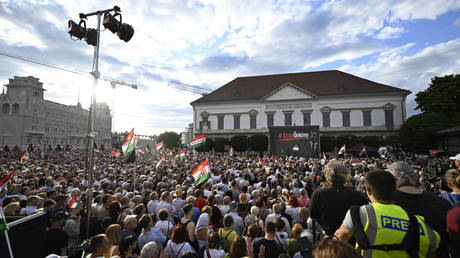
Donald Trump told a political rally in Garden City, New York, that the United States would "pretty soon" declare the strategic waterway an American territory once the ongoing war with Iran concludes. It was a vintage piece of political theater designed to project absolute dominance. Tehran didn't wait twenty-four hours to fire back, exposing the massive gap between campaign trail boasts and hard maritime reality. In related news, we also covered: Why Lebanon Prime Minister Nawaf Salam Says Israel Must Halt This Escalation Right Now.
If you think this was just another harmless war of words, you are missing how close the global oil trade is to snapping.
The Reality Behind the Territorial Claim
Trump insisted at his New York appearance that the U.S. military maintains "total control" over the corridor through an imposing naval blockade. He defended higher domestic gasoline prices by framing them as a necessary sacrifice to squeeze an adversary and prevent nuclear escalation. The New York Times has provided coverage on this important issue in great detail.
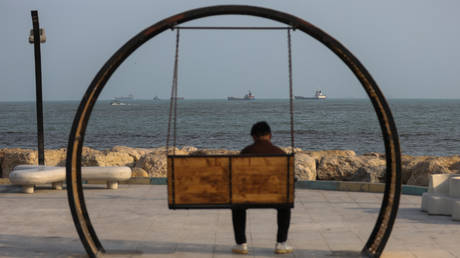
Here is what public statements ignore: the Strait of Hormuz isn't a parking lot you can annex by executive order. Roughly a fifth of the world's seaborne oil supplies historically move through this narrow channel flanked by Iran and Oman. Since the outbreak of open hostilities in February, traffic through the strait has plummeted to a fraction of its normal baseline. Tankers are dodging attacks, insurance rates have skyrocketed, and regional tensions are bleeding directly into Western domestic politics ahead of the midterms.
Claiming a sovereign international strait as U.S. territory sounds great at a podium, but international maritime law treats such declarations as legal fiction. You cannot simply rewrite geography with a microphone.
How Tehran Responded
Iran's leadership treated the territorial threat with immediate contempt. Kazem Gharibabadi, Iran's deputy foreign minister for legal and international affairs, took to social media to blast the comments as fanciful delusions.
"The Strait of Hormuz cannot be seized by tweet, nor by aircraft carrier, nor by issuing an order, nor by an election speech," Gharibabadi wrote. He emphasized that the waterway "has been Iranian, is Iranian, and will remain Iranian" under Tehran's direct command.
Chief Justice Gholam-Hossein Mohseni-Eje'i piled on, dismissing the U.S. president as a featherbrained individual whose statements stem from pure domestic political fantasy. Behind the sharp retorts lies a stubborn military stalemate. Iran has maintained a choke hold on the passage, and while Oman has engaged in separate talks with Tehran to carve out safe pilot routes for commercial shipping, peace negotiations with Washington remain completely deadlocked.
Tehran's baseline conditions for reopening the passage remain punishingly strict. They want comprehensive sanction relief, frozen assets released, and formal compensation for war damages before a single commercial vessel moves freely again.
The Economic Cost at Home
Washington's strategy relies on an indefinite naval blockade to starve Iran's economy. But that strategy has a massive political cost. Energy prices remain stubbornly high, forcing American drivers to absorb the shock at the pump.
When politicians tell you that paying four dollars a gallon is a patriotic duty to stop an evil regime, they are trying to mask a deeper policy failure. The blockade has created an economic tit-for-tat where neither side can deliver a knockout punch. Iran throttles the oil supply, the U.S. seals off Iranian ports, and global markets bear the brunt of the volatility.
What Comes Next for Global Shipping
Ignore the public bluster about annexing international waters. Pay attention to what the transit numbers and regional intermediaries are actually doing.
Oman continues to act as a crucial diplomatic bridge, trying to broker temporary technical paths for commercial vessels to bypass the worst of the naval standoff. Shipping companies are operating on razor-thin margins of safety, relying on fragmented security updates from bodies like the United Kingdom Maritime Trade Operations rather than ironclad guarantees from superpowers.
If you manage supply chains or track energy commodities, stop waiting for a clean political settlement. Prepare for a prolonged period of fractured maritime security where regional actors dictate the terms of passage, regardless of what anyone says behind a podium in New York.