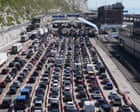
If you're planning to drive from the UK to Europe this weekend, you might want to pack an extra dose of patience—and maybe a lot of bottled water. The great summer getaway is officially here, and with it comes a massive headache at the Port of Dover.
The transition to peak summer travel is colliding head-on with the rollout of the European Union’s Entry-Exit System (EES). The result is a perfect storm of traffic jams, delayed departures, and frustrated families sitting in stationary cars on the roads of Kent.
While it’s easy to blame the usual holiday rush, the real culprit this year is a bureaucratic nightmare of digital border technology that is not working the way it should.
The Forty Million Pound White Elephant
The Port of Dover spent £40 million on a state-of-the-art processing facility at the Western Docks, complete with 84 automated biometric kiosks designed to speed up the registration of non-EU travellers.
The problem? They’re currently sitting completely idle.
Because of software and integration issues on the French side, the French border police (Police Aux Frontières) haven't turned the machines on. Instead, French officers are having to manually register car passengers and create digital travel files at the border booths.
While they aren’t capturing full biometrics like fingerprints and facial scans for every driver yet, the manual data entry still adds precious minutes to every single vehicle check. Multiply those extra minutes by the 7,500 cars expected on Friday and the 10,000 lining up on Saturday, and you quickly get a recipe for gridlock.
During the May half-term, a similar bottleneck with fewer cars caused delays of up to four and a half hours. This weekend is expected to be much busier.
Why This Isn't Just a Dover Problem
While Dover is the most visible flashpoint, the ripple effects are spreading.
- Domestic Tourism Surge: The threat of border chaos, combined with airline delays and rising fares, has actually pushed British domestic holidays to their highest levels since the pandemic. People are choosing to stay in the UK rather than risk getting stuck in cross-Channel traffic.
- Severe Road Congestion: The RAC and traffic analysts Inrix expect major delays across the wider road network. Friday and Saturday are set to be the busiest days for road travel since 2022, with the M25 and routes down to the south coast bearing the brunt of the traffic.
- Local Community Impact: When Dover gridlocks, the surrounding Kent highways turn into virtual car parks. This cuts off local businesses, delays freight shipments, and disrupts daily life for residents who have nothing to do with holiday travel.
Eurotunnel, which operates LeShuttle from nearby Folkestone, has stated they expect smoother operations. However, they’ve also invested heavily in biometric kiosks that remain unused due to the same French software delays.
How to Avoid Getting Caught in the Gridlock
If you absolutely must travel through Dover this weekend, you can't bypass the queues entirely, but you can minimise your risk of getting stuck for half a day.
1. Watch the Clock
Do not turn up too early. The Port of Dover is strictly asking holidaymakers to arrive no more than two hours before their scheduled departure. Arriving six hours early doesn't get you on an earlier boat; it just clogs the entrance lanes and makes the queues worse for everyone else.
2. Stick to the Arterial Routes
Avoid trying to use clever GPS shortcuts through local Kent villages. The port authorities have urged drivers to stick exclusively to the main A20 and A2. Local backroads are easily blocked, and police frequently divert traffic back to the main highways anyway.
3. Pack for the Worst-Case Scenario
If you do get caught in a multi-hour queue, you need to be prepared. Ensure you have plenty of drinking water, snacks, essential medications, and entertainment for children. If the weather is warm, sitting in stationary highway traffic quickly becomes incredibly uncomfortable.
4. Keep an Eye on Live Feeds
Don't rely solely on your standard sat-nav. Keep a close eye on the social media channels and live travel updates from the Port of Dover and your ferry operator before you leave the house. If things go sideways, you'll know about it before you hit the point of no return on the motorway.
The UK government recently announced £20 million in funding to help increase processing capacity and add more border booths. French authorities have also promised to increase staffing levels at the juxtaposed controls. However, as the busiest weekend of the summer begins, the real-world test of these measures is finally here.