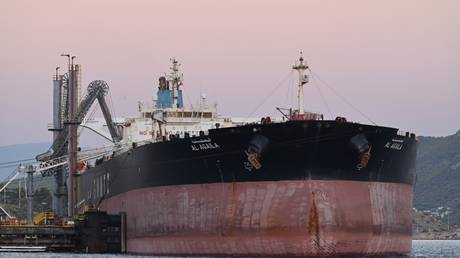
Commercial ships don't stand much chance against cheap, explosive drones when they're loaded with grain or gas and moving slowly through crowded sea lanes. A drone attack off Bulgaria isn't a one-off freak accident anymore. It's a pattern that has rattled crews, spiked insurance rates, and forced shipowners to rethink every mile they sail in the western Black Sea.
When coverage first flagged a ship sinking off Bulgaria's Black Sea coast as the second strike in a week, many readers treated it like just another war-zone headline. Honestly, that misses what's actually happening out there. These strikes have hit inside Bulgaria's exclusive economic zone, right along routes connecting Danube and Black Sea ports with Mediterranean and Middle Eastern markets.
I've watched maritime security advisories evolve over the past several years, and the shift here is unmistakable. Earlier in the conflict, commercial vessels mostly worried about stray mines, GPS spoofing, or occasional missile debris near port approaches. Now merchant hulls—grain carriers, bulkers, and gas tankers—are getting hit by drones in waters adjacent to NATO territory.
What a Drone Attack Off Bulgaria Really Means at Sea
Let's clear up a common misconception right away. People hear "Bulgaria's coast" and picture Bulgarian naval gunboats patrolling right off the beach, ready to swat drones out of the sky. That's not how maritime geography works.
Many of these incidents happen tens of nautical miles offshore inside Bulgaria's exclusive economic zone (EEZ). Under international maritime law, a coastal state holds sovereign rights over economic resources like fishing and seabed energy in its EEZ, not full territorial sovereignty over the water column the way it does inside its 12-nautical-mile territorial sea. Foreign ships still have navigation rights, and patrolling a wide stretch of open water against low-signature aerial drones or unmanned surface vessels is a massive headache.
Look at how fast things can go wrong once a strike hits. In October 2026, two vessels were hit off the Bulgarian coast on October 13, with one sinking and leaving 11 crew members missing at sea, right on the heels of an earlier strike on a grain-carrying vessel that claimed lives. Weeks later, in mid-November 2026, the Somali-flagged cargo ship Betul 8 sank about 40 nautical miles southeast of Cape Kaliakra after being struck by unmanned surface vessels while carrying roughly 3,000 tonnes of wheat from Romania to Egypt; all 12 crew members were rescued in a multi-ship operation. The very next day, the Liberia-flagged LPG tanker Gas Husky disappeared from radar shortly after midnight and later activated a sinking emergency beacon around 50 to 55 nautical miles off the coast after a drone strike reported by maritime security firms, with crew members rescued.
A merchant ship isn't built like a warship. Thin steel hulls, volatile cargo, and small crews mean even a low-cost drone can turn a routine voyage into a midnight abandon-ship drill.
Why keep sending ships through these waters if the risk keeps climbing? Because geography leaves few clean alternatives. Ukrainian grain exports and regional cargo moving out of Romanian and Danube ports rely heavily on the western Black Sea corridor to reach buyers in Egypt, Turkey, and beyond. Rerouting overland across Europe adds bottlenecks, higher freight costs, and capacity limits that can't simply swallow millions of tons of bulk commodities overnight.
Why Attribution Stays Messy and Political
If you're wondering why officials don't always point a single finger with total certainty, welcome to modern gray-zone warfare. Across the Black Sea, Romanian and Bulgarian officials have pointed toward Russia in connection with the wider pattern of strikes, yet Bulgarian authorities have also stressed the lack of conclusive proof of who carried out specific attacks, while Moscow has denied responsibility for deadly drone strikes on commercial vessels in the region.
Even when analysts and maritime intelligence firms track patterns of aerial drones and unmanned surface vessels, proving attribution in real time at sea is hard. Radar tracks can get noisy, wreckage sinks into deep water, and debris doesn't always carry neat calling cards. Meanwhile, domestic politics in littoral states can make public statements even trickier, especially when governments balance maritime safety, NATO coordination, trade ties, and public anxiety over inflation and security.
How Commercial Shipping Adapts When War Risk Spikes
On paper, a shipowner just checks insurance rates, plots a safer course, and collects freight revenue. In practice, that's a recipe for getting burned if you treat war-risk pricing as a spreadsheet exercise.
I've seen operators make two classic mistakes during spikes like this. First, they assume staying closer to shore or hugging a specific coastal corridor automatically keeps them safe. Drones don't care much about your preferred shipping lane if a launch platform or guidance link reaches that sector. Second, they underestimate how quickly war-risk premiums and hull underwriting terms shift after back-to-back casualties.
Let's be real about what actually changes on the ground when ships start sinking:
- War-risk premiums jump fast. Underwriters reprice exposure almost immediately after high-profile hits or sinkings, driving up daily voyage costs for charterers and cargo owners.
- Crews push back or demand hazard pay. Seafarers aren't expendable pawns; unions, crewing agencies, and masters watch casualty reports closely, and reluctance to enter high-threat zones can stall charters.
- State compensation schemes step in to fill gaps. To keep food and cargo moving, governments have explored or rolled out partial compensation mechanisms—such as Ukraine's initiative aimed at covering a share of assessed damage to civilian vessels when commercial war-risk coverage falls short.
- Emergency response becomes a regional relay. Rescue operations increasingly rely on rapid coordination between coast guards, merchant vessels nearby, and neighboring states like Bulgaria, Romania, and Turkey.
What sounds good in theory—like expecting naval escorts for every single grain bulker or LPG carrier—usually breaks down in reality. Escorting every commercial hull across wide waters takes dozens of warships, specialized air and surface counter-drone sensors, and rules of engagement that allies don't always share. Protecting high-value chokepoints and maintaining fast search-and-rescue coverage is far more realistic than promising an airtight shield over every square mile of open sea.
Grain, Gas, and the Ripple Effect on Prices
When a wheat carrier goes down, the shock isn't just local. Wheat is a staple input for flour, bread, and animal feed across import-dependent markets like Egypt, so disruptions along Black Sea export routes feed straight into global commodity anxiety and freight calculations.
Add an LPG tanker to the mix, and the stakes shift again. Liquefied petroleum gas carries obvious fire and explosion hazards if a strike ruptures containment or sparks near machinery spaces. Even when environmental officials report no immediate pollution slick in a given incident, the sheer prospect of a damaged gas or oil tanker near busy coastal waters keeps ports, insurers, and regional authorities on edge.
There's also a diplomatic bottleneck that's hard to ignore. Efforts by countries like Turkey, India, and Egypt to keep food shipments moving under their own flags have run into reluctance from Moscow to guarantee safe passage amid broader Black Sea hostilities. Until real de-escalation or enforceable safe-passage guarantees take hold, commercial shipping is basically operating with a target painted on its schedule.
Practical Steps for Shippers, Analysts, and Watchers
If you track maritime trade, manage supply chains, or simply want to follow this story without falling for rumor threads on social media, don't wait for a dramatic headline to figure out what's happening. Start building a sharper habit around primary maritime signals.
- Cross-check multiple maritime sources before trusting a single report. Early reports after a nighttime distress call or radar disappearance often conflict on exact vessel status, drone count, or crew condition. Compare defense ministry statements, port authorities, and reputable maritime security briefings like Seatrade Maritime or gCaptain.
- Watch war-risk premiums and charter clauses, not just news alerts. If you're involved in freight, procurement, or commodity trading, track how underwriters adjust Black Sea war-risk terms and how charter parties allocate delay and deviation costs. Price moves in wheat and freight often telegraph risk before a major press conference happens.
- Separate EEZ geography from territorial waters. When reading about a strike "off Bulgaria," check the distance and direction from landmarks like Cape Kaliakra or Varna. Knowing whether a vessel was 10 miles out or 50 miles out helps explain response times, jurisdiction, and why patrolling those waters is so tough.
- Prioritize crew safety and distress readiness in high-risk corridors. For operators running vessels anywhere near active conflict zones, clear watchkeeping protocols, hardened emergency communication drills, and realistic evacuation plans save lives when every minute counts.
A drone attack off Bulgaria isn't just a regional security story anymore—it's a stress test of how fragile global trade routes become when cheap unmanned weapons collide with civilian commerce.