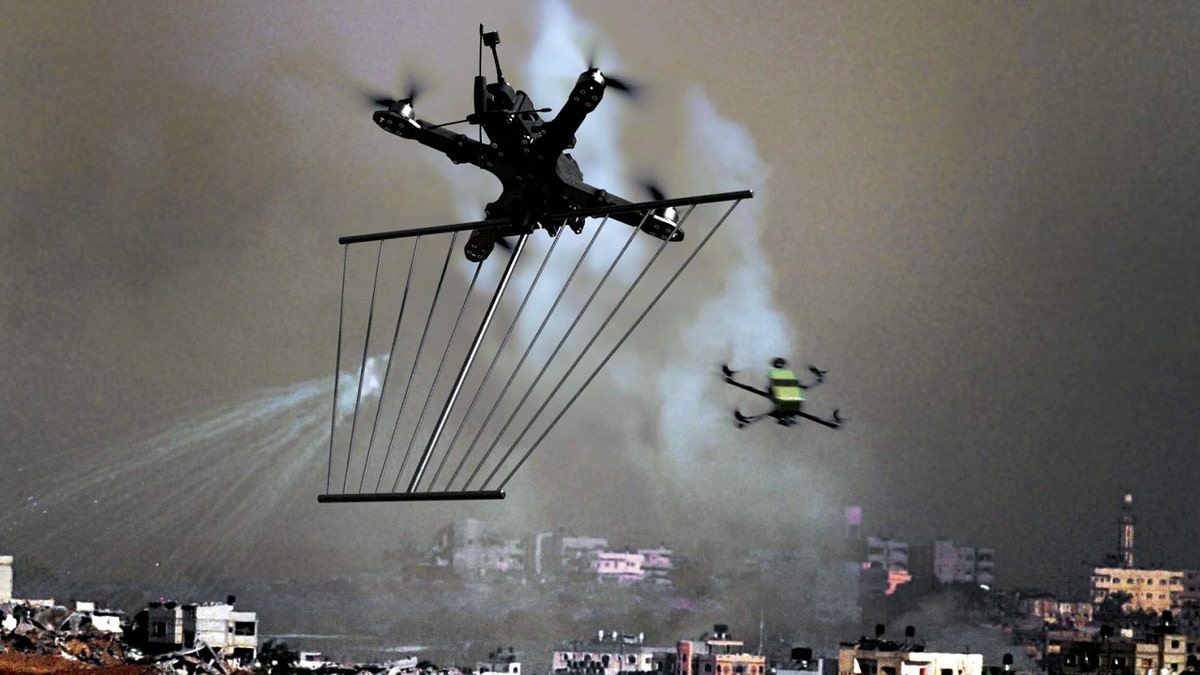
The recent disruption of Amazon Web Services (AWS) operations in Bahrain marks a shift in the vulnerability of global data infrastructure. While the company cited "drone activity" as the primary cause for the service interruption, the incident reveals a much deeper instability in the physical layer of the internet. For years, the industry operated under the assumption that cloud reliability was a matter of redundant code and power backups. We now see that the most sophisticated digital ecosystems on the planet can be throttled by off-the-shelf hardware costing less than a high-end laptop.
The Bahrain region, known as me-south-1, is a cornerstone of Amazon’s strategy to capture the Middle Eastern market. It provides low-latency compute power to government entities, financial institutions, and the growing startup scene in the Gulf. When drones entered the restricted airspace around these facilities, the response was immediate. Traffic stalled. Latency spiked. The cloud, often described as an ethereal and untouchable resource, was suddenly grounded by the physical reality of regional security.
The Fragility of the Physical Layer
We talk about the cloud as if it exists in a vacuum. It does not. It exists in windowless concrete buildings packed with servers, cooling pipes, and high-voltage interconnects. These sites are the high-value targets of the modern era. While cybersecurity teams spend billions defending against SQL injections and ransomware, the perimeter fence remains the weakest link.
The disruption in Bahrain was not a "hack" in the traditional sense. It was a demonstration of kinetic interference. When drones fly near critical infrastructure, standard operating procedures often dictate a defensive posture that can include powering down sensitive equipment or rerouting traffic to prevent data exfiltration via rogue signals. In this case, the mere presence of unidentified aerial vehicles was enough to force a degradation of service.
This is the new reality of "Availability Zones." Amazon divides its regions into isolated locations to ensure that a failure in one doesn't sink the others. But if a drone swarm can threaten the physical security of a data center complex, the geographical separation of these zones becomes less of a shield and more of a map for potential disruption.
Security Protocols vs. Reality
Data centers are traditionally guarded like Fort Knox. Biometric scanners, man-traps, and 24/7 surveillance are standard. However, these measures are designed to keep people out. They are almost entirely useless against an object dropped from 500 feet or a camera hovering at a precise angle to capture electromagnetic leakage from server racks.
The Bahrain incident suggests that the current defensive "stack" is incomplete. To truly secure a region, a provider now needs more than just firewalls; they need active counter-drone technology. This creates a legal and ethical quagmire. In many jurisdictions, jamming or Downing a drone is a violation of aviation laws or signal interference regulations. Amazon and its peers are finding themselves in a position where they must defend their uptime against threats the law hasn't yet caught up with.
Why Bahrain Matters to Global Tech
Bahrain was the first AWS region in the Middle East, beating out regional rivals to host the tech giant in 2019. It was a massive win for the Kingdom’s "Cloud First" policy. By moving government workloads to AWS, Bahrain sought to modernize its bureaucracy and attract international investment.
When that infrastructure falters, it isn't just a headache for developers. It is a matter of national utility.
- Banking systems rely on these instances for real-time transaction processing.
- Logistics hubs use the cloud to manage the flow of goods through some of the world's busiest shipping lanes.
- Government services from health records to ID verification live on these servers.
A disruption of this nature sends a clear signal to the rest of the GCC (Gulf Cooperation Council). It proves that digital transformation is a double-edged sword. As you centralize your nation's intelligence and economy into a handful of data centers, you create a "single point of failure" that is far easier to target than a decentralized network of paper records and local servers.
The Cost of Proximity
The Middle East is a unique theater for technology. It is a region with high capital and a thirst for modernization, but it is also a landscape of persistent geopolitical friction. Building a massive data hub in this environment is a calculated risk. AWS, Microsoft Azure, and Google Cloud have all doubled down on the region, but they are now facing the reality that their physical assets are being drawn into local conflicts.
Drones are the weapon of choice for asymmetric disruption. They are cheap, anonymous, and effective. By buzzing a data center, an actor can cause millions of dollars in economic friction without ever firing a shot or leaving a digital footprint.
The Engineering Response to Kinetic Threats
The industry is currently scrambling to adapt. We are seeing a move toward "hardened" data centers that incorporate signal-shielding materials into their construction. This isn't just about keeping the weather out anymore; it's about creating a Faraday cage on a massive scale.
Engineers are also looking at more aggressive failover logic. Traditionally, if a data center lost power, it would switch to generators. If it lost a fiber line, it would route through a backup. But how do you program an automated system to respond to "unauthorized aerial activity"?
The current solution is manual intervention. Humans in a security operations center make the call to shift workloads. This is slow. In the world of high-frequency trading or automated logistics, a thirty-minute delay is an eternity. The next generation of cloud architecture will likely include "threat-aware" routing that can automatically vacate a physical site based on local security feeds.
Regional Sovereignty and Localized Risks
The push for "Sovereign Clouds" has intensified. Governments want their data stored within their borders to maintain control and privacy. However, the Bahrain incident highlights the trade-off. If all your national data is stored in one or two domestic regions, you are highly vulnerable to localized physical disruptions.
True resilience may require a move back toward true decentralization, or at least a more robust cross-border redundancy plan that ignores national boundaries in favor of uptime. But that brings us back to the primary conflict of the digital age: the tension between the borderless nature of data and the very real borders of the physical world.
The Economic Impact of the "Drone Tax"
Every time a region goes dark or even flickers, the "trust deficit" grows. For AWS, the Bahrain disruption isn't just a technical glitch; it's a line item on a balance sheet. The cost of implementing counter-drone measures, increased insurance premiums for high-risk zones, and the potential for SLA (Service Level Agreement) payouts adds up to a "drone tax" on cloud operations.
This cost will eventually be passed down to the consumer. Doing business in volatile regions will become more expensive, not because of the cost of electricity or labor, but because of the cost of security.
The disruption in Bahrain is a warning. It is a signal that the era of "set it and forget it" infrastructure is over. As the cloud expands into every corner of the globe, it must contend with the local realities of those corners.
AWS and its competitors must now decide if they are just technology providers or if they are, in fact, private security entities responsible for defending the world's most valuable resource. The fence is no longer enough. The sky is now part of the perimeter.
Hardening the Edge
The immediate step for any enterprise operating in the Middle East is to re-evaluate their multi-region strategy. Relying on a single point of presence in a volatile area is no longer a viable business plan.
Redundancy must be physical.
Companies need to ensure that their critical workloads can failover to a completely different geographical jurisdiction, even if it means dealing with the regulatory hurdles of moving data across borders. The peace of mind offered by local data residency is an illusion if the local facility can be paralyzed by a consumer-grade drone.
We are entering a period where the "Cloud" will be defined by its ability to withstand the ground. The Bahrain incident was a test. The next one will likely be more coordinated, more sustained, and far more damaging to the global economy.
Those who wait for a second warning will find themselves in the dark when the next swarm arrives. Audit your physical dependencies now. Ensure your failover isn't just a different rack in the same building. Use multiple providers. Use multiple continents. The cost of redundancy is high, but the cost of a total standstill is terminal.