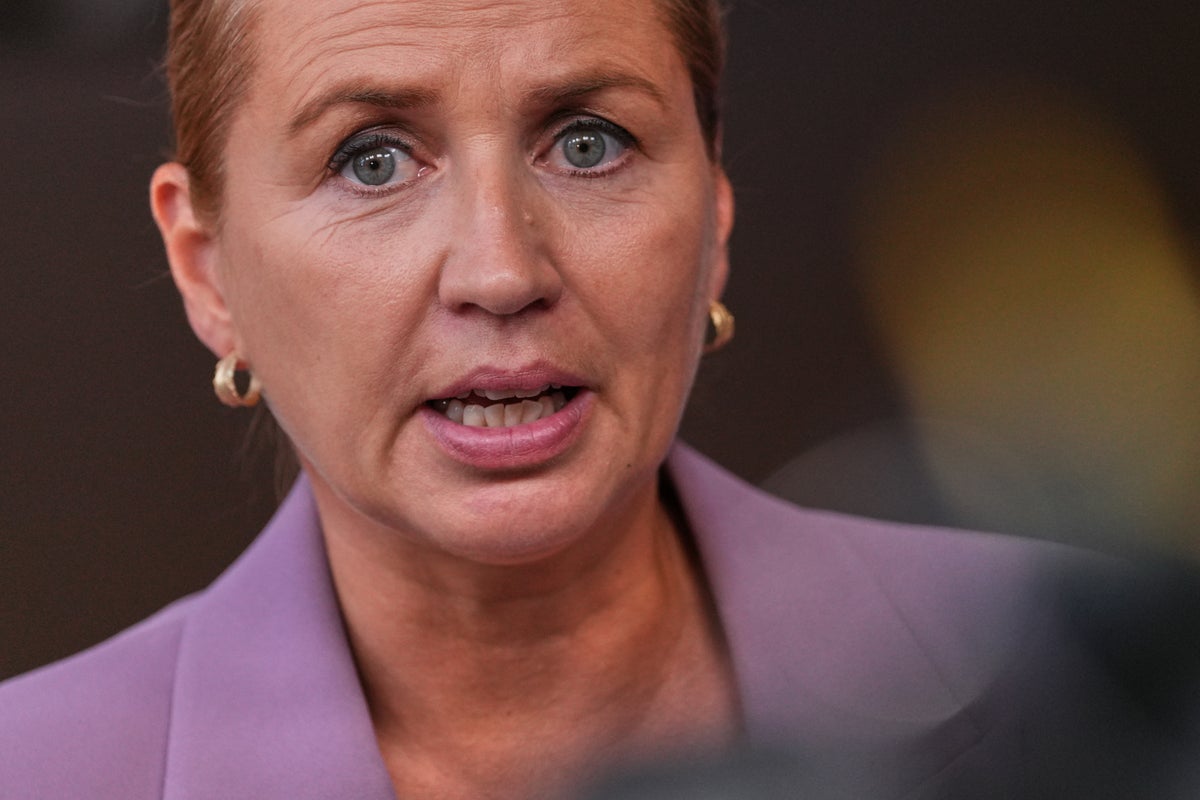
Digital spaces have systematically lowered the transaction costs of interpersonal intrusion, allowing aesthetic practitioners to transform public visibility into direct sales funnels. When Danish Prime Minister Mette Frederiksen exposed a plastic surgeon offering unsolicited cosmetic alterations to her nose upon her return from active air raid zones in Ukraine, the incident laid bare an aggressive commercial mechanism. This dynamic reveals how modern digital platforms merge professional outreach with targeted aesthetic panopticism, converting political leadership and public prominence into raw material for cosmetic conversion strategies.
The Mechanics of Aesthetic Conversion Architecture
The transmission of unsolicited aesthetic recommendations operates on a predictable marketing funnel optimized for digital engagement. Medical professionals and aesthetic clinic operators utilize public visibility as an automated prospecting database. Instead of waiting for inbound consumer demand, proactive outreach targets prominent figures under the guise of consultative care. You might also find this connected story interesting: The Line Across the Asphalt.
This behavior relies on three distinct operational variables:
- Low Marginal Cost of Outbound Messaging: Social media direct messaging features eliminate communication friction, permitting infinite scale for unsolicited professional pitches.
- Authority Asymmetry: Aligning high-profile individuals with real or perceived aesthetic deficits establishes an artificial diagnostic baseline controlled entirely by the practitioner.
- Manufactured Urgency: Framing natural physiological aging or unique facial markers as actionable pathologies creates psychological leverage designed to induce corrective spending.
When a practitioner evaluates a head of state returning from geopolitical crises and isolates a minor physical trait for correction, the interaction exposes the erosion of professional boundaries. The underlying market logic assumes that high public visibility equates to an implicit consent for continuous bodily evaluation. As reported in latest articles by BBC News, the implications are notable.
The Asymmetry of Public Scrutiny and Professional Ethics
Traditional medical ethics rely on patient-initiated consultation, ensuring that diagnostic interventions respond directly to individual agency and informed consent. The digitization of aesthetic medicine subverts this framework by transforming physicians into active market-makers who hunt for deficiencies within public populations.
The asymmetry deepens along demographic and gender lines. Public figures who navigate high-stress executive roles face disproportionate scrutiny regarding physical markers of maturation. Biological aging in women is frequently coded in commercial terms as a management failure rather than a natural developmental stage.
- The Diagnostic Overreach: Converting uninvited observations into clinical recommendations devalues professional expertise, turning specialized medical training into a blunt instrument of social policing.
- The Attention Economy Feedback Loop: Public rejections of these intrusions, such as Frederiksen’s public dismissal, inadvertently generate secondary exposure for the practitioner, neutralizing the reputational cost of boundary violations through raw impression metrics.
Systemic Responses to Digital Surveillance
Countering unsolicited aesthetic intrusion requires moving past individual expressions of indignation toward structural friction. Public figures and digital platform users alike absorb the friction of constant aesthetic evaluation because current interface designs reward high-engagement friction.
The operational playbook for mitigating this dynamic relies on two distinct defensive measures:
- Public Exposure of Boundary Breaches: Publishing unredacted communications strips perpetrators of anonymity, converting outbound sales attempts into public case studies of unprofessional conduct.
- Re-establishing Boundary Parameters: Explicitly redirecting communication channels toward substantive policy or operational discourse forces a hard reset on the transactional terms of engagement.
The proliferation of digital cosmetic prospecting will continue to expand until the reputational and operational penalties of uninvited diagnostic outreach outweigh the conversion potential. Restoring equilibrium demands treating unsolicited bodily commentary not as harmless marketing, but as a structural breach of professional decorum.
To permanently alter this incentive structure, platform regulators and professional medical boards must classify unsolicited diagnostic outreach to non-patients as a violation of digital professional conduct, embedding algorithmic rate-limiting and automatic account penalties for accounts that scale uninvited aesthetic evaluations.