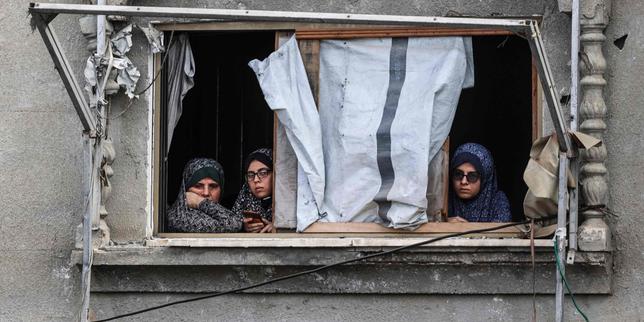
Diplomatic patience has worn thin. Eight major Muslim-majority nations recently stepped forward to condemn the rhetoric coming from specific Israeli ministers regarding the forced displacement of Palestinians in the Gaza Strip. This isn't just another routine diplomatic note. It's a sharp, coordinated pushback against rhetoric that threatens to redraw the regional map by force.
When ministers openly discuss pushing populations across borders, the international community usually responds with muted concern. This time, the reaction was swift, blunt, and unified. You need to understand why this specific condemnation matters, what triggered it, and where regional dynamics are heading next.
The Breaking Point Behind the Joint Condemnation
Words have weight in geopolitics. For months, statements from hardline figures inside the Israeli government regarding the resettlement of Gaza's population sparked quiet alarm in Cairo, Amman, Riyadh, and beyond. Those whispers turned into public outrage once plans or suggestions of mass displacement transitioned from fringe ideas to recurring talking points from active cabinet members.
Egypt and Jordan bear the immediate geopolitical brunt of any forced migration scenario. If millions of displaced individuals cross their borders, their internal stability faces an unprecedented stress test. That's why leaders from these nations, alongside regional powerhouses, decided silence was no longer an option.
Who Signed the Statement and Why It Counts
Diplomacy relies on coalitions. When a single nation complains, it gets ignored. When eight distinct governments speak with one voice, capitals in Washington and Brussels have to pick up the phone.
The coalition represents a broad cross-section of the Middle East and North Africa. They didn't hide behind diplomatic jargon. They used terms that left zero room for misinterpretation, explicitly rejecting any policy aimed at uprooting Palestinians from their homeland.
- Regional security agreements hang in the balance.
- Economic partnerships face immediate political hurdles.
- Public pressure inside these nations makes inaction politically fatal for local leaders.
The Real Agenda Behind Displacement Rhetoric
Let's look past the press releases. Why do certain political figures keep floating these relocation ideas? Domestic political survival plays a massive role. Hardline coalitions rely on nationalist fervor to maintain power, pushing extreme policies that appeal to their base regardless of international fallout.
However, treating these statements as mere domestic posturing is a dangerous mistake. Neighboring countries know that unchecked rhetoric normalizes extreme outcomes. If you talk about displacement long enough, administrative plans start forming behind closed doors.
Egypt has made its red lines crystal clear. Amman has done the same. They aren't bluffing. Moving populations violates international law, but more importantly, it destroys the fragile security architecture that keeps the entire region from sliding into all-out war.
What This Means for Global Diplomacy
Western allies find themselves in an increasingly uncomfortable corner. They preach adherence to international law while trying to manage volatile political partners in the Middle East. When eight nations condemn Israeli ministerial statements in the strongest possible terms, it puts direct pressure on Western capitals to stop offering unconditional diplomatic cover.
You're watching a fundamental shift in how regional actors handle crises. Instead of waiting for the United States or the United Nations to lead, local powers are drawing their own boundaries. They are telling international partners that stability requires real consequences for inflammatory political speech.
Pay attention to how trade agreements, bilateral talks, and security summits unfold over the coming months. The rhetoric has hardened into policy positions. If cabinet members continue advocating for territorial changes through displacement, expect these eight nations to escalate from joint statements to concrete economic and diplomatic countermeasures.
Protecting regional stability means shutting down radical proposals before they gain operational momentum. The joint statement drew a line in the sand. Now the test is whether international pressure can force a permanent retreat from policies that threaten millions of lives.


