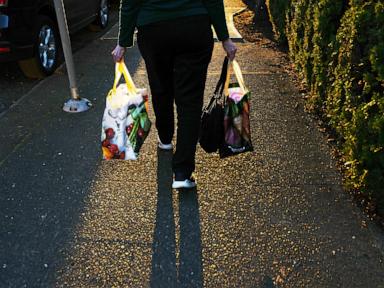
The modern household surplus of reusable shopping bags is not a failure of individual discipline; it is a structural failure of logistics and feedback loops. When single-use plastic bags were restricted or taxed, consumer behavior shifted toward purchasing or accumulating non-woven polypropylene, cotton, and heavy plastic tote bags. However, the accumulation rate of these bags systematically outpaces their degradation rate or utility cycle. A typical household acquires bags faster than consumption velocity requires, turning the home into an accidental distribution warehouse. Solving this requires analyzing the storage, retrieval, and repatriation loops of the domestic supply chain.
The Accumulation Mechanics of Consumer Totes
Bags enter the home via an asymmetric transaction. Retailers distribute them at the point of sale as an optional utility, but consumers rarely remove them with equivalent frequency. Each shopping trip introduces an incremental unit of inventory that possesses near-zero marginal cost at purchase, yet incurs long-term spatial and cognitive costs once stored.
This creates a classic inventory bloating problem. Without a reverse logistics mechanism to return bags to the active rotation—meaning the point of consumption at the retail checkout counter—the inventory becomes dead stock.
The Storage Bottleneck
Most households attempt to manage bag surplus through containment strategies rather than inventory reduction. The typical domestic response is the containment bag, a larger receptacle stuffed with smaller totes. This containment strategy fails because it obscures visibility and breaks the principle of first-in, first-out inventory management.
When bags are stuffed into a secondary container, the retrieval friction increases. A consumer standing at the front door about to leave for a grocery run will not spend cognitive energy untangling a compressed mass of fabric from a deep bin. Instead, they buy another bag at the register. The containment strategy preserves the surplus rather than resolving it.
Establishing a Closed-Loop Home Distribution System
To break this accumulation cycle, the domestic environment must mimic commercial supply chain management: lean inventory, high visibility, and mandatory reverse logistics.
Inventory Audit and Triage
The first operational phase requires a complete audit of existing stock. Empty every storage location, pool the inventory, and categorize the bags by structural integrity and carrying capacity.
- High-Utility Units: Heavy-duty canvas, insulated bags, and structured structural polypropylene with reinforced bases. These form the active fleet.
- Low-Utility Units: Flimsy non-woven polypropylene bags with failing seams, promotional giveaways too small for bulk goods, or deteriorated plastic totes.
The low-utility category must be removed from circulation immediately. Retaining damaged or marginally useful bags violates the constraint of operational efficiency. Donate functional surplus to local food pantries or animal shelters, which face chronic deficits in packaging supplies, and recycle or discard structurally compromised units.
The Point of Departure Staging Protocol
Inventory management fails at the transition point between the home and the vehicle. If bags remain inside the domestic living space during departure, they will not be utilized.
The active fleet must be relocated from closets, pantries, or under-sink bins to a staging zone immediately adjacent to the primary exit vector. This can be a wall-mounted rack, a dedicated hook by the door, or the trunk of a personal vehicle.
Placing bags in the vehicle trunk solves the proximity problem for automotive-based shopping trips. However, urban commuters traveling via public transit require a collapsible, ultra-thin tote kept permanently inside daily carry items such as backpacks or briefcases. The governing rule is spatial coupling: the bag must reside where the journey begins, not where the shopping happens.
Engineering the Reverse Logistics Loop
The primary point of failure in reusable bag management occurs upon returning home. Unloading groceries typically involves transferring goods from the bags to cabinets and refrigerators, followed by abandoning the bags in a chaotic pile on the kitchen floor or counter.
To achieve a closed-loop system, the unpacking protocol must include an immediate repatriation step.
[ Grocery Unload ]
       │
       ▼
[ Immediate Item Deposition ]
       │
       ▼
[ Bag-to-Staging Relocation ]
       │
       ▼
[ Vehicle Return / Exit Hook ]
Every bag emptied of groceries must be refolded or rolled immediately and returned to the designated staging zone or vehicle trunk before any other domestic task occurs. Treating bag storage as a secondary chore ensures that the inventory remains trapped in the home. By compressing the time lag between emptying a bag and returning it to the transit vehicle, the friction of remembering to bring bags drops to zero.
Managing Capacity Thresholds
A sustainable system enforces strict upper limits on inventory. A single-person household rarely requires more than three to five active bags; a multi-person household rarely requires more than eight to ten.
Once the inventory audit establishes this baseline, any bag entering the home beyond this threshold must trigger an immediate subtraction. If a promotional event or an accidental delivery introduces a new tote, an older or lower-quality tote must be purged. This cap prevents inventory creep and maintains the efficiency of the staging zone.
The elimination of reusable bag clutter is ultimately an exercise in removing behavioral friction. By treating domestic inventory with the same rigor applied to commercial supply chains—auditing assets, staging inventory at points of departure, and enforcing strict reverse logistics upon return—the home transitions from a passive warehouse of forgotten fabric to an optimized transit hub.