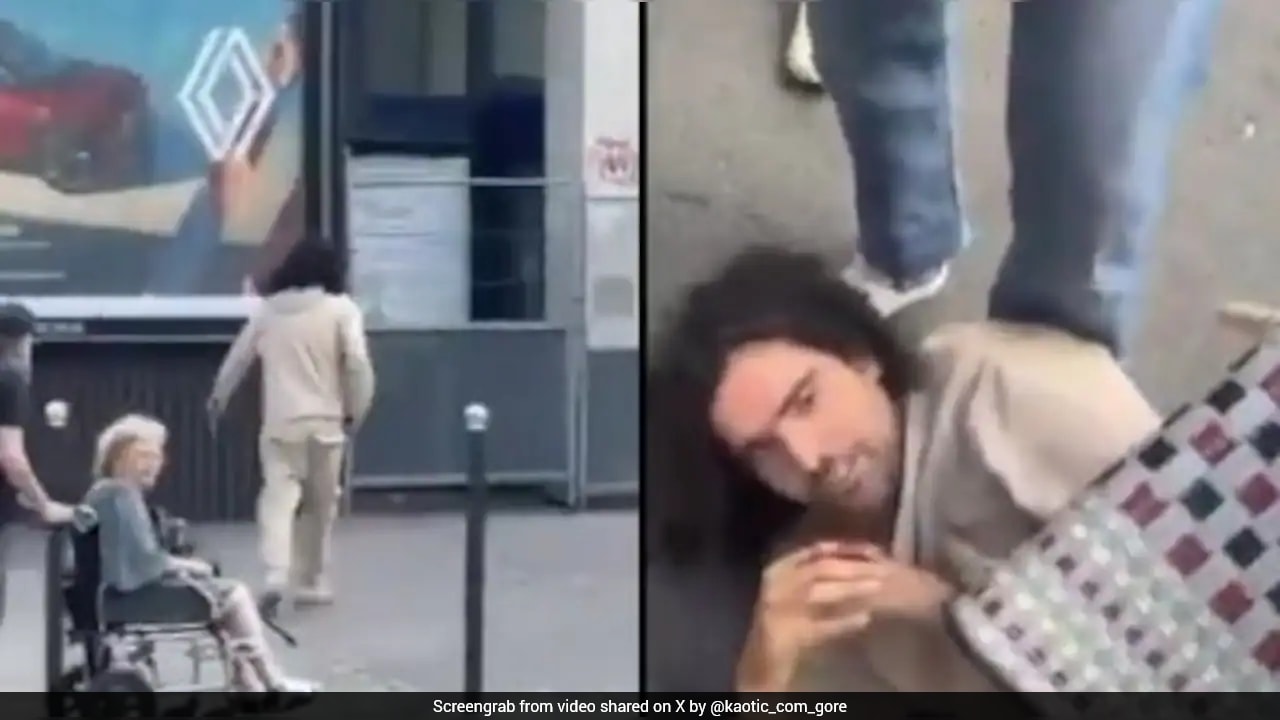
Every time a violent flash incident hits the media cycle, a predictable script unfurls. Headlines scream raw, unfiltered carnage. We get the weapon count, the body count, and the specific vulnerability of the victims—such as an expectant mother—designed purely to spike adrenaline and harvest clicks. The lazy consensus from mainstream reportage treats these horrific events as isolated freak occurrences or simple moral failures of a lone actor.
This approach is intellectually bankrupt. It offers a cheap rush of outrage while completely ignoring the structural vulnerabilities that make such attacks possible in the first place.
If we keep looking at violent street crime through the lens of a true crime podcast, we will keep getting the exact same body counts.
The Anatomy Of Sensationalist Reporting
Sensationalist news thrives on flattening complex socio-behavioral breakdowns into two-dimensional horror stories. When a headline highlights a man wielding two large knives attacking three individuals, the public conversation immediately narrows to two predictable extremes: calls for harsher prison sentences or generalized panic about public safety.
Both reactions miss the forest for the trees.
I have spent over a decade analyzing urban safety systems, threat assessment models, and emergency response infrastructure. I have watched municipal governments throw millions of dollars at reactive policing while ignoring the bleeding edges of mental health intervention and physical transit security.
Focusing solely on the weapon or the immediate savagery of the act treats the smoke while ignoring the fire. It is an emotional trap. The media wants you angry, terrified, and glued to your screen. They do not want you asking structural questions about why emergency intervention times in major metropolitan areas are expanding, or why urban design consistently creates choke points with zero escape routes.
Deconstructing Public Safety Myths
Let us address the common narrative that increased police presence alone acts as a universal shield against random knife attacks. Data from criminological studies consistently demonstrates that reactive policing is a lagging indicator. Cops arrive after the crisis begins. They clean up the aftermath.
Relying on a patrol car to stop a sudden, unprovoked edged-weapon assault is like wearing a raincoat after you have already drowned.
When an attacker moves through a crowd with contact weapons, seconds dictate survival. The average person freezes. This is not a moral failing; it is a hardwired neurological response known as the startle-response freeze. Yet, public safety campaigns rarely teach civilian situational awareness or tactical egress. Instead, authorities prefer citizens to remain docile, dependent, and fundamentally unprepared.
Consider the reality of knife violence compared to firearm statistics. Edged-weapon attacks require close proximity, meaning the window for environmental avoidance is often much larger than people realize—if they are actually paying attention to their surroundings instead of staring down at a glowing rectangle.
The Cost Of Complacency In Urban Design
Modern city planning treats human movement like cattle management. We funnel thousands of commuters through narrow turnstiles, underground corridors, and high-density transit hubs with a single point of entry and exit.
When a violent episode erupts in one of these architectural bottlenecks, escape becomes mathematically impossible for the average person. We build cities that prioritize aesthetic minimalism and throughput efficiency over basic human compartmentalization.
Imagine a scenario where municipal transit authorities implemented modular physical barriers, panic-activated zone lockdown gates, and decentralized security pods staffed by trained intervention specialists rather than distant patrol units.
The cost would be high, certainly. But what is the actual cost of treating human lives as acceptable collateral damage in poorly designed public transit systems?
Shifting From Outrage To Action
If you want to protect yourself and your community, you must stop consuming panic porn and start developing practical defense mentalities.
- Audit your environment: The moment you step into a public space, identify two exits. This is not paranoia; it is basic operational hygiene.
- Abandon the bystander illusion: Do not assume someone else is calling for help or managing the threat. If an anomaly occurs, your default setting must be immediate distance creation.
- Reject the media narrative: Every time a sensational headline drops, ask yourself what systemic failure the publication is trying to distract you from.
We live in a culture that monetizes our worst fears while depriving us of the tools required to master them. Stop reading the breathless updates about how many victims fell. Start demanding better architecture, smarter emergency response infrastructure, and a realistic approach to personal defense that acknowledges reality instead of hiding from it.
The danger is real. The response from the establishment is a joke.