The grocery store aisles used to smell like wet earth and morning sun.
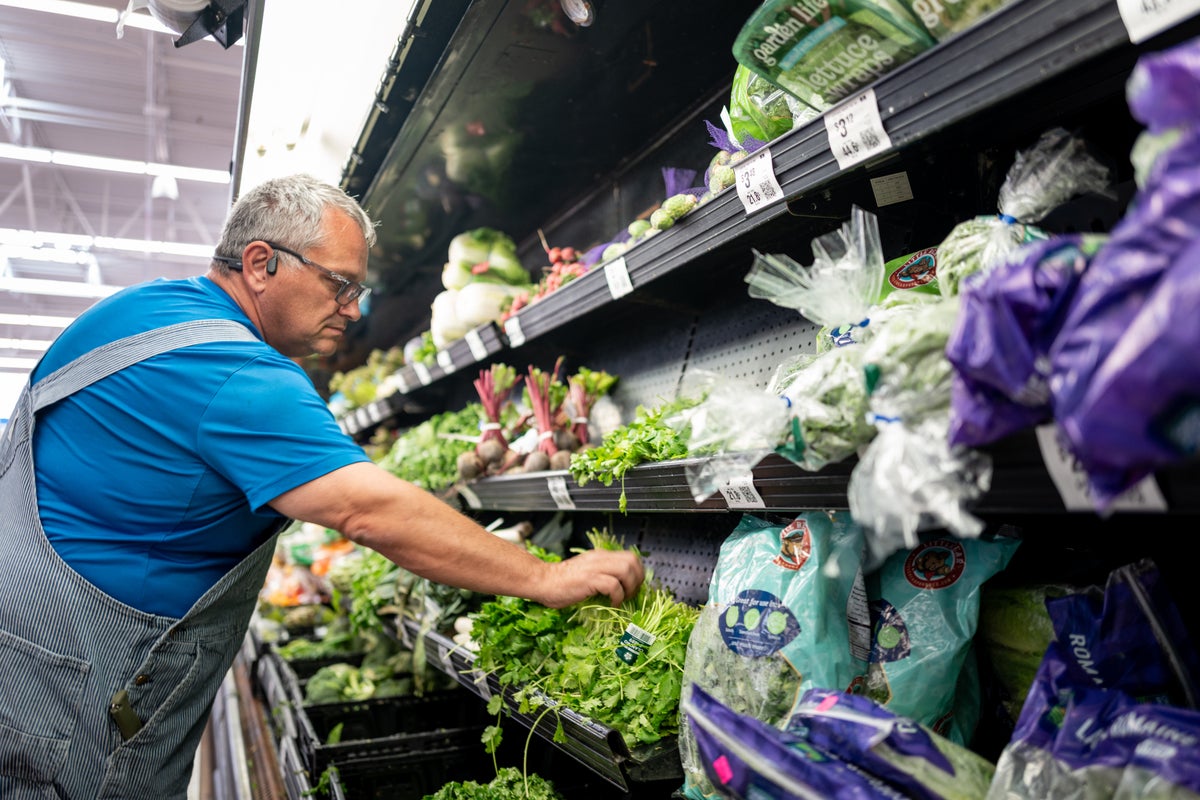
Stacked high against the fluorescent glare were pyramids of deep crimson tomatoes, crates of spinach whispering of iron and rain, and avocados waiting for the exact right hour of the afternoon. People walked these aisles with canvas bags, pressing thumbs gently into flesh, negotiating dinner in their heads. For a different view, read: this related article.
Then came the quiet shift.
It did not arrive with sirens or an emergency broadcast. It arrived in the whispered warnings on the evening news and the sharp headlines glowing on smartphone screens. A microscopic parasite, cyclospora, had hitchhiked its way into the supply chain. Invisible. Unforgiving. Related coverage on the subject has been shared by Medical News Today.
Panic has a distinct shape. In modern America, it looks like an empty produce section.
Statistics tell part of the story, cold and flat on a page. Recent surveys reveal that roughly forty percent of Americans are now actively walking past the fresh fruits and vegetables they once relied on, cutting them out of their daily diets entirely. They are leaving the crisp greens on the shelf. They are bypassing the berries.
Fear is an effective deterrent.
(Note: The forty percent figure reflects broad consumer response tracking data gathered during recent foodborne illness advisories.)
Consider Sarah, a hypothetical working mother of two in Ohio, stepping into her neighborhood supermarket after a twelve-hour shift. She pauses by the salad kits. Her mind flashes to a headline she half-read on her lunch break—outbreaks, contamination, illness. Her hand hovers over a bag of baby spinach for three agonizing seconds. Then, she drops her arm. She walks away. She buys a box of frozen macaroni and a sleeve of crackers instead.
She is not alone. Millions are making that exact calculation every single day.
The human cost of an outbreak is rarely measured just by the number of active infections. It is measured in the quiet retreat from nourishment. It is measured in the psychological toll of not knowing whether the food in your refrigerator is fuel or hazard.
Cyclospora cayetanensis is a single-celled parasite. It does not care about your grocery budget or your meal-prep schedule. Once ingested through contaminated food or water, it makes its home in the small intestine, bringing on weeks of exhausting gastrointestinal distress, fatigue, and weight loss. For a healthy adult, it is a miserable endurance test. For the elderly or immunocompromised, it is a genuine danger.
Public health officials issue advisories with clinical precision. Wash your produce. Cook it thoroughly. Check the source.
But precision loses its footing when panic takes the wheel.
When people hear that a fresh produce item might carry a risk, the instinct for self-preservation overrides nuance. Instead of learning how to navigate the risk, people eliminate the category. They retreat from fresh food. We trade a biological threat for a nutritional deficit, swapping vitamins, fiber, and immune-boosting antioxidants for the shelf-stable comfort of processed foods.
The paradox is cruel. In trying to protect our bodies from a parasite, we starve them of the very nutrients they need to stay resilient.
Walk through any suburban kitchen at six in the evening right now, and you can feel the tension. The cutting board sits dry. The chef's knife rests untouched in the block. There is a palpable hesitation in the air whenever someone reaches for a raw tomato or a sprig of cilantro.
We have lived through food scares before. E. coli in lettuce. Salmonella in melons. Listeria in stone fruits. Each time, our collective muscle memory tightens. We grow a little more cynical about the systems that bring food from a muddy field into our kitchens. We lose a fraction of our trust in the soil.
Yet, humans are remarkably adaptable creatures. We survived millennia without refrigeration or supply chain tracking by learning to look closely at our world.
The way forward is not a permanent retreat into processed preservation. The way forward is education and vigilance. Outbreaks peak, tracebacks pinpoint the source, and farms clean up their water systems. The cycle breaks.
Until then, the empty spot in the shopping cart remains a monument to our collective anxiety.
Next time you stand in the produce aisle, watch the hands of the shoppers around you. See the hesitation. Watch how many turn away. Then, remember that the earth still grows what we need, waiting for us to reclaim our confidence, one carefully washed leaf at a time.
The sun still hits the fields. The crops still grow. The only question left is whether we will find the courage to reach out our hands and take them back.