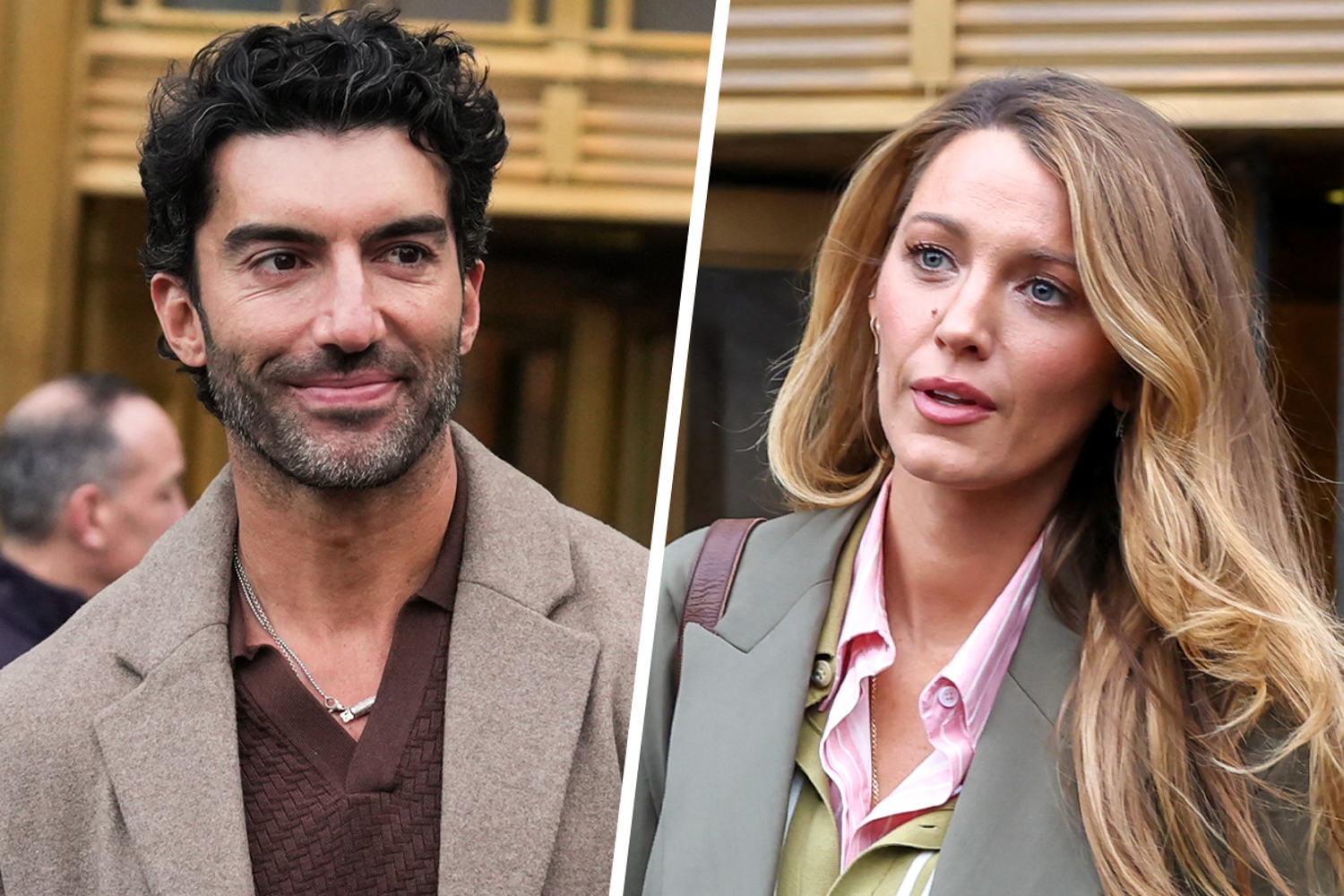
The legal and public relations resolution between Blake Lively and Justin Baldoni marks a turning point for how major studios handle internal friction in the social media era. This wasn't just a standard disagreement over creative direction. It was a high-stakes standoff that threatened a $350 million global box office run and the future of a budding franchise. The settlement came together through a combination of ironclad contract enforcement, aggressive back-channel mediation, and a mutual realization that prolonged public warfare would permanently devalue the "It Ends With Us" intellectual property. By aligning their financial interests and establishing clear boundaries for future involvement, both parties managed to walk away with their reputations—and their bank accounts—largely intact.
Behind the scenes of the creative fracture
To understand the settlement, you have to understand the power shift that occurred during production. Justin Baldoni wasn't just the star; he was the director and the man whose company, Wayfarer Studios, held the rights to the Colleen Hoover novel. Blake Lively, however, wasn't just the lead actress. She was a producer with massive social capital and the backing of her husband, Ryan Reynolds, who reportedly contributed dialogue and creative oversight.
This created a dual-power structure on set. When two different visions for a film collide, the result is usually handled in the editing room. In this case, the conflict leaked into the press, fueled by TikTok sleuths who noticed the cast’s refusal to pose together during the press tour. The settlement was born out of necessity when it became clear that the "He Said, She Said" narrative was overshadowing the film’s message about domestic violence.
The role of the final cut
The primary point of contention was the edit of the film. Lively reportedly commissioned a separate cut of the movie from editor Shane Reid, known for his work on Deadpool & Wolverine. This move was technically an infringement on a director’s traditional territory, but Lively’s producer credit gave her enough leverage to push for it.
The settlement addressed this by codifying exactly which version of the film would hit theaters. It wasn't a total win for either side. Instead, it was a hybrid. The final product seen by audiences was a compromise that blended Baldoni’s structural pacing with the tone and character focus Lively championed. This deal was struck behind closed doors weeks before the release, ensuring that neither party would sue for breach of contract or creative interference during the crucial opening weekend.
Money talks louder than egos
While fans were busy analyzing body language at premieres, the lawyers were busy looking at the "backend" points. Both Lively and Baldoni stand to make tens of millions of dollars from the film’s success. The settlement ensured that their personal grievances would not trigger any "morals clauses" in their contracts that could jeopardize their payouts.
In Hollywood, a hit covers a multitude of sins. As the box office numbers climbed, the incentive to stay quiet grew. The settlement reportedly included a non-disparagement agreement that is among the strictest seen in recent years. This is why, despite the intense scrutiny, neither Lively nor Baldoni has uttered a single negative word about the other in a recorded interview. They aren't just being professional; they are being legally compliant.
Protecting the Colleen Hoover brand
Colleen Hoover is a publishing juggernaut. Her involvement was a critical factor in the settlement. Sony Pictures and the various producers knew that if the author picked a side, it could alienate half the fan base. The settlement involved a coordinated effort to keep Hoover neutral.
By centering the conversation on the fans and the survivors of domestic abuse, the legal teams successfully pivoted the narrative. They moved the spotlight away from the friction on set and onto the "importance" of the story. This was a tactical masterstroke. It allowed the film to maintain its status as a cultural event rather than a tabloid scandal.
The precedent for future productions
This situation has changed the way studios draft producer contracts for A-list talent. We are seeing a move toward more explicit language regarding "creative collaboration" when a lead actor also holds a producer title. Studios want to avoid another scenario where a director and an actress are operating in two different orbits.
The settlement also highlights the diminishing power of the traditional director in the face of "star-producers." If you have the following and the family connections that Blake Lively has, the director's chair becomes a lot less stable. Baldoni’s decision to hire veteran PR crisis manager Melissa Nathan was a clear signal that he knew he was fighting an uphill battle against a massive PR machine.
The silent exit strategy
Part of the settlement involved a roadmap for the sequel, It Starts With Us. In a typical scenario, the director of a massive hit is a lock for the second installment. Here, the settlement likely includes a "graceful exit" clause. While nothing has been officially announced, the industry expectation is that Baldoni will remain a producer for the sequel due to his rights ownership but will not return to the director’s chair or act alongside Lively.
This allows the franchise to continue without the on-set tension that plagued the first film. It is a cold, business-first solution. It proves that in the modern entertainment industry, you don't have to like your colleagues to make money with them; you just have to have a better lawyer.
Managing the digital fallout
The most modern aspect of this settlement was its focus on digital sentiment. Most old-school settlements focus on print and television. This one had to account for TikTok and Instagram. The legal teams monitored social media trends in real-time, adjusting their public-facing strategies to mitigate the "cancel culture" threats aimed at Lively regarding her marketing of the film alongside her haircare line and gin brand.
The settlement dictated the timing of social media posts and the specific themes each star would emphasize. Lively focused on the "floral" and "feminine" aspects of the brand, while Baldoni focused on the "advocacy" and "awareness" side. This division of labor was not accidental. It was a negotiated split of the film’s persona, designed to appeal to every segment of the audience simultaneously.
The cost of peace
Peace in Hollywood is expensive. The legal fees associated with this settlement likely ran into the seven-figure range. However, compared to the potential loss of a billion-dollar franchise, it was a bargain. The settlement didn't just fix a movie; it protected a brand.
The real winners here are the studios and the lawyers. They managed to take a production that was on the verge of becoming a cautionary tale of "too many cooks" and turned it into the biggest romantic drama in years. They proved that the "talent" can be managed, even when that talent has its own production company and a massive social media following.
A new era of the star producer
The "It Ends With Us" settlement is the blueprint for the new Hollywood power dynamic. The era of the director being the sole captain of the ship is fading. In its place is a collaborative—and often litigious—system where the stars hold the ultimate veto power.
If a star can bring an audience, they can bring their own editor, their own script doctors, and their own vision. The director’s job is increasingly becoming that of a manager rather than a creator. The settlement wasn't a truce; it was a surrender of the old way of making movies to the new reality of star-driven commerce.
The industry will be watching the development of the sequel closely. The legal framework is already in place. The money is already allocated. The only thing missing is the pretense that everyone got along. In the end, the settlement proved that in Hollywood, the only thing more powerful than a good story is a well-drafted exit clause.
The film's success demonstrates that audiences don't necessarily care about behind-the-scenes drama if the final product hits the right emotional notes. This realization will likely embolden other A-list stars to demand similar levels of creative control. Studios will be forced to choose between the traditional hierarchy and the raw power of celebrity influence. Most will choose the money. They always do.