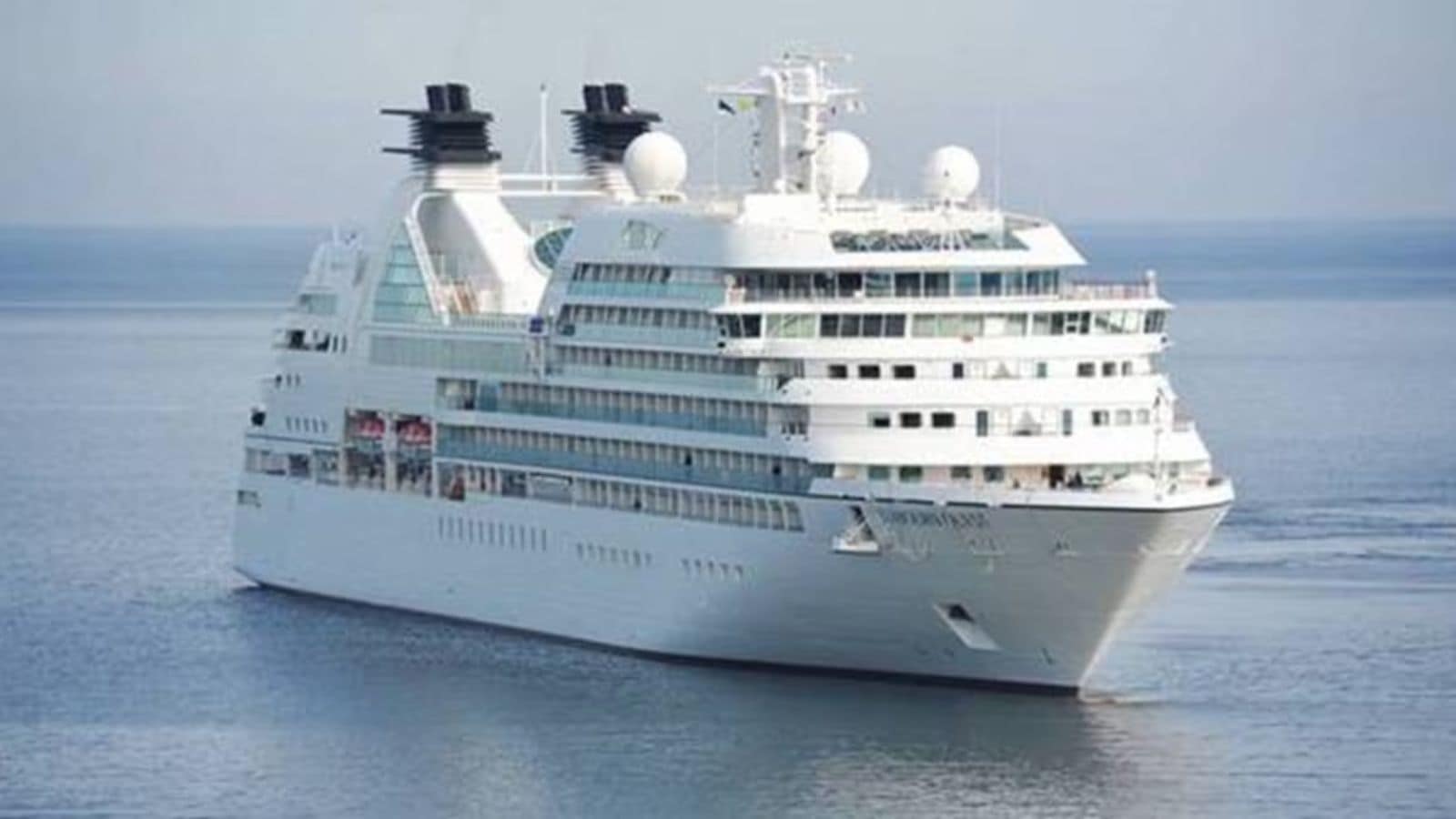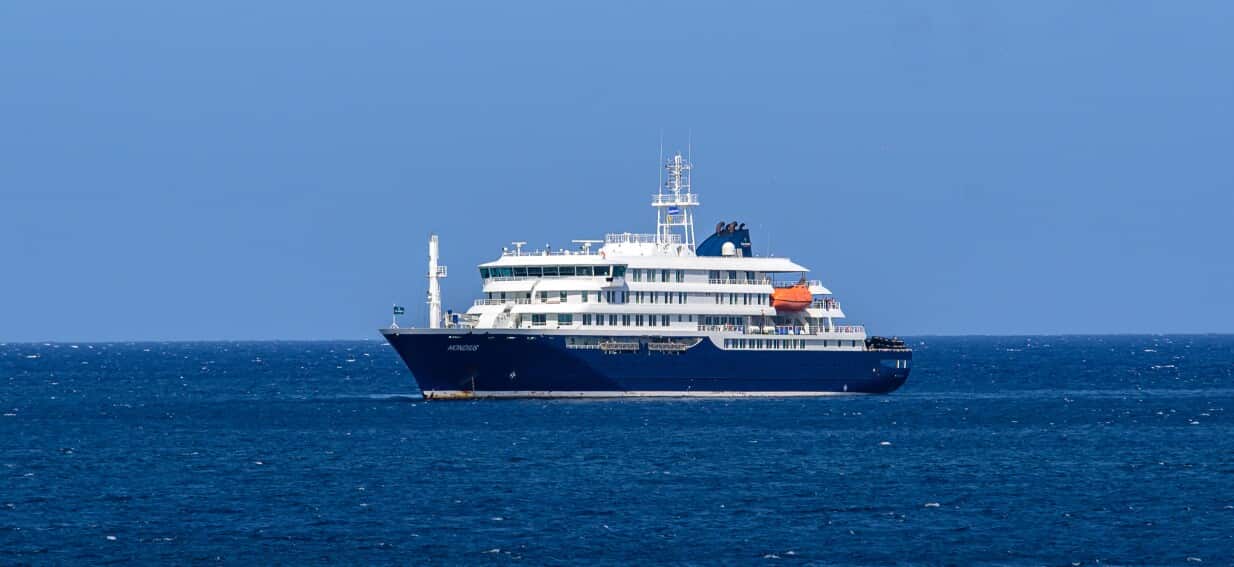
Pathogen transmission within the isolated micro-ecosystems of cruise ships represents a unique challenge to global health security. While enteric viruses like Norovirus dominate the public consciousness regarding maritime outbreaks, the emergence of Hantavirus in these settings signals a shift toward higher-lethality risks. Understanding the mechanism of Hantavirus requires a departure from traditional "person-to-person" contagion models. Instead, it demands an analysis of environmental vectors, rodent ecology, and the specific failure points of HVAC and waste management systems in high-density vessel architecture.
The Mechanistic Path of Viral Transmission
Hantaviruses are a family of viruses spread mainly by rodents. Unlike the common cold or influenza, these pathogens are typically not transmitted through human-to-human contact. The primary vector is the inhalation of aerosolized viral particles.
The transmission cycle operates through a three-stage escalation:
- Reservoir Shedding: Infected rodents—specifically deer mice, white-footed mice, or cotton rats—shed the virus through saliva, urine, and feces.
- Aerosolization: As the rodent waste dries, physical disturbances (such as cleaning, air circulation, or movement in confined spaces) launch the viral particles into the air.
- Inhalation: Human subjects inhale these microscopic particles, where the virus bypasses upper respiratory defenses and targets the pulmonary endothelium.
In the context of a cruise ship, the "reservoir shedding" phase often occurs in non-public areas: dry storage, engine rooms, or interstitial spaces between decks. The ship’s HVAC system then acts as a force multiplier, distributing aerosolized particles from a localized infestation into passenger cabins.
Clinical Architecture of Hantavirus Pulmonary Syndrome
Hantavirus Pulmonary Syndrome (HPS) is the specific clinical manifestation most associated with New World hantaviruses. Its progression is characterized by a deceptive prodromal phase followed by rapid, life-threatening respiratory failure.
The Prodromal Phase (Days 1–5)
Patients present with non-specific febrile symptoms. This includes fever, myalgia (specifically in the large muscle groups of the thighs, hips, and back), and fatigue. Because these symptoms mirror common viral illnesses, early diagnosis in a cruise setting is frequently missed, leading to delayed triage.
The Cardiopulmonary Phase (Days 4–10)
The virus attacks the capillaries in the lungs. Fluid begins to leak from the bloodstream into the air sacs (alveoli). This is not an inflammatory response like pneumonia; it is a mechanical failure of the vascular barrier. The resulting "pulmonary edema" leads to:
- Hypoxia: A severe drop in blood oxygen levels.
- Hypotension: Reduced blood pressure as fluid leaves the circulatory system.
- Cardiac Failure: The heart cannot pump against the increased pressure and decreased oxygenation, often leading to shock.
The fatality rate for HPS remains approximately 38%. This high mortality is driven by the speed of the cardiopulmonary phase; once respiratory distress begins, intubation and intensive care are often required within hours.
Environmental Risk Factors in Maritime Logistics
A cruise ship is a closed-loop system. The presence of Hantavirus suggests a failure in the vessel's "Integrated Pest Management" (IPM) protocols. Analyzing how a rodent vector enters such a controlled environment reveals three primary vulnerabilities.
Port-to-Vessel Transfer
Rodents are opportunistic hitchhikers. Supply chains for food and linens are the most likely entry points. When pallets are loaded in ports located in endemic regions, rodents or their waste can be introduced directly into the ship’s primary storage zones.
Structural Voids and Mechanical Pathways
Modern cruise ships are designed with miles of cabling, piping, and ventilation ducting. These voids provide "superhighways" for rodents, allowing them to move between decks without entering public corridors. These spaces also accumulate dust, which serves as the medium for viral aerosolization.
Waste Stream Management
Ships generate massive quantities of organic waste. If the processing and storage of this waste are not hermetically sealed, it creates an irresistible attractant for pests. A breakdown in the sterilization of waste disposal areas provides the necessary caloric density to support a breeding population of rodents on board.
Diagnostic Bottlenecks and Triage Realities
The difficulty in managing a Hantavirus outbreak on a vessel lies in the diagnostic window. There is no rapid "point-of-care" test for Hantavirus that can be administered in a standard shipboard infirmary.
Standard diagnostic protocols require:
- Serologic Testing: Identifying IgM antibodies or a four-fold increase in IgG titers.
- PCR (Polymerase Chain Reaction): Detecting the viral RNA in blood or tissue.
- Immunohistochemistry: Identifying viral antigens in the tissues.
These tests require specialized laboratory equipment. On a cruise ship, this necessitates a medical evacuation (MEDEVAC) or waiting until the ship reaches a port with tertiary care facilities. This time lag is often the difference between survival and mortality in the cardiopulmonary phase.
The Cost of Misidentification
Mistaking Hantavirus for a more common illness, such as Legionnaires' disease or COVID-19, leads to incorrect therapeutic interventions. For example, while bacterial pneumonia responds to antibiotics, Hantavirus does not. Furthermore, the fluid management required for HPS is exceptionally delicate. While a physician might typically provide IV fluids to a patient in shock, in HPS patients, aggressive fluid resuscitation can actually accelerate pulmonary edema, essentially drowning the patient from the inside.
Structural Mitigation Strategy
To eliminate the risk of Hantavirus, maritime operators must move beyond reactive cleaning and adopt a "Hardened Vessel" framework.
- HEPA-Filtered Recirculation: Upgrading HVAC systems to include HEPA-grade filtration can capture aerosolized particles before they reach passenger quarters.
- Acoustic Rodent Deterrents: Utilizing high-frequency sound barriers in storage and engine compartments to prevent nesting in critical infrastructure.
- Thermal Scanning of Supplies: Using infrared technology during the loading process to detect the heat signatures of pests within bulk cargo and pallets.
- Differential Diagnosis Training: Shipboard medical staff must be trained to recognize the "muscle group specificity" of Hantavirus myalgia, which serves as a clinical differentiator from common influenza.
The primary strategy for any vessel currently facing a suspected outbreak is the immediate isolation of the ventilation zones associated with the cases. Traditional surface disinfection, while useful for other pathogens, is insufficient here. The focus must be on the stabilization of pulmonary function via early mechanical ventilation and the strict avoidance of fluid over-resuscitation.
The immediate tactical priority for maritime health authorities is the implementation of mandatory rodent-density reporting for all supply chain providers. If a port facility shows an uptick in deer mice populations, all cargo originating from that node must undergo mandatory CO2 fumigation prior to boarding. This shifts the defense from the ship's infirmary to the pier, neutralizing the threat before it enters the confined environment.