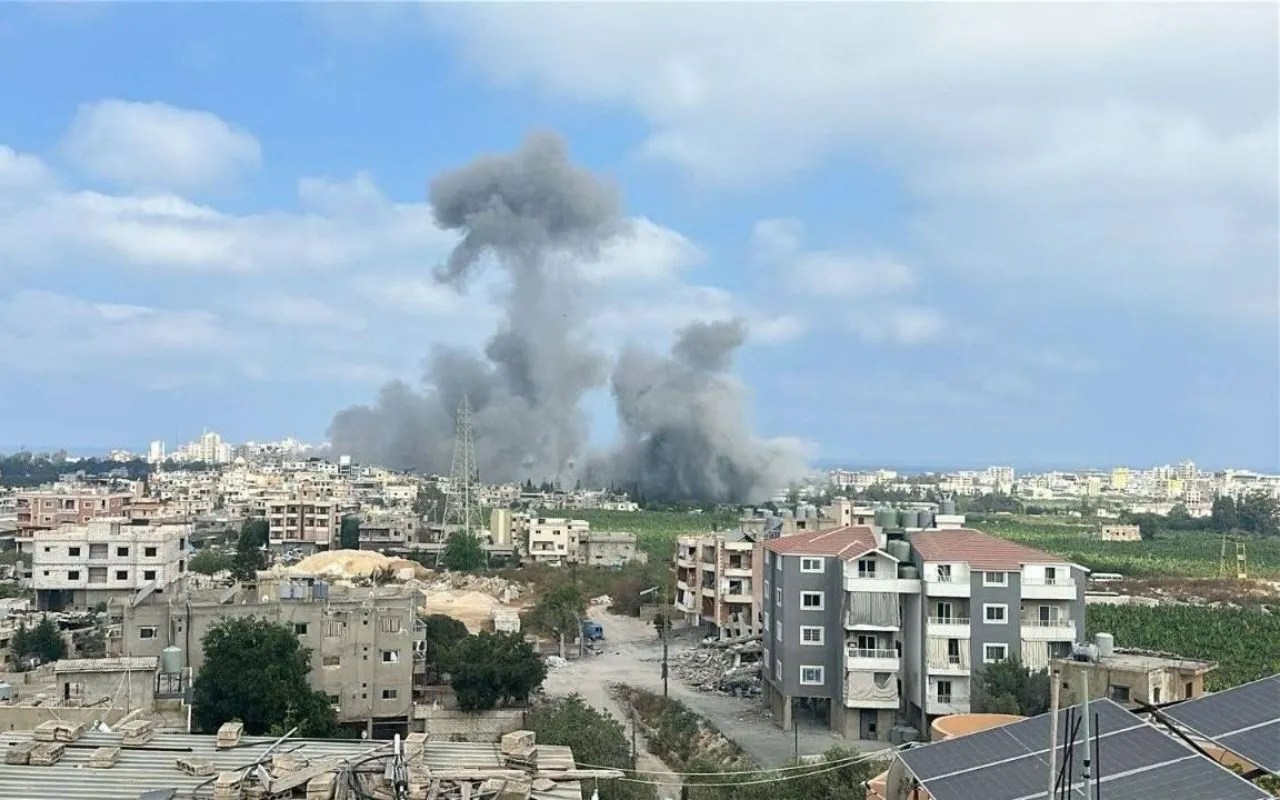
The Reality of Precision Warfare Along the Border
A targeted drone strike hit a civilian vehicle in southern Lebanon, resulting in the deaths of four occupants. The incident adds to the rising casualties in the border region as aerial operations increasingly focus on moving targets. While military statements frequently characterize these operations as precise surgical strikes aimed at degrading specific networks, the immediate impact on the ground reflects a broader, more volatile security crisis affecting civilian infrastructure and transit corridors.
The strategy relies heavily on unmanned aerial vehicles to monitor and execute strikes with minimal delay. This approach aims to neutralize perceived threats before they can reposition. However, the frequency of these engagements along shared transit routes raises critical questions about the intelligence frameworks used to verify targets in fast-moving environments.
The Mechanics of Remote Intelligence Gathering
Modern drone operations depend on a complex layer of signals intelligence, imagery, and local surveillance networks. Operators miles away monitor video feeds, tracking vehicles that match specific behavioral profiles or intelligence briefs.
The process moves quickly. A vehicle is spotted leaving a suspected location, its license plate or make is logged, and the order to engage is passed down the chain of command. This reliance on remote data creates a distinct vulnerability. Aerial cameras, even those with high-resolution thermal imaging, cannot see inside a closed vehicle with absolute certainty. They track the asset, not necessarily the identity of every individual sitting within the frame.
When a strike occurs on a public highway, the margin for error shrinks to zero. Secondary explosions, shrapnel, and the immediate destruction of the vehicle make independent verification difficult in the immediate aftermath. Local emergency responders are left to clear the wreckage, while official channels debate the status of those killed. This gap between real-time execution and factual verification remains a significant point of contention in modern aerial warfare.
Escalation Dynamics Beyond the Immediate Target
Each localized strike sends ripples through the wider regional security ecosystem. The use of targeted drone strikes is intended to act as a deterrent, signaling that no vehicle or location is beyond reach. In practice, the outcome often differs from the strategic intent.
Rather than suppressing activity, these operations frequently trigger retaliatory rocket fire and artillery exchanges, expanding the geographic scope of the conflict. The economic impact on southern Lebanese communities is immediate. Routes connecting agricultural hubs to major cities become high-risk zones, disrupting trade and forcing the displacement of residents who can no longer rely on basic freedom of movement.
The legal arguments surrounding these actions are equally fraught. Proponents of targeted operations argue they prevent larger, more destructive conventional engagements by removing key actors from the field. Critics point to the sustained civilian toll and the difficulty of validating preemptive self-defense claims under international humanitarian law. The lack of transparent, independent oversight means the true efficacy of these strikes remains shielded from public scrutiny.
The Long Term Attrition of Border Security
Focusing purely on the immediate tactical success of a drone strike overlooks the cumulative effect on border stability. Air superiority allows for constant surveillance, but it cannot enforce a permanent diplomatic settlement.
Instead, the continuous cycle of surveillance, engagement, and retaliation creates a predictable pattern of attrition. As both sides adapt to the technological realities of drone warfare, the methods of concealment and dispersion become more sophisticated. Vehicles are switched frequently, commercial transport is used to mask movements, and communication protocols are pushed entirely offline.
This adaptation ensures that the intelligence required to execute precise strikes becomes harder to acquire, increasing the risk of mistaken identity and further civilian casualties in future operations. The reliance on remote execution reduces the immediate political cost of military engagement for the attacking party, making the transition back to diplomatic negotiations less urgent. The conflict becomes managed through periodic violence rather than resolved through political frameworks.
The destruction of a vehicle on a Lebanese road is not an isolated security event. It is part of a deliberate, data-driven campaign that tests the boundaries of international law and technological capability, leaving the population of the border region to navigate a landscape where safety is entirely conditional on factors beyond their control.