Summer used to mean lazy afternoons and beach trips. Now it means watching the horizon turn a bruised, apocalyptic orange. When I watched the smoke plumes rise over Belgium during their largest recorded wildfire in recent history, it felt less like a distant news headline and more like a warning shot.
Wildfires aren't just a regional problem anymore. They're a continent-wide crisis that's rewriting the rules of European geography.
If you think this is just about some charred trees in a Belgian nature reserve, you're missing the entire plot.
The Reality of Belgium Breaking Records
Belgium isn't California or southern Greece. It's a country known for drizzle, temperate weather, and flat, heavily managed green spaces. Fires of this scale simply weren't supposed to happen there. Yet, an unprecedented blaze tore through the Kalmthoutse Heide and surrounding border regions, devouring hundreds of hectares of precious heathland and pine forests.
Local emergency services found themselves stretched to a breaking point. They weren't equipped for crown fires that leap across firebreaks driven by erratic winds.
And then came the rain.
That sigh of relief you heard across Brussels wasn't just from exhausted firefighters. It was the realization that nature had to step in because human intervention alone wasn't enough. Rain bought them time, but relying on a sudden downpour to save your national infrastructure is a terrible long-term strategy.
Europe is Turning Into a Tinderbox
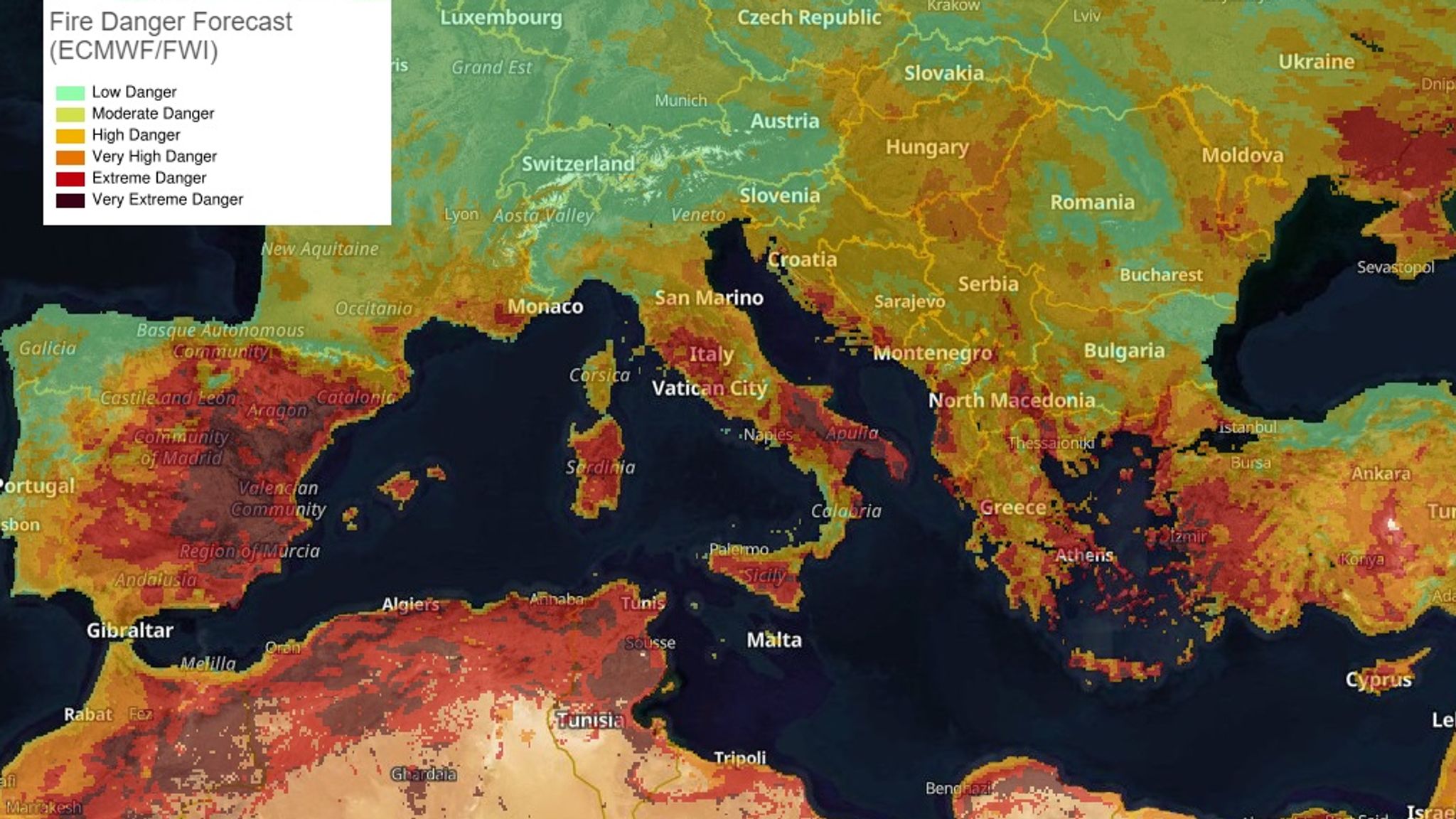
Look across the continent. Greece, Spain, Portugal, and Italy burn with terrifying regularity every single year. But now France, Germany, and even the UK are seeing bone-dry soils and extreme heatwaves turn ordinary brush into kindling.
The European Forest Fire Information System has been flashing red for seasons. We are watching decades of forest management practices fail in real time. For years, authorities suppressed small, natural fires. That policy creates massive fuel loads on the forest floor. When a spark finally hits, it doesn't just burn—it explodes.
You cannot out-muscle a mega-fire with traditional garden hoses and standard truck deployment.
The Human Cost Behind the Smoke Line
Statistics on charred hectares miss the point. Ask the families evacuated from rural pockets near the Belgian border what they felt. It's panic. It's the sudden realization that your home insurance might not cover climate-driven disasters. It's choking on particulate matter miles away from the actual flames.
Public health experts rarely talk enough about the air quality fallout. When peatlands and pine forests burn, they release toxic cocktails of carbon monoxide, fine particulate matter, and heavy metals stored in the soil for decades. People with asthma don't stand a chance when the wind shifts.
What Actually Needs to Happen Right Now
We need to stop treating these fires as anomalies. They're the new baseline.
- Rethink forestry: Stop planting monoculture pine forests that burn like matchsticks. Return to mixed-species woodlands that hold moisture and resist rapid ignition.
- Upgrade cross-border response: No single European nation has enough aerial firefighting assets. The EU's RescEU fleet is a good start, but it needs to triple in size immediately.
- Revamp local zoning laws: Stop building sprawling housing developments right up against volatile woodland boundaries without proper defensible space.
The rain saved Belgium this time. It won't be there to bail us out next time. Prepare accordingly.