Standing on top of the world doesn't mean you conquered it. It just means you made it halfway.
The tragic deaths of Indian mountaineers Arun Kumar Tiwari and Sandeep Are during their descent from Mount Everest drive home a brutal truth that commercial mountaineering continually tries to gloss over. Reaching the 8,848.86-meter peak is optional. Getting back down is mandatory.
We see the same story play out year after year. The weather clears, a massive bottleneck forms in the death zone, and climbers push past their breaking points to touch the summit, ignoring every warning signal their bodies send. It's a psychological trap known as summit fever, and it proved fatal once again on the world's highest peak.
The Fatal Cost of a Record Breaking Day
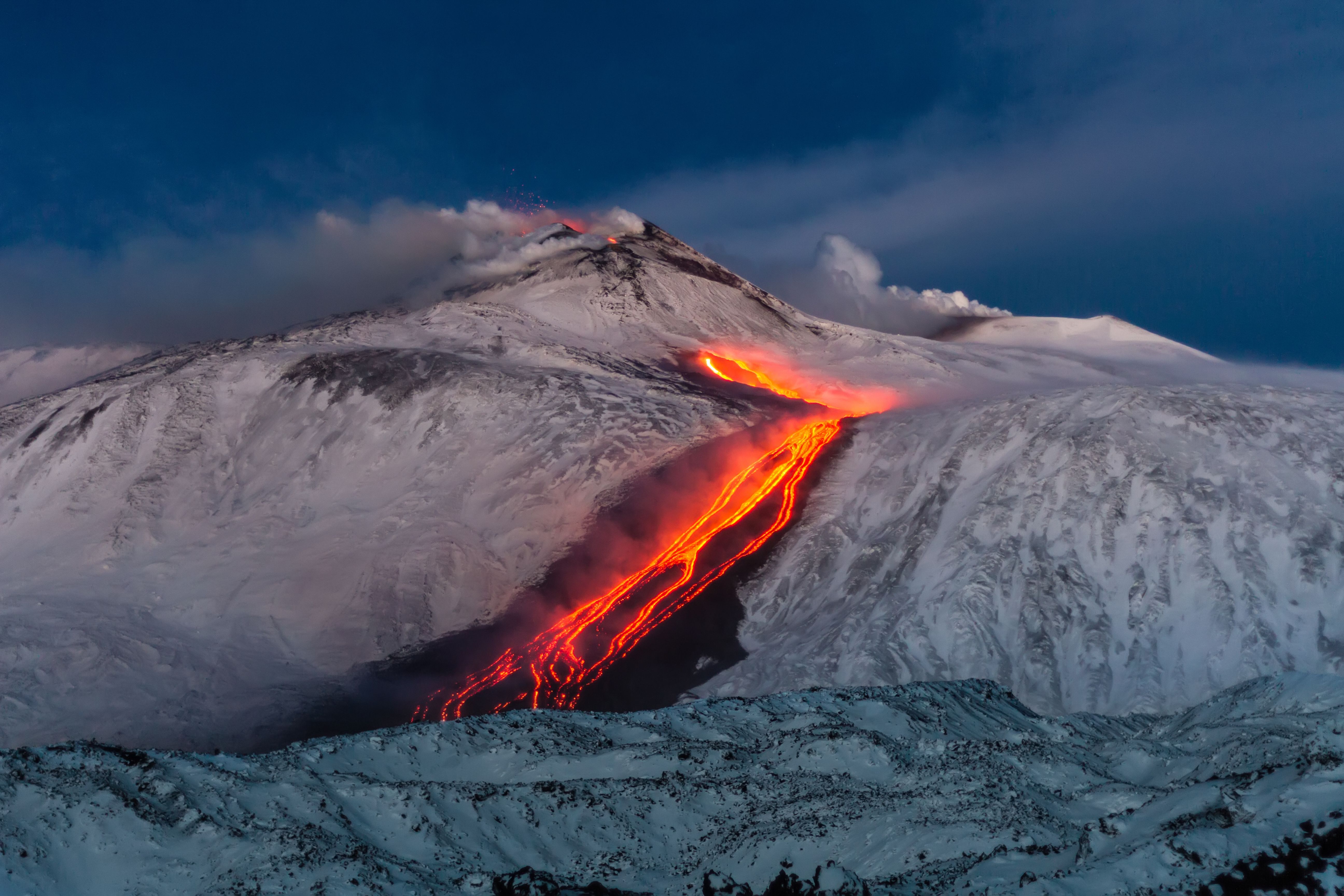
The spring 2026 climbing season is shattering records, but it's also exposing the terrifying vulnerability of overcrowded high-altitude routes. On May 20, 2026, a staggering 274 climbers stood atop Everest from the Nepal side alone. It was one of the highest numbers of single-day ascents in mountaineering history, causing lines of people to stretch five kilometers between Camp 2 and Camp 4.
While the crowds celebrated, the bottleneck was quietly creating a disaster.
Sandeep Are, a 46-year-old climber from India, was part of that massive May 20 wave. He achieved his lifelong dream and reached the summit. But during his descent along the summit ridge, things went south fast. Are developed severe snow blindness, a painful condition caused by intense UV rays burning the corneas. Blind, disoriented, and exhausted, he couldn't move on his own.
An SOS call brought five Sherpa guides to the South Summit. They launched a massive, grueling rescue operation, literally carrying Are down the mountain for 48 hours. They managed to get him all the way down to Camp 2, but the physical toll was too great. Are passed away shortly after arrival.
The next day, May 21, Arun Kumar Tiwari met a similar fate. He reached the summit late in the afternoon, around 5:30 p.m. At that altitude, that's dangerously late. During his descent, Tiwari collapsed near the Hillary Step, a notoriously steep and technical rock face located squarely in the death zone above 8,000 meters.
Four Sherpas desperately tried to assist him, but Tiwari was suffering from suspected High Altitude Pulmonary Edema (HAPE), a condition where the lungs fill with fluid due to extreme low pressure. He couldn't be saved.
The Anatomy of the Descent Trap
Why do so many elite and amateur climbers die after they've already succeeded?
Statistically, over 80% of accidents on Everest happen during the descent. The reasons are painfully simple, yet climbers ignore them in the heat of the moment.
- Adrenaline Depletion: The summit is the emotional finish line. Once you hit it, the psychological drive that kept you moving forward vanishes. Your brain relaxes, and sudden, overwhelming fatigue sets in.
- Hypoxia and Poor Judgment: In the death zone, your brain operates on a fraction of the oxygen it needs. Your ability to assess risk evaporates. You don't realize how tired you actually are until you stop moving.
- The Logjam Effect: When hundreds of climbers clog a single fixed rope line, you can't move at your own pace. You spend hours standing still in sub-zero temperatures, burning through your supplemental oxygen supply while doing absolutely nothing.
Veteran climber Kami Rita Sherpa, who scaled Everest for a record 32nd time, didn't mince words upon returning to Kathmandu. He noted that the mountain felt incredibly crowded and called on the Nepalese government to regulate the influx. "They should let in only climbers of quality," he warned. "There should be a limit."
The Myth of the Sherpa Safety Net
There's a dangerous misconception among commercial clients that paying a premium fee guarantees a rescue if things go wrong. Look at what happened with Tiwari and Are. Pioneer Adventures deployed nine Sherpas in total to save these two men. These guides risked their own lives, working for days straight in the most hostile environment on earth.
But Sherpas aren't immortal. They can't breathe for you, and they can't force fluid out of your lungs when HAPE sets in.
When you look at drone footage of a five-kilometer line of climbers shuffling toward the Hillary Step, you realize that true rescue is an illusion. If you collapse in a bottleneck, a helicopter can't get to you. Your guides can only do so much if you've completely emptied your physical reserve tank on the way up.
Realities of Modern Commercial Climbing
Nepal issued 495 climbing permits for Everest this spring season. When you add the mandatory Sherpa guides to that number, you have roughly a thousand people trying to squeeze through a tiny weather window.
If you're planning to tackle a high-altitude peak, you have to change your metric of success. The summit isn't the goal; the safety of the parking lot or the base camp is.
You need to set a strict turnaround time and stick to it, no matter how close the peak looks. If you haven't reached the top by 1:00 p.m., you turn around. Period. Tiwari summited at 5:30 p.m., a time when most experienced guides want their clients tucked into their sleeping bags at Camp 4.
Listen to your body, ignore the social media glory, and remember that the mountain doesn't care about your bucket list.