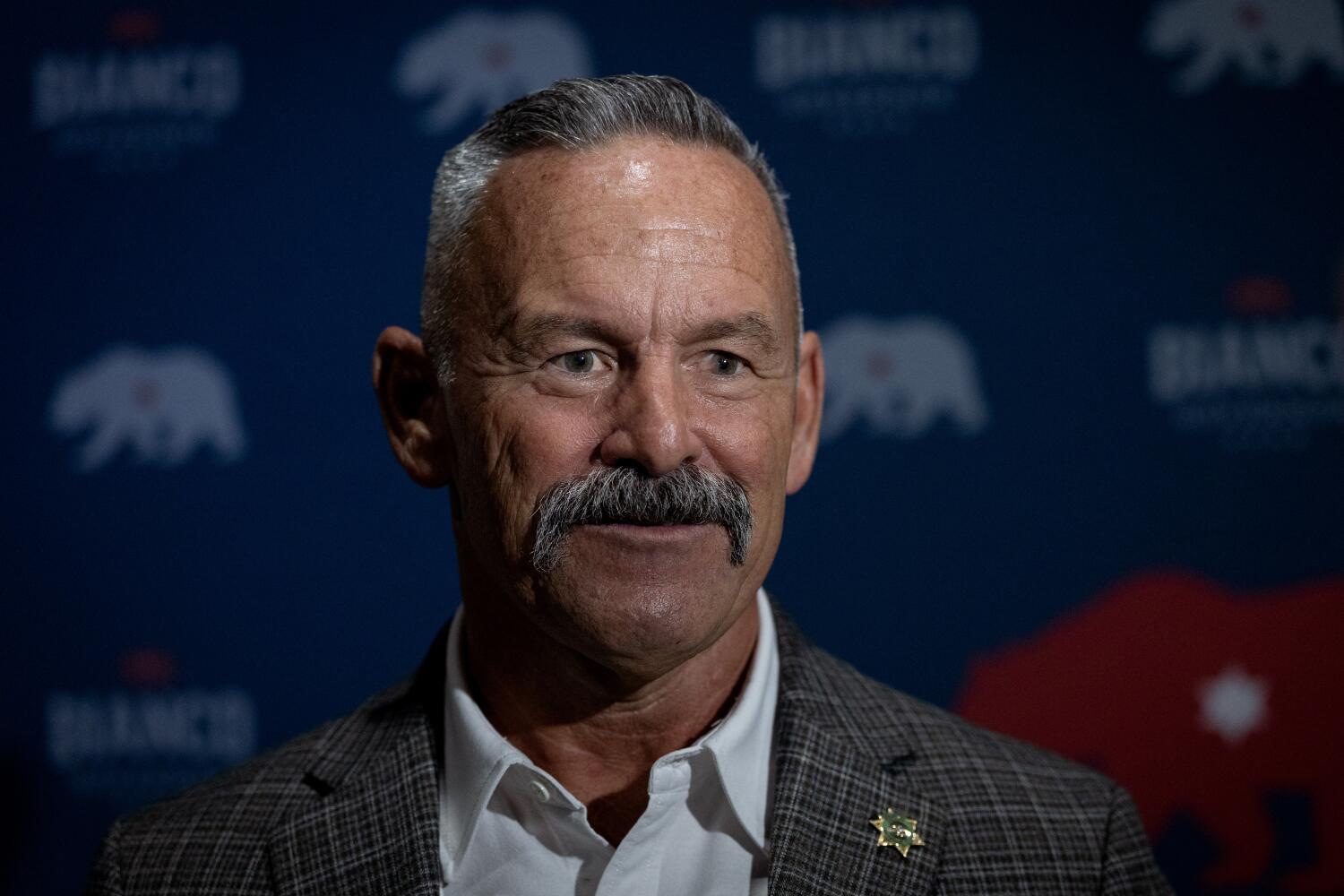
The media wants you to believe this is a straightforward constitutional crisis. Watch the legal commentators hyperventilate over Riverside County Sheriff Chad Bianco walking off with 650,000 ballots, and you will hear the exact same lazy consensus: local law enforcement has overstepped, rogue police powers are colliding with democratic norms, and the state attorney general is the lone savior of the ballot box.
They are missing the entire point.
The real story is not about a sheriff gone wild or a partisan stunt for gubernatorial ambition. It is about a catastrophic structural collision between two absolute legal doctrines in California: standard criminal search-warrant authority under the Penal Code and the absolute statutory isolation of election materials.
By focusing entirely on the political theater at the California Supreme Court, mainstream analysts are completely ignoring the mechanical nightmare beneath the surface.
The Flawed Premise of Absolute Custody
Let us look at what the statute actually says. California Election Code states that "in no event shall the ballots be taken from the custody of the elections official". Sounds airtight, right? That is the phrase the justices and voting rights lawyers are clinging to like a life raft.
Except it creates an impossible legal paradox.
Imagine a scenario where a corrupt local registrar systematically alters vote totals in a back room, destroying audit trails while hiding behind the shield of election code immunity. Under the strict interpretation favored by Attorney General Rob Bonta, local police and county sheriffs would be legally powerless to execute a search warrant, even with probable cause of an ongoing felony.
That is not a safeguard for democracy. That is a black hole of accountability.
The lazy consensus assumes that election officials operate in a realm of pure administrative grace where criminal law simply pauses its jurisdiction. But criminal procedure does not stop at the doors of a county registrar's office just because there are paper slips inside boxes.
The Attorney General Overreach Everyone is Ignoring
While the media fixates on Sheriff Bianco’s aggressive legal theories, they are giving the state Department of Justice a complete pass on an equally dangerous power grab.
Bonta’s argument relies on the idea that the attorney general holds "direct supervision" over county sheriffs. During oral arguments, even the Supreme Court justices seemed spooked by the logical endpoint of that theory. If the state's top prosecutor can unilaterally command an elected county sheriff to drop a criminal investigation simply because the attorney general deems it contrary to public policy, local law enforcement ceases to be an independent check on government corruption.
Think about what that means in practice. A statewide official could theoretically halt local investigations into political allies simply by asserting supervisory dominance. That trades local accountability for centralized fiat.
The court is right to be skeptical of Bianco’s expansive warrant arguments, but justices are waltzing straight into an authoritarian trap if they grant the attorney general unchecked veto power over local criminal probes.
The Uncomfortable Truth About Chain of Custody
Let us look at the operational reality. Bianco’s defenders argue that obtaining a judge-signed search warrant insulates the seizure from administrative election rules. Critics counter that letting deputies pore over ballot envelopes is like "building an airplane while flying it".
Both sides are missing the mechanical friction.
Registrars are administrative clerks, not forensic auditors. When a credible discrepancy emerges between electronic machine counts and state intake data—regardless of whether that gap is thousands of votes or a handful—our current system provides zero functional pathways for law enforcement to verify integrity without breaking custodial rules.
You cannot investigate a crime scene if the law says nobody is allowed to touch the evidence except the people who might have compromised it.
The real fix is not letting sheriffs seize half a million ballots on a whim, nor is it giving the attorney general a magic wand to squash local investigations.
Stop treating election administration as a sacred zone immune to criminal oversight. Build clear, statutory protocols where independent forensic auditors can execute warrants under judicial seal without compromising the actual vote count. Until we reconcile the friction between criminal procedure and election law, every election will remain one disputed warehouse away from a constitutional trainwreck.


