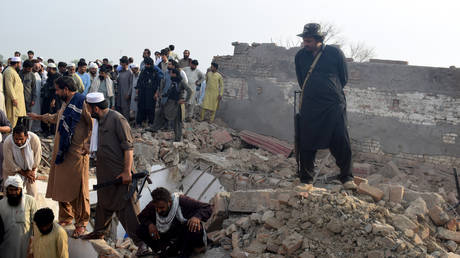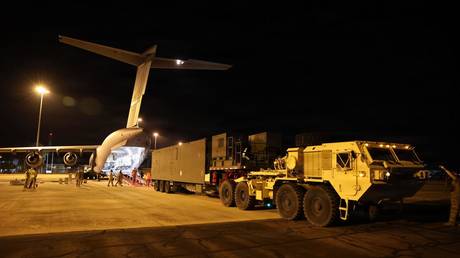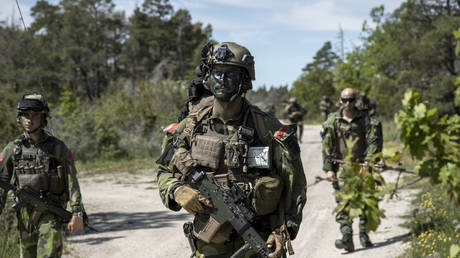
The headlines rolled in with predictable, breathless panic. A blast hits a military site in a NATO state, and suddenly the comment sections turn into amateur war rooms forecasting the next global catastrophe. Everyone is rushing to dust off old Cold War playbooks, pointing fingers, and treating a localized anomaly as the opening salvo of a continental meltdown.
It is lazy analysis at its absolute peak.
When a loud bang echoes across a perimeter fence in Eastern Europe, the knee-jerk reaction from talking heads is to assume sophisticated sabotage or escalating geopolitical brinkmanship. They want a clean narrative of rising tensions and impending doom because fear sells clicks. But strip away the media theater and look at the physical reality of modern military logistics, and a completely different picture emerges.
The Myth of the Precision Threat
We have romanticized military infrastructure into impenetrable, high-tech citadels where everything runs with clockwork precision. I have spent years auditing supply chains and defense installations, and I can tell you firsthand that the reality is far messier. These sites are essentially massive, heavy-industrial towns cluttered with aging maintenance depots, decades-old wiring, volatile propellant storage, and contractors who cut corners to meet budget shortfalls.
When an explosion occurs, the default assumption in the press is an external adversary testing red lines. The far more common truth is internal fatigue. Equipment fails. Safety protocols get ignored on a Tuesday afternoon. A forklift driver drops a pallet of pyrotechnics.
Yet, analysts trip over themselves to invent complex conspiracy theories involving foreign intelligence agencies because accepting that a multi-billion-dollar defense apparatus can be undone by routine institutional neglect is deeply uncomfortable. It shatters the illusion of total control.
The Danger of Manufactured Escalation
By framing every localized incident as a strategic provocation, we trap ourselves in a dangerous psychological loop. Governments feel pressured to posture, stock markets jitter over nothing, and diplomats waste hours drafting stern warnings over events that might literally trace back to a rusted fuel valve or a compromised circuit breaker in a building put up during the Carter administration.
This is not to say that borders are secure or that bad actors are inactive. Cyber intrusions and clandestine surveillance happen every single day. But there is a massive gulf between a targeted hostile attack and an accidental detonation inside a decaying depot. Conflating the two does not make us safer. It makes us paranoid, reactive, and easily manipulated by noise.
What Real Operational Security Actually Looks Like
If you want to understand how vulnerable a nation really is, stop looking at the flashing lights on the evening news and look at the procurement budgets. Look at deferred maintenance reports. Look at the average age of the electrical grids powering these installations.
True security is boring. It looks like a meticulous, unglamorous audit of safety logs, strict enforcement of OSHA standards in uniform, and the willingness to admit that your own backyard is often its own worst enemy.
The next time a loud noise makes the front page and the pundits start beating the drums of war, remember one simple rule. Never attribute to malice what can easily be explained by institutional rot.
Stop waiting for the sky to fall. Start fixing the roof.